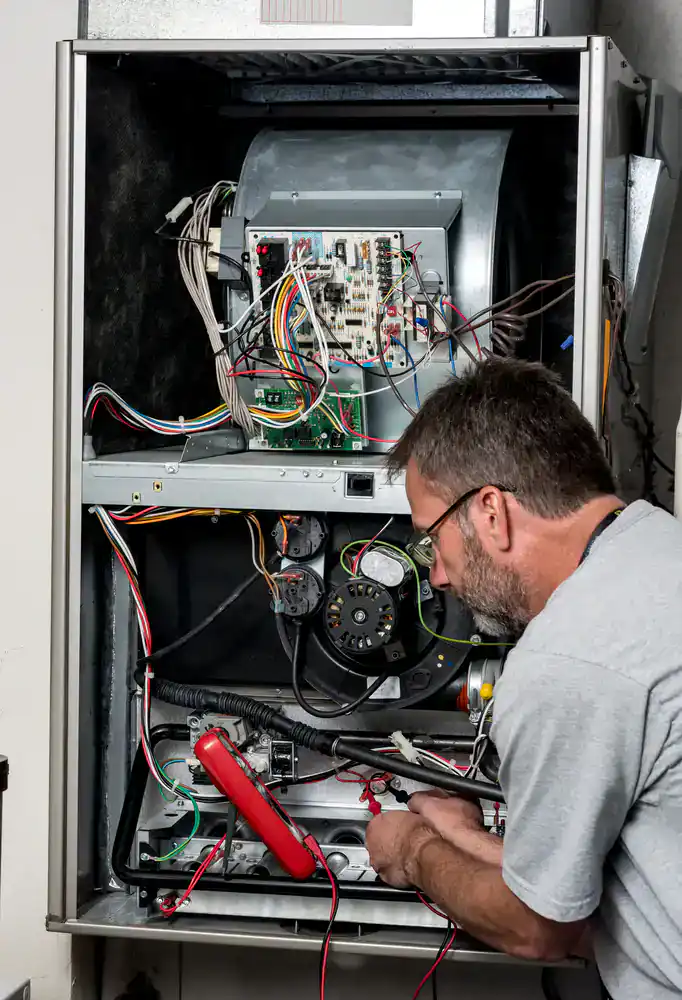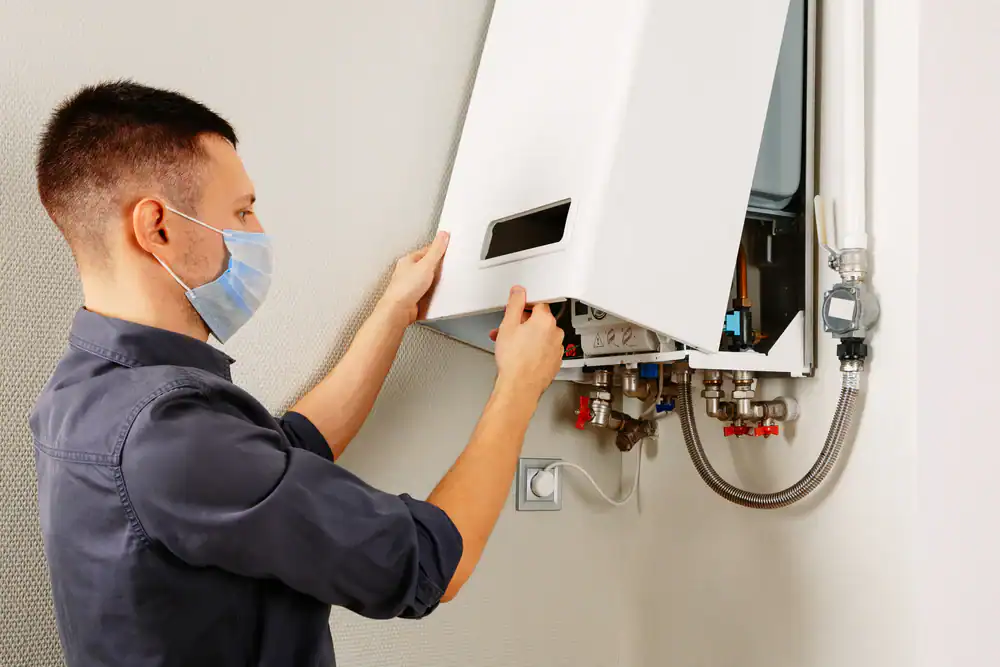
NJ Heating Rebates & Incentives Essex County Homeowners Should Know About
Most Essex County homeowners replacing a furnace or boiler this year will leave real money on the table. Here's what's actually available — and how to claim it.
Share:

Summary:
Most people don’t think about their heating system until something goes wrong. And when it does — usually on the coldest night of February — the last thing on their mind is rebates. But if you’re an Essex County homeowner with an aging furnace or boiler, there’s a real financial case for acting before that happens.
Between PSE&G utility rebates, federal tax credits, and state-backed financing, a qualifying heating replacement can cost significantly less than the sticker price suggests. The challenge is that most homeowners don’t know what’s available, what they qualify for, or how the programs actually work. That’s what this guide is for.
What NJ Heating Rebates Are Actually Available Right Now
There are three main buckets of incentives available to New Jersey homeowners replacing a furnace or boiler: utility rebates through PSE&G, federal tax credits under Section 25C of the tax code, and low- or no-interest financing through the NJ Clean Energy Program. Each one works differently, and the good news is they can be combined on a single qualifying installation.
PSE&G — the utility serving most of Essex County — currently offers up to $540 back on a qualifying high-efficiency gas furnace and between $540 and $600 on a qualifying gas boiler, depending on the efficiency tier. These are point-of-sale rebates, meaning they’re applied as a deduction at the time of installation rather than a check you wait months to receive.
On the federal side, the Section 25C tax credit lets you claim up to 30% of the cost of qualifying equipment — capped at $600 for furnaces and boilers, and up to $2,000 for qualifying heat pumps — directly against your federal tax bill.
How to Stack PSE&G Rebates With Federal Tax Credits in Essex County
Here’s what most homeowners don’t realize: you don’t have to choose between a utility rebate and a federal tax credit. If the installation qualifies, you can collect both.
A homeowner in Bloomfield, NJ who replaces an aging boiler with a qualifying high-efficiency system could receive a PSE&G rebate of up to $600 and still claim the Section 25C federal credit on their taxes that spring. Those two incentives alone can take a meaningful chunk off the total cost of the project.
The Section 25C credit is non-refundable, which is an important distinction. It reduces your federal tax liability — it doesn’t generate a refund if you owe nothing. So it’s most valuable to homeowners who have a real federal tax bill to offset. If that describes you, it’s worth factoring into the math before you decide whether to repair or replace.
There’s also the NJ Clean Energy Program’s financing option, which offers 0% interest on up to $25,000 spread over seven to ten years with no upfront costs required. For homeowners who’ve been putting off a replacement because of the sticker price — a boiler or furnace installation isn’t cheap — this changes the conversation. You’re not writing a large check upfront. You’re spreading the cost over time at zero interest while the efficiency savings start working for you immediately.
One more layer worth knowing about: PSE&G’s whole-home rebate program can deliver up to $6,000 in combined incentives when a heating upgrade is paired with insulation and air sealing improvements. For Essex County’s older housing stock — drafty Victorians in Glen Ridge, century-old Colonials in South Orange, NJ — bundling those upgrades together isn’t just financially smart, it’s the most effective way to actually feel the difference in your home’s comfort.
The key to collecting all of this is documentation. Rebate applications through PSE&G must be submitted within 120 days of the installation date. Equipment must be listed in the AHRI directory to qualify. And we need to verify eligibility before the job starts, not after — because once the wrong unit goes in, the rebate window closes.
The January 2025 Rule Change That Caught Essex County Homeowners Off Guard
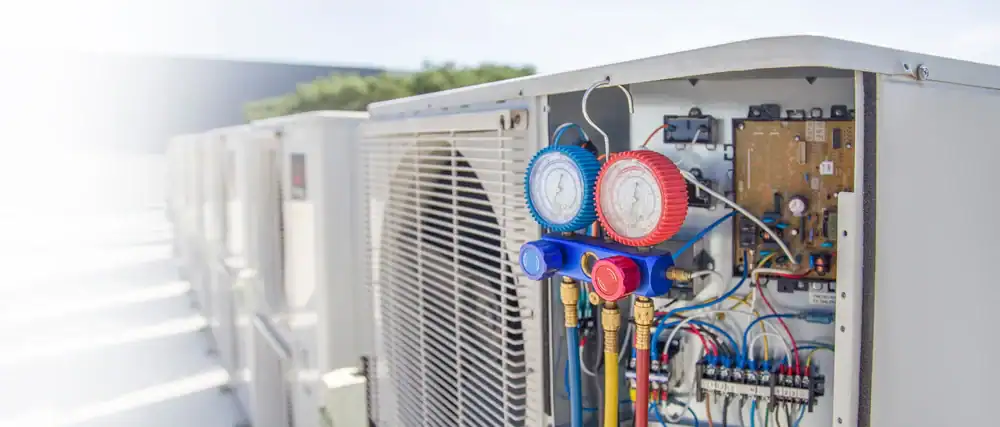
If you’ve looked into NJ heating rebates before and thought you understood the rules, it’s worth revisiting. As of January 1, 2025, replacing an existing high-efficiency furnace or boiler is no longer eligible for energy-efficiency program rebates under certain NJ utility programs. That’s a significant shift.
It means the rebate landscape that applied last year may not apply to your specific situation today. The practical implication: the largest rebates are now reserved for homeowners upgrading from older, lower-efficiency systems.
If your current boiler or furnace is running at 60 to 65% AFUE — which is common in Essex County homes built before 1970 — and you replace it with a modern system operating at 80 to 95% AFUE, that efficiency gap is exactly what the rebate programs are designed to reward. The bigger the jump in efficiency, the more likely you are to qualify for the full incentive tiers.
This is also why the timing of your assessment matters. If you call us before committing to a replacement, we can look at your current system’s efficiency rating, cross-reference the equipment you’re considering against the AHRI directory, and tell you exactly what you qualify for before any money changes hands. That’s a very different experience from finding out after the fact that the unit your contractor installed doesn’t meet the program’s specifications.
For homeowners in Essex County’s urban communities — Newark, Irvington, East Orange, NJ — there’s an additional layer worth knowing about. Low-to-moderate income households may qualify for an enhanced incentive of $300 per measure on top of the standard PSE&G rebate amounts. It’s a smaller number, but it’s real money that goes unclaimed every year simply because homeowners weren’t told it existed.
The bottom line on the rule change is this: the programs are still generous, but they’re more targeted than they used to be. Getting the right information upfront is the difference between collecting what you’re owed and walking away empty-handed.
Why Essex County's Older Homes Are Built for These Rebates
Essex County has some of the oldest housing stock in New Jersey. The median home in Maplewood, NJ was built in 1938. In Bloomfield, 1950. In Montclair and Glen Ridge, entire streets are lined with Victorians, Tudors, and Colonials that predate World War II.
These homes were designed around steam and hot-water boiler systems, and many of those systems — or their first replacements — are now 25 to 40 years old. That’s not just a maintenance story. It’s a financial opportunity.
The homes with the oldest, least efficient heating systems are exactly the ones that stand to benefit most from the current rebate programs. And there are a lot of them in Essex County.
Furnace vs. Boiler Rebates: What Essex County Homeowners Need to Know
The rebate structure is slightly different depending on whether you’re replacing a furnace or a boiler, and it matters to know which one you have before you start the conversation with a contractor.
Furnaces push heated air through ductwork. They’re common in homes built after the 1960s and in newer construction. PSE&G currently offers up to $540 for a qualifying high-efficiency gas furnace replacement. If your home uses natural gas and your current furnace is more than 15 to 20 years old, there’s a reasonable chance you’re running a system that qualifies for the full rebate tier when replaced with a modern high-efficiency unit.
Boilers heat water and distribute it through radiators or radiant floor systems. They’re the dominant heating technology in Essex County’s pre-war homes — the kind you’ll find in Montclair, South Orange, NJ, and the older neighborhoods of West Orange and Nutley. PSE&G’s boiler rebates run between $540 for Tier 1 systems and $600 for Tier 2, with the tier determined by the system’s AFUE rating. A boiler running at 85% AFUE or better typically qualifies for the higher tier.
What makes this relevant to Essex County specifically is the sheer volume of homes still running original or early-replacement boilers at 60 to 65% AFUE. The efficiency gap between those systems and a modern replacement is 20 to 30 percentage points. That gap is what drives both the rebate eligibility and the actual monthly savings on your gas bill. A home that was spending $300 a month to heat in January could realistically see that number drop when the system is operating at a significantly higher efficiency rating.
It’s also worth noting that many Essex County homes with oil-fired boilers are candidates for oil-to-gas conversion. The long-term cost math almost always favors natural gas, and conversion projects can qualify for rebates depending on the equipment installed. If your home is still on oil, it’s worth having that conversation before assuming conversion is out of reach financially.
How the Rebate Process Actually Works — and Where It Usually Goes Wrong
The rebate process sounds straightforward until you’re in the middle of it. Here’s where most homeowners run into trouble.
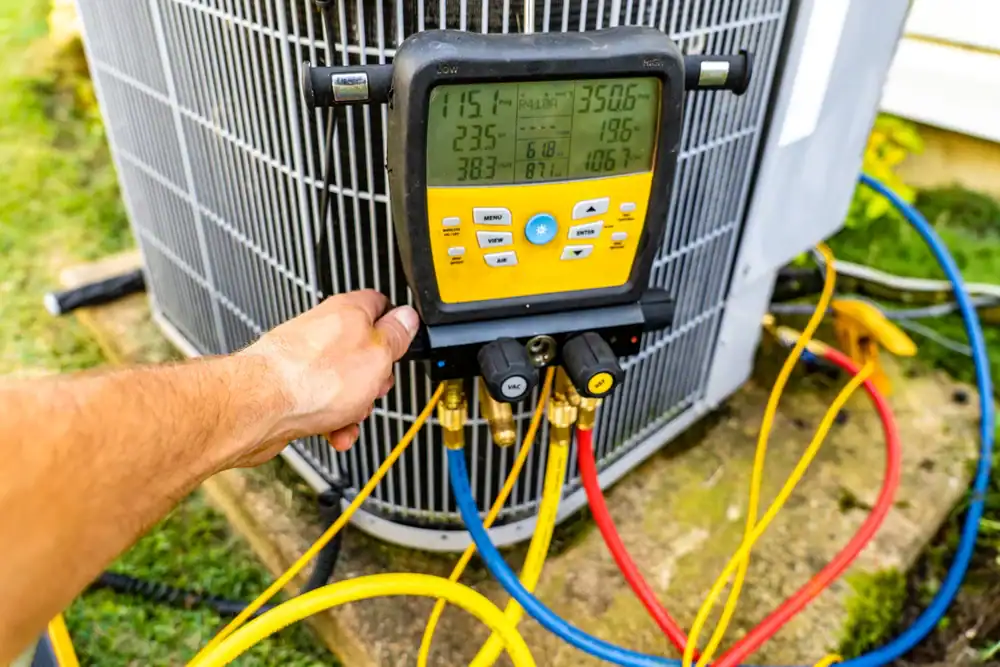
First, equipment eligibility isn’t automatic. The system being installed has to be listed in the AHRI directory — a database maintained by the Air-Conditioning, Heating, and Refrigeration Institute — and we need to verify that listing before the job starts. Not every high-efficiency unit on the market qualifies for every program. If the wrong model goes in, the rebate doesn’t apply, and there’s no recourse after the fact.
Second, documentation requirements are real. PSE&G rebate applications require a paid receipt, proof of installation, equipment photos, and in some cases permit documentation. The application has to be postmarked within 120 days of the installation date. That window sounds generous until you’re dealing with a new system, a busy schedule, and paperwork you weren’t expecting to handle.
Third — and this is the most common failure point — many homeowners assume their contractor will handle the rebate application as part of the job. Some do. Many don’t. The result is that homeowners who were expecting a rebate end up navigating the process alone, often past the deadline.
We’ve been serving Essex County since 1973. When we install a qualifying system, we treat the rebate documentation as part of the job — not an afterthought we hand back to you. That means verifying equipment eligibility upfront, pulling the necessary permits, and making sure the application is in order before the window closes. It’s not a complicated process when someone who knows it is managing it. It becomes a problem when nobody is.
If you’re considering a furnace or boiler replacement and you’re not sure what you qualify for, the most useful thing you can do right now is call before you commit to anything. We can assess your current system, tell you what incentive programs apply to your specific situation, and give you a clear picture of what the replacement would actually cost after rebates and credits are factored in. That conversation is free. The rebates you’d miss without it aren’t.
Ready to Find Out What NJ Heating Rebates You Qualify For?
The rebate programs available to Essex County homeowners right now are genuinely useful — but they require the right equipment, the right documentation, and someone who knows the process well enough to make sure nothing falls through the cracks. Most of the money that goes unclaimed isn’t lost because the programs ran out. It’s lost because homeowners didn’t know what to ask for, or because the paperwork wasn’t handled correctly.
If your home is more than a few decades old and your heating system is getting up there in age, the financial case for replacement looks very different once you factor in what’s available. PSE&G rebates, federal tax credits, and 0% financing can be combined — and for a lot of Essex County homes, that combination makes a replacement far more accessible than the sticker price suggests.
Adriatic Aire has been serving this area for over 50 years. We know the heating systems in these homes, we know the rebate programs that apply here, and we handle the process from assessment to application. Reach out to us directly — we’ll tell you exactly where you stand.
Article details:
- Published by:
- Adriatic Aire LLC
- Published to:
- Last modified:
- September 29, 2026
Share:
Continue learning: