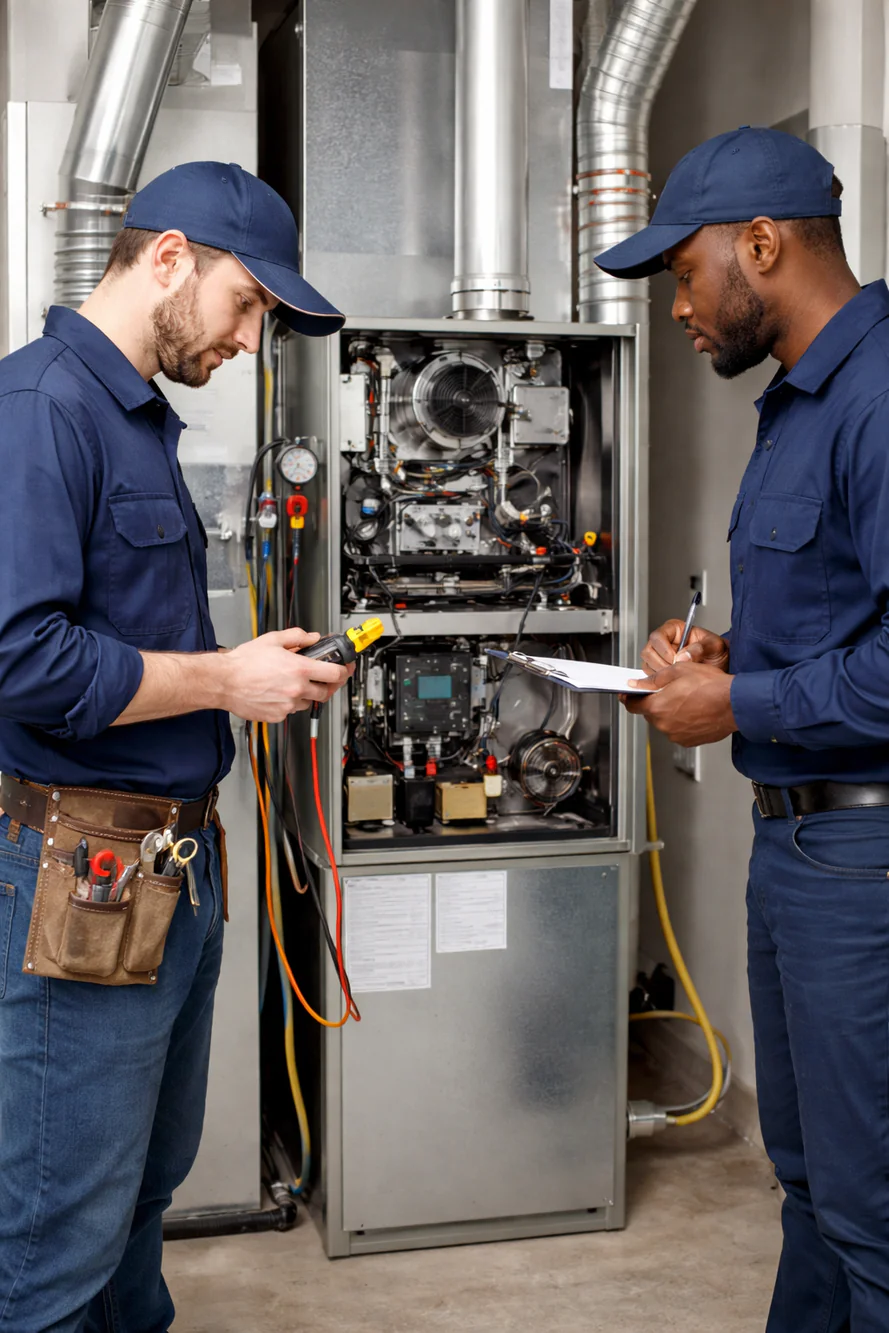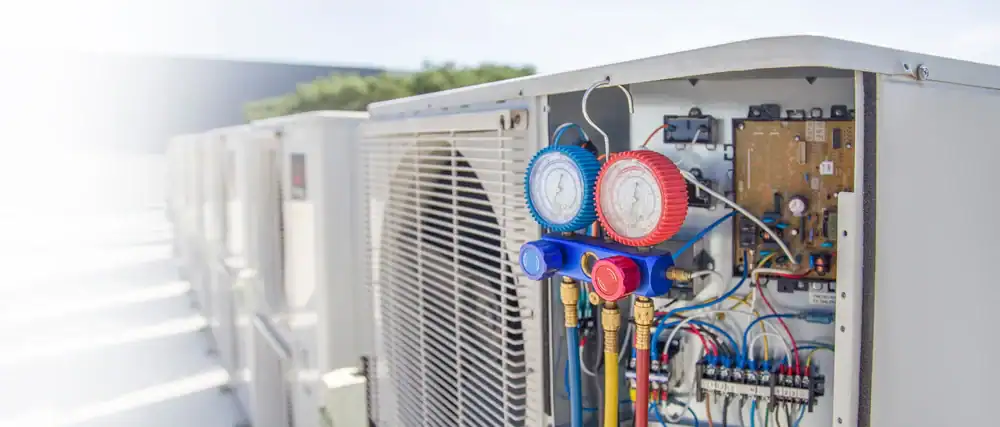
HVAC for Older Homes in Nutley, NJ Explained
If your Nutley home was built before 1970, your HVAC situation is different. Here's an honest breakdown of your real options.
Share:
Summary:
A lot of Nutley homes were built between 1920 and 1969. Some even earlier. They were built well, and they’ve held up — but the heating and cooling systems inside them were never designed with today’s comfort expectations in mind. If you’ve been told you “just need a repair” every other winter, or you’ve been wondering how anyone adds air conditioning to a house with no ductwork, you’re asking the right questions. We break down what HVAC actually looks like in older Essex County homes — the real decisions, the real costs, and what actually makes sense for where you live.
What HVAC in an Older Nutley, NJ Home Actually Looks Like
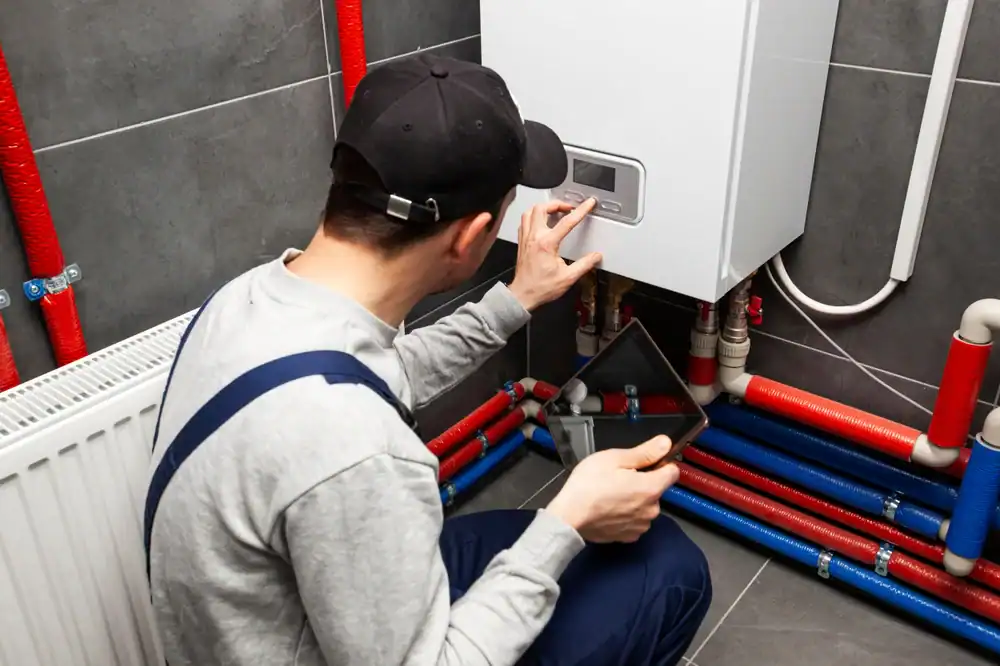
Most older homes in Nutley were built with boilers and radiators — not furnaces and ductwork. That distinction matters more than people realize. A boiler heats water and circulates it through radiators or baseboard units throughout the house. It works, and in many cases it works well. But it also means there is no existing ductwork to run central air conditioning through.
That leaves a lot of homeowners stuck in a frustrating position every summer. The heat is handled, but the cooling isn’t — and the solution isn’t as simple as adding a standard central AC unit. Understanding what you’re actually working with is the first step before anyone starts quoting you equipment.
How Do You Add AC to a Nutley Home That Only Has a Boiler?
This is one of the most common questions we hear from homeowners in Nutley, Belleville, and the surrounding Essex County towns — and it makes complete sense. If your home was built with a boiler system, you have no existing ductwork. That means a traditional central air conditioning setup isn’t an option without significant construction work to run new ducts through walls, ceilings, and floors.
There are a few realistic paths forward. The most practical option for most older homes is a ductless mini-split system. These systems consist of a small outdoor compressor unit and one or more indoor air handlers mounted on the wall or ceiling. They require only a small hole through the wall to connect the two — no ductwork, no major renovation. Mini-splits cool individual rooms or zones, which actually gives you more control over your comfort than a traditional central system would.
Another option is a high-velocity mini-duct system, which uses very small, flexible tubing that can be threaded through existing wall cavities without tearing everything apart. It’s a more invasive installation than a mini-split but delivers more of a whole-home feel if that’s what you’re after.
What we’d steer you away from is the idea of retrofitting full ductwork into a pre-1960 home just to accommodate a standard AC system. The cost and disruption rarely justify it when better-suited alternatives exist. Mini-splits in particular have become the go-to solution in this Essex County market for exactly that reason — they were designed with homes like yours in mind.
If you’re in a pre-war home in Nutley North or a mid-century colonial closer to the Belleville border, the ductless route is almost always the most sensible starting point. We’ve installed them in homes throughout Essex County, and the homeowners who make the switch consistently tell us they wish they’d done it sooner.
When Should You Stop Repairing Your Old Oil Boiler and Switch to Gas?
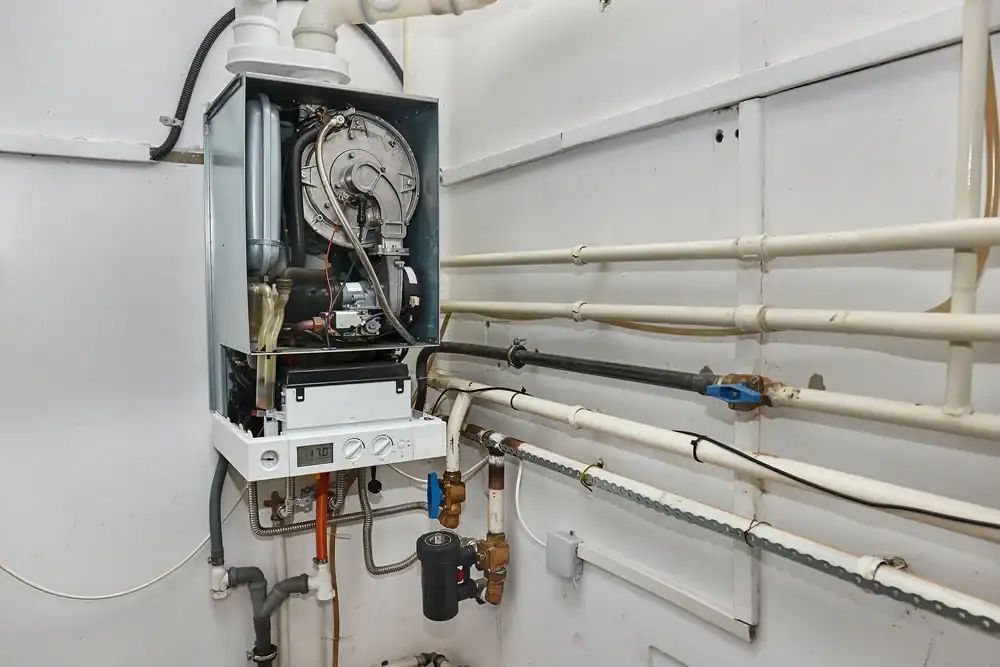
This is the harder question — and the one most contractors in the area would rather avoid, because the honest answer sometimes costs them a repair call. Here it is anyway: if your oil boiler is more than 15 to 20 years old and you’ve been calling for repairs with any regularity, you are almost certainly spending more money keeping it alive than it would cost you to replace it with a modern gas system over the next few years.
Older oil systems typically run at 70% to 80% efficiency — meaning a significant portion of the fuel you’re paying for isn’t actually heating your home. A degraded system can drop below that. Modern high-efficiency gas boilers run at around 95% AFUE. That gap shows up directly on your heating bills every single winter.
Essex County homeowners who convert from oil to gas typically save between 30% and 50% on annual heating costs. Depending on your home size and how well it’s insulated, that can translate to $800 to $1,500 per year. Over five years, that’s a meaningful number — and it doesn’t account for the repair bills you’re no longer paying.
We want to be straightforward about something: we don’t offer oil heating repair. That’s a deliberate decision. When a homeowner calls us with an oil boiler problem, we assess the system honestly and have a real conversation about whether continued repair makes financial sense. In most cases, it doesn’t — and we’ll tell you that plainly, along with what a full oil-to-gas conversion would actually involve and cost. Most complete conversions in Essex County run between $12,000 and $18,000, covering the new gas furnace or boiler, interior gas piping, permits, labor, and oil tank removal. If your home already has a gas line at the street, that range typically comes down to $8,000 to $12,000.
PSE&G, which serves Nutley and much of Essex County, also offers incentives for high-efficiency HVAC upgrades that can reduce your upfront costs. It’s worth factoring that in before you write off the conversion as out of reach.
AC Repair in Nutley, NJ — What to Expect If You Already Have a System
Not every call is about a full replacement. If you have an existing air conditioning system — whether it’s a window unit setup, a mini-split, or a central system added to your home at some point — and it’s not performing the way it should, repair is often the right call.
The key question is age and pattern. A system that’s had one issue in ten years is a repair situation. A system that’s been flagged for problems every other season, or one that’s pushing 15 to 20 years old, deserves a more honest conversation about whether the repair cost is money well spent.
Signs Your AC System Needs Repair vs. Replacement in Essex County
There’s no universal rule, but there are reliable patterns. If your air conditioner is blowing warm air, cycling on and off too frequently, making unusual sounds, or causing a noticeable spike in your energy bills without any change in how you’re using it, those are signs something is wrong — but not necessarily signs that the system is done.
On the other hand, if the system is more than 15 years old, has needed refrigerant added more than once, or requires a repair that costs more than half the price of a replacement unit, replacement is almost always the smarter financial decision. Continuing to invest in aging equipment is one of the most common and costly mistakes homeowners make — not because they’re being careless, but because no one sat down and gave them the math.
We service all major brands — Trane, Lennox, Daikin, American Standard, and others — so we’re not going to push you toward a specific manufacturer when you call. Our job is to diagnose what’s actually happening and give you an honest read on whether repair or replacement makes more sense for your situation. We offer free estimates on every project, so there’s no cost to getting that assessment.
One thing worth noting for older Essex County homes specifically: if your AC system was added to a home that wasn’t originally built for it, there’s a reasonable chance it wasn’t sized or installed correctly to begin with. Research suggests roughly half of all homeowners end up with improperly installed HVAC systems — and the symptoms often look like the system is failing when the real problem is that it was never set up right in the first place. A proper diagnostic can tell the difference.
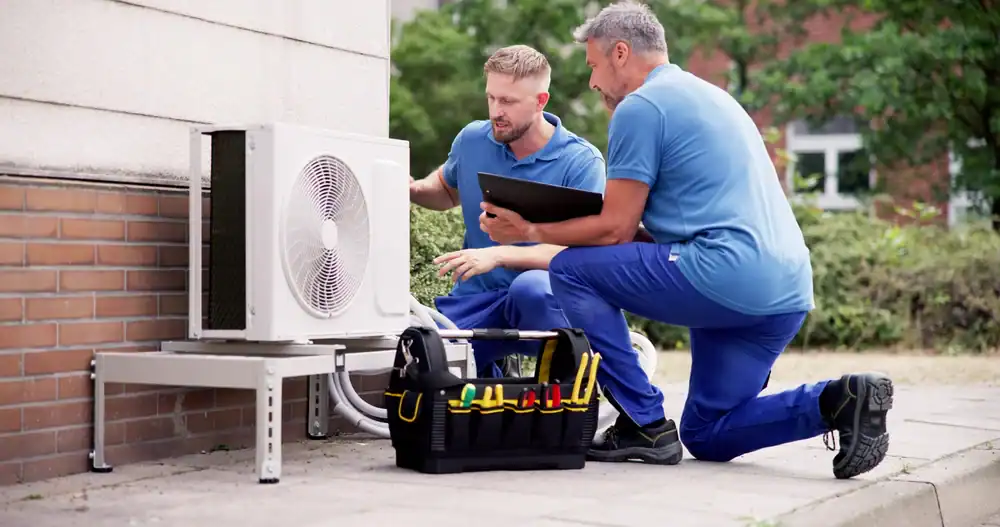
Furnace Repair in Belleville, NJ — Same Homes, Same Challenges
Belleville sits right next to Nutley, and the housing stock looks nearly identical — pre-1960 single-family homes, many of them built with oil or early gas heating systems and no central air. The HVAC challenges are the same, and so are the questions homeowners are asking.
If you’re in Belleville and your furnace has been struggling — inconsistent heat, short cycling, a pilot light that keeps going out, or a system that runs constantly without ever getting the house warm — those are signs worth taking seriously before winter is fully underway. A furnace that’s working hard but underperforming is usually either nearing the end of its useful life or dealing with a fixable issue that’s been allowed to compound over time.
For Belleville homeowners with older gas furnaces, the repair-vs.-replace question works the same way it does in Nutley: age and repair history are the deciding factors. A furnace that’s 10 years old with one problem is a repair. A furnace that’s 20 years old and has been patched repeatedly is a different conversation.
For Belleville homes still on oil heat, the conversion path we described above applies equally. The PSE&G service territory covers Belleville as well, and the savings math is the same regardless of which side of the township line you’re on. We’ve been working in Essex County since 1973, and the homes here haven’t changed as much as the heating technology has.
If you’re not sure whether your furnace issue is a repair or a sign of something larger, call before it becomes an emergency. A system that’s limping through October is a system that’s likely to fail in January. Getting ahead of it is almost always cheaper and less stressful than dealing with it when it’s 20 degrees outside.
Finding the Right HVAC Solution for Your Nutley or Essex County Home
Older homes in Nutley and Belleville aren’t a problem to work around — they’re just a different situation than what most generic HVAC advice accounts for. The right solution depends on what you’re starting with: whether you have a boiler or a furnace, whether you’re on oil or gas, whether you have ductwork or not, and how old your current equipment actually is.
What we’ve found, after more than 50 years of working in Essex County homes, is that most homeowners just want someone to be straight with them. They don’t want to be sold something they don’t need, and they don’t want to keep spending money on a system that’s past its useful life. Both of those things are fair.
If you’re trying to figure out what your options actually are — whether that’s adding cooling to a boiler-only home, deciding whether to repair or replace an aging system, or finally making the move from oil to gas — Adriatic Aire is a straightforward call to make. We offer free estimates, honest assessments, and we’ve been doing this in your neighborhood long enough to know exactly what you’re dealing with.
Article details:
- Published by:
- Adriatic Aire LLC
- Published to:
- Last modified:
- October 20, 2026
Share:
Continue learning: