AC Installation Process: What to Expect Step-by-Step
From sizing your system correctly to pulling the right permits, here's what a proper AC installation actually looks like — start to finish.
Share:
Summary:
Most homeowners don’t think about their AC until it stops working — usually on the hottest day of the year. By then, you’re not in a great position to make a careful, informed decision. If you’re reading this before that happens, good. You’re already ahead.
A proper AC installation isn’t just swapping one box for another. There’s a sizing calculation, a permit, refrigerant handling, electrical work, and a final inspection — all of which affect how well your system performs and how long it lasts. Here’s what the process actually looks like when it’s done right.
AC Installation Process and Timeline
Most standard AC replacements take one full day — roughly six to eight hours for a straightforward swap with existing ductwork in good condition. New installations that involve running ductwork, upgrading electrical panels, or configuring multi-zone systems can stretch into a second day. Either way, you should have a clear timeline from your contractor before anyone shows up.
The process starts well before the actual installation. A proper assessment of your home comes first — your square footage, insulation, ceiling height, window placement, and sun exposure all factor into determining what size system you actually need. Skipping this step is one of the most common ways installations go wrong, and it’s something we never skip.
Central Air Conditioner Installation: What's Involved From Start to Finish
Central air conditioner installation follows a specific sequence, and every step matters. It begins with a load calculation — the industry standard is the ACCA Manual J method — which uses data about your home to determine the correct system size in BTUs. An oversized system will cool the air quickly but shut off before it removes enough humidity, leaving your home feeling clammy even at 72 degrees. An undersized system runs constantly and still can’t keep up on a 95-degree day in July. Neither is acceptable, and both are avoidable with proper sizing upfront.
Once the right equipment is selected, we handle the permit application with your local municipal building department. In Essex County, a mechanical permit is required for AC installation under the NJ Uniform Construction Code. This isn’t optional, and any contractor who suggests skipping it to save time is creating a problem for you — unpermitted work can complicate insurance claims, cause issues when you sell the home, and means the installation was never inspected for code compliance.
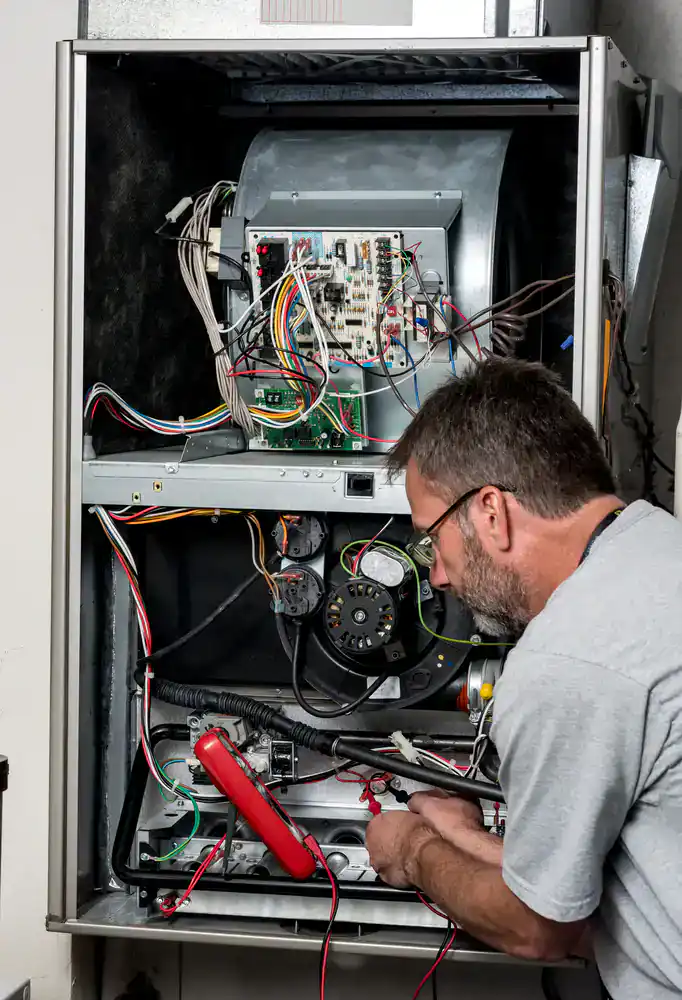
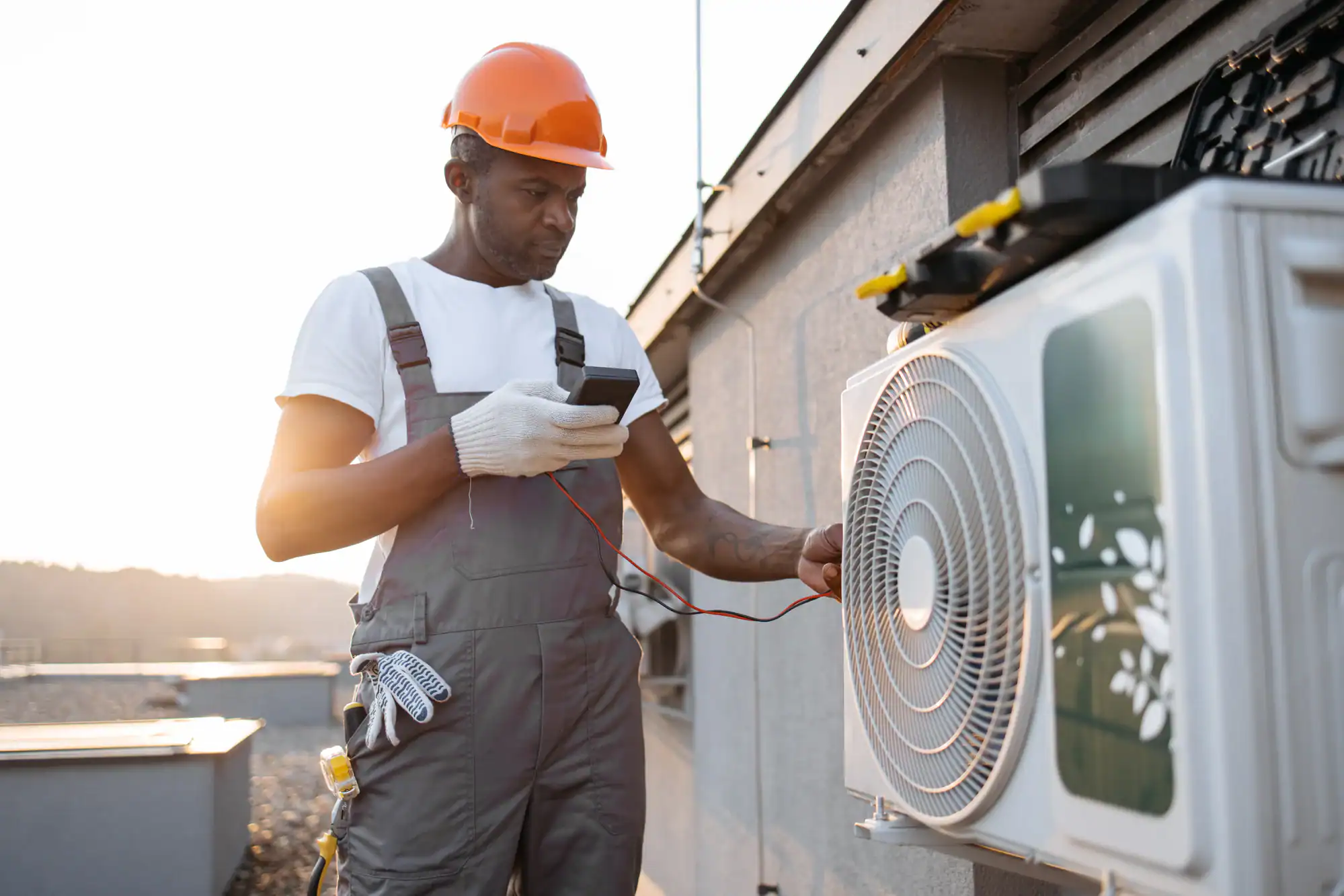
On installation day, the old equipment is removed first. Refrigerant recovery is handled per EPA regulations — this requires certification, and it’s not something a general handyman can legally do. The indoor air handler or evaporator coil, the outdoor condenser unit, the refrigerant line set, electrical connections, and condensate drain are all installed in sequence. Before the system is charged with refrigerant, the lines are pressure-tested and evacuated to remove any moisture or air that would degrade performance.
After charging, we run the system through a full operational check — verifying airflow, measuring the temperature differential across the coil, confirming refrigerant pressures are within manufacturer specs, and testing thermostat function. When we leave, the system is running correctly, the site is clean, and you know exactly how to operate what was just installed.
Mini Split Installation: The Right Call for Many Essex County Homes
A large portion of homes across Essex County — particularly in Montclair, Glen Ridge, Maplewood, and South Orange — were built long before central air conditioning existed. Victorian-era and pre-war colonials throughout these towns were designed around steam heat or hot water radiators, not forced air. That means no ductwork, or ductwork that was added later and wasn’t designed for cooling loads. For these homes, trying to retrofit central air often means tearing into walls and ceilings to run new ducts — a significant, expensive, and disruptive project.
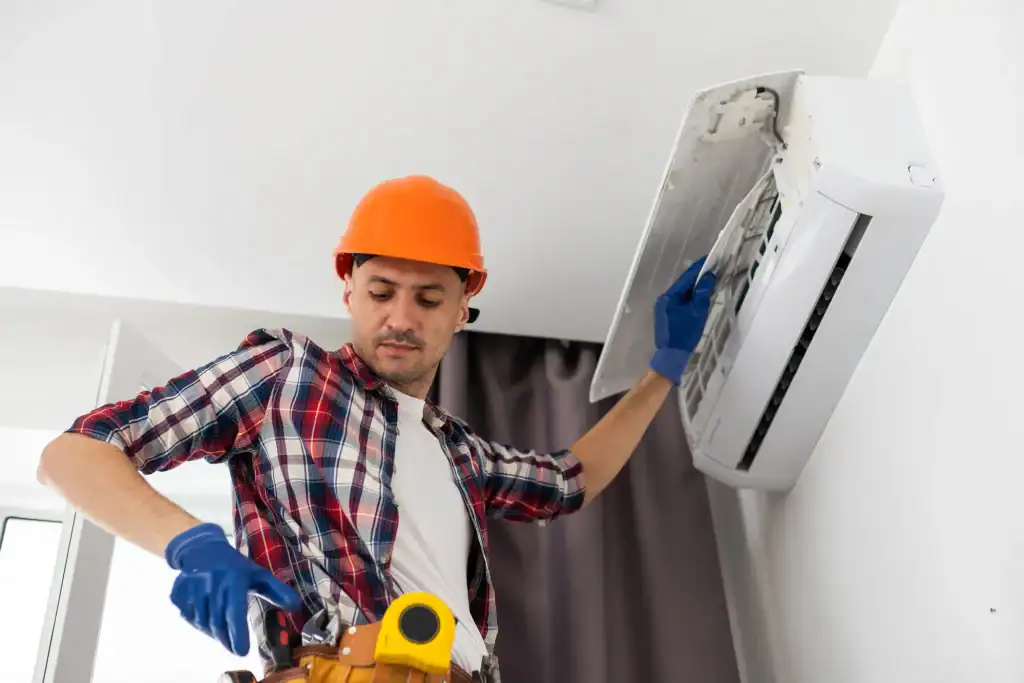
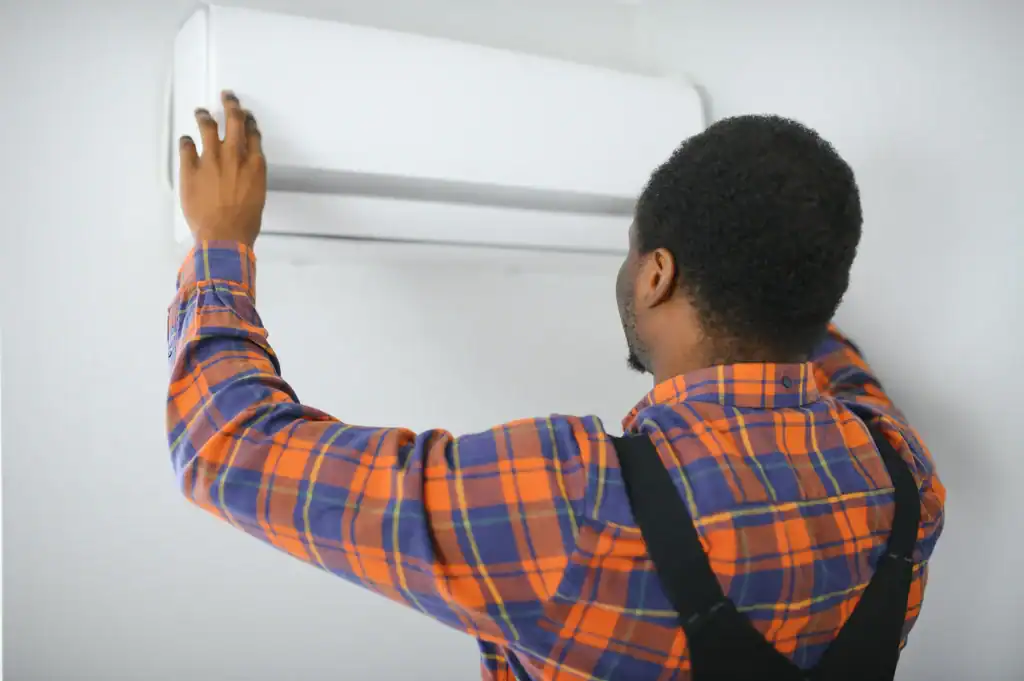
Mini split installation offers a different path. A ductless system uses a small outdoor compressor connected to one or more indoor wall-mounted units via a narrow conduit that runs through a small hole in the wall — typically three inches in diameter. There’s no ductwork to run, no major structural work, and the installation is usually completed in a single day. Multi-zone configurations can cool an entire home, with each room or zone controlled independently.
Beyond the installation advantages, ductless systems tend to be highly efficient. Modern mini-splits carry SEER2 ratings well above the current minimum standard, which translates to real savings on your electric bill — meaningful in Essex County, where residential electricity rates are among the higher ones in the Northeast. If you’re in a home that’s been relying on window units for years and you’re tired of the noise, the drafts, and the monthly energy bills, a ductless system is worth a serious conversation.
We assess each home individually before recommending a system type. Sometimes central air is the right answer. Sometimes ductless is clearly better. Sometimes a hybrid approach makes sense. What we won’t do is default to the option that’s easiest for us or most expensive for you.
NJ Permits, Licensing, and What Essex County Homeowners Should Verify Before Hiring Anyone
New Jersey has specific licensing requirements for HVAC contractors that not everyone in the industry meets. The state requires HVAC contractors to hold a license from the NJ State Board of Examiners of HVACR Contractors, and any technician handling refrigerants must hold EPA Section 608 certification. These aren’t formalities — they’re the baseline for legal, insured, code-compliant work.
You can verify any contractor’s license status through the NJ Division of Consumer Affairs website before you sign anything. We hold License #19HC00022600 from the State Board of HVACR Contractors and License #13VH05686500 from the NJ Division of Consumer Affairs. Both are publicly verifiable. We mention this not to impress you, but because you should be asking every contractor you consider for the same information.
Do You Need a Permit for AC Installation in New Jersey?
Yes — and this applies whether you’re replacing an existing system or installing new equipment for the first time. Under the NJ Uniform Construction Code, mechanical permits are required for AC installation, and a municipal inspection is required after the work is complete. The permit is pulled from your local building department, and Essex County’s 22 municipalities each have their own — Montclair’s process is different from Bloomfield’s, which is different from Livingston’s.
We handle the permit application as part of every installation. You don’t need to navigate the building department yourself or figure out which forms apply to your municipality. That’s our job, and it’s something we’ve been doing across Essex County since 1973.
The reason permits matter beyond legal compliance: they create a documented record that the installation was inspected and approved. If you ever file a homeowner’s insurance claim related to your HVAC system, or if you sell your home and a buyer’s inspector finds unpermitted mechanical work, that documentation protects you. Skipping the permit saves a contractor a few hours of paperwork and creates a long-term liability for you. It’s not a trade-off worth making.
One thing worth noting: some contractors advertise lower prices partly because they’re skipping permits, using lower-efficiency equipment, or rushing through steps like load calculations and pressure testing. The installation might look fine on the surface and underperform for years before anything obviously fails. The cost of a poorly installed system — in higher energy bills, repair calls, and shortened equipment life — adds up fast.
How to Prepare for AC Installation Day in Your Home
Most homeowners don’t need to do much to prepare, but a few things make the day go more smoothly. Clear a path to your attic access, utility room, or wherever your air handler or furnace is located. If the outdoor unit is being installed in a specific area, make sure that space is accessible and any furniture or planters are moved out of the way. That’s about it for most jobs.
You don’t need to be home for the entire installation, but we do ask that someone is available at the start so we can walk through the plan together, and at the end for the final walkthrough. That closing conversation matters — it’s when we show you how to operate the thermostat, explain the maintenance schedule that protects your warranty, and answer any questions you have about the system.
A few questions we hear often: Will I be without AC all day? For a replacement installation, yes — the system will be offline while the work is being done, typically for most of the day. We try to schedule installations during moderate weather when possible, and if you have a vulnerable family member who can’t tolerate the heat, let us know so we can plan accordingly. Can I run the new system immediately? Yes. We don’t leave until the system has been tested and confirmed operational. You’ll have cooling by the time we pack up.
For Essex County homeowners replacing an older R-22 system — the refrigerant used in units manufactured before around 2010 — it’s worth knowing that R-22 production and import was banned in the U.S. as of January 1, 2020. You can’t simply recharge an R-22 system anymore; replacement is the only real path forward. If your system is more than 15 years old and has been needing refrigerant top-offs, the installation conversation is one worth having sooner rather than later.
Who to Call for AC Installation in Essex County, NJ
Getting a new AC system right comes down to three things: correct sizing, proper installation, and a contractor who follows the process all the way through — permits, pressure testing, final inspection, and everything in between. When any of those steps get skipped, you usually don’t find out until the system is underperforming in August or failing years ahead of schedule.
We’ve been doing this work across Essex County since 1973. That’s more than five decades of installations in Montclair Victorians without ductwork, Livingston colonials with aging central air, Bloomfield multi-families, and everything in between. We know the local permit process, we know the housing stock, and we know what actually works here.
If you’re thinking about a new system — or just want an honest assessment of what you have — reach out to us at (973) 249-8066. No pressure, no upsell, just a straight answer about what your home needs.
Article details:
- Published by:
- Adriatic Aire LLC
- Published to:
- Last modified:
- November 20, 2026
Share:
Continue learning: