What Your Furnace Tune-Up Actually Covers
Share:
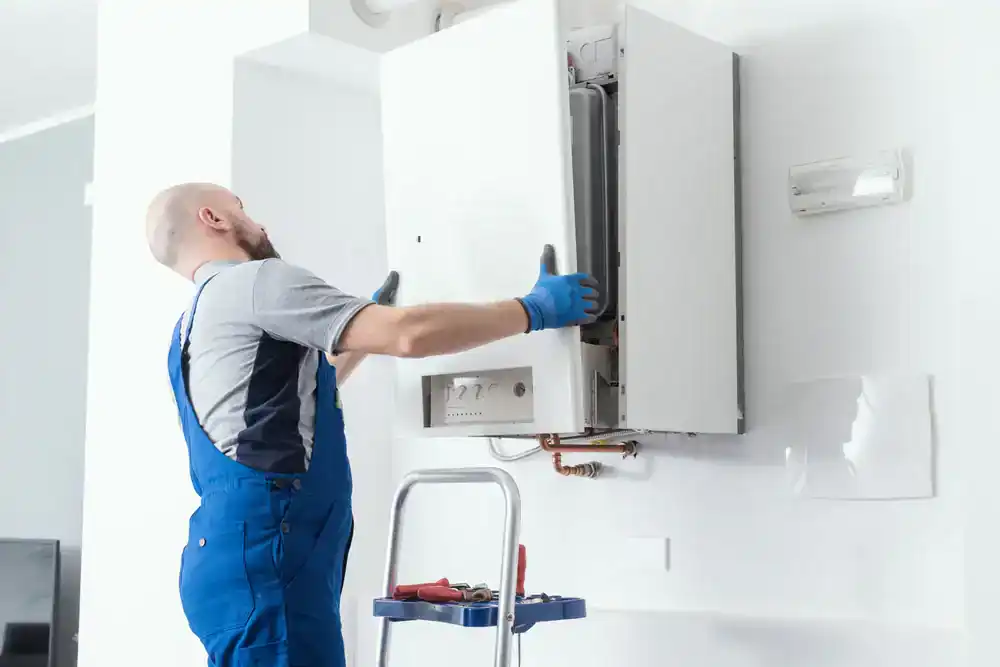
Most people assume their furnace is fine as long as it turns on. And honestly, that assumption holds up — right up until the night it doesn’t. The tricky part is that the problems most likely to cause a mid-February breakdown don’t announce themselves ahead of time. They build quietly, inside components you’d never think to check, until something gives.
A furnace tune-up isn’t about fixing what’s already broken. It’s about finding what’s about to break — and catching the things that are dangerous whether or not your system is “running fine.” Here’s what that actually looks like in practice.
What Furnace Maintenance Actually Includes
Furnace maintenance — sometimes called a tune-up or annual service — is a comprehensive inspection and cleaning of your heating system performed by a licensed technician. It’s not a single task. It’s a structured process that covers the mechanical, electrical, and safety-critical components of your furnace, most of which you’d have no reason to look at between seasons.
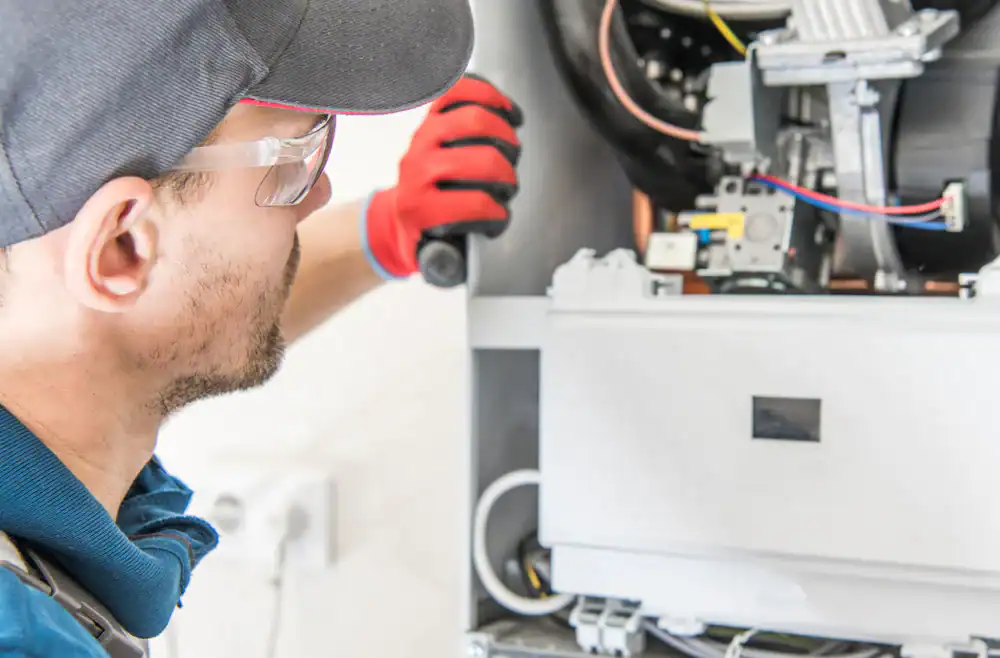
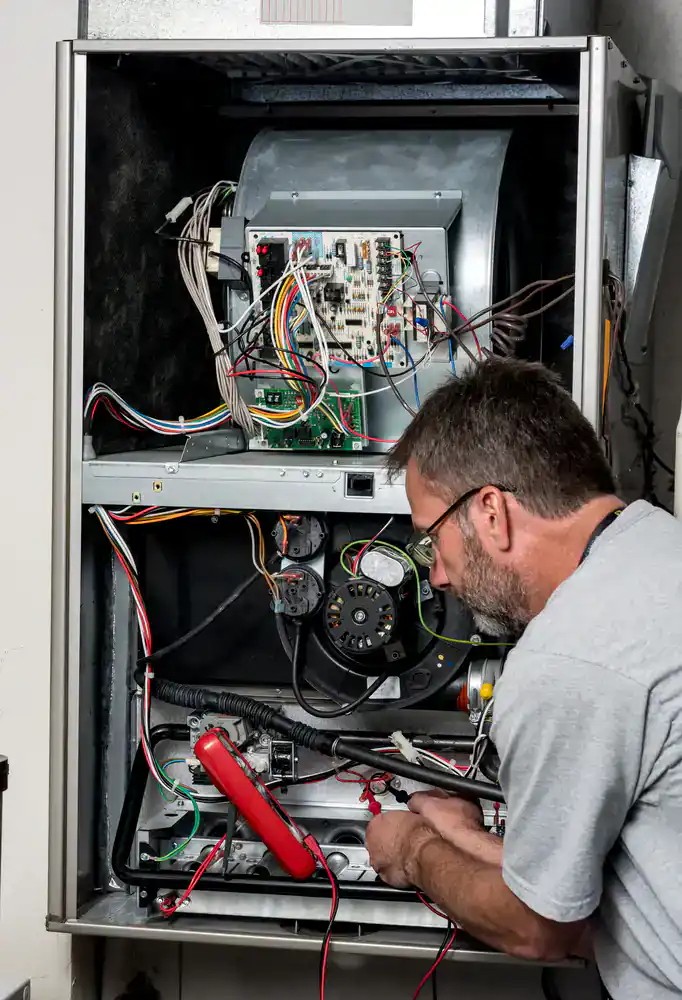
A standard visit takes roughly an hour. In that time, a technician works through the system methodically: cleaning the burners, inspecting the heat exchanger, testing the ignitor, checking electrical connections, and verifying that the blower motor is functioning within spec. We’re also confirming that the system is venting properly and that there are no conditions that could put your household at risk.
The goal isn’t just efficiency — it’s a full picture of where your furnace stands heading into the season.
What a Technician Actually Checks During a Furnace Tune-Up
Here’s where most furnace maintenance content falls short: it lists benefits without telling you what actually happens. So let’s be specific.
The burners get cleaned and inspected for proper flame quality. The color and pattern of the burner flame tells a technician a lot about combustion efficiency and whether the fuel-to-air ratio is off. Dirty or misaligned burners don’t just waste gas — they can produce carbon monoxide as a byproduct of incomplete combustion.
The heat exchanger gets a close inspection for cracks. This is the single most important safety check in the entire visit. A cracked heat exchanger can allow combustion gases — including carbon monoxide — to mix with the air circulating through your home. Carbon monoxide is colorless and odorless. Without professional inspection, a cracked heat exchanger can go undetected for an entire heating season. No symptom. No warning. Just a slow, invisible risk.
The blower motor and blower blades are tested and cleaned. The blower is what actually moves heated air through your ductwork and into your living spaces. A motor that’s drawing too much current, or blades caked with dust, forces the system to work harder than it should — which shortens its lifespan and drives up your energy use.
The flame sensor gets cleaned. This small component tells the furnace that a flame is actually present before it releases gas. When it gets coated with residue — which happens naturally over time — it can cause the furnace to cycle on and off repeatedly, or fail to ignite at all. Cleaning it takes minutes and prevents a lot of frustrating no-heat calls.
Electrical connections are inspected and tightened. Loose connections in a high-heat environment are a fire risk. This check is quick, but it’s not optional.
Finally, we test the thermostat for accurate calibration, check gas pressure against manufacturer specifications, and inspect the flue and venting for blockages or damage. Taken together, these steps give you a clear picture of where your system stands — not just whether it’s currently running.
What Happens If You Skip Annual Furnace Maintenance?
The honest answer is: usually nothing, for a while. And that’s exactly what makes skipping it feel reasonable.
Furnaces are built to be durable. They don’t fail the first year you miss a tune-up, or even the second. What happens instead is a slow accumulation of small problems — a dirty flame sensor here, a slightly cracked heat exchanger there, a blower motor that’s working 20% harder than it should because the blades haven’t been cleaned in three years. None of these things feel urgent. None of them announce themselves. And then, on a cold night in January when you need the heat most, one of them does.
Emergency HVAC calls in the dead of winter are expensive. Parts that might have been caught and addressed during a routine visit become urgent repairs at peak-demand rates, with limited technician availability and no flexibility on timing. That’s a very different situation than a scheduled tune-up in October.
There’s also the efficiency angle. A properly maintained furnace uses meaningfully less energy than one that’s been running without service for several years. When heating accounts for a significant portion of your monthly utility bill — and in Essex County winters, it does — a system that’s working harder than it needs to shows up on every statement from November through April.
The lifespan argument is real too. Furnaces that receive consistent annual maintenance regularly reach 15 to 20 years of reliable service. Ones that don’t may fail well before that. Replacing a furnace is a major expense. Annual maintenance, by comparison, is not.
When to Schedule Furnace Maintenance in Essex County, NJ
Timing matters more than most homeowners realize, and September through October is the window that actually works. By November, the first cold snaps have arrived and HVAC companies across Essex County are already fielding emergency calls. Appointment availability tightens. Lead times grow. The flexibility you had in October disappears.
Scheduling in early fall means your furnace gets serviced before it’s under load, parts are available without delays, and you’re not competing with everyone else who waited until their heat stopped working. It’s a small logistical decision that makes a real difference in what your experience looks like.
Why Essex County Homes Need Extra Attention
Essex County isn’t a typical suburban market when it comes to heating systems. A significant portion of the housing stock — particularly in Montclair, Glen Ridge, South Orange, and Maplewood — consists of Victorian, Colonial, and Tudor-era homes built between the 1880s and 1940s. Many of these homes are on their second or third furnace. Some are on systems that are well past the age at which annual maintenance stops being optional and starts being essential.
An older furnace in an older home is exactly the profile where a heat exchanger crack is most likely to develop, where a blower motor is most likely to be running outside its design parameters, and where a missed tune-up is most likely to turn into an emergency call. The homes are beautiful. The heating systems inside them deserve the same attention their owners give to the woodwork and the original windows.
There’s also a practical reality for many Essex County residents: a lot of people here commute into New York City. If your day starts early and ends late, squeezing in a midday appointment with an HVAC company isn’t always realistic. Same-day availability and flexible scheduling aren’t just conveniences — they’re the difference between getting service done and putting it off until something breaks.
We’ve been working in Essex County since 1973. We know the homes, we know the neighborhoods, and we’ve seen what happens when a furnace in a 90-year-old house in Glen Ridge goes without service for a few seasons too many. It’s not dramatic — until it is.
Furnace Maintenance FAQs: What Essex County Homeowners Ask
**How much does a furnace tune-up cost?**
A standard tune-up runs around $100 to $150. That’s the range we quote, and it’s consistent with what you’ll find from licensed contractors across Essex County. For context: a single emergency repair call in February — for a part that could have been caught during a routine visit — typically costs several times that. The math isn’t complicated.
**How often does a furnace need to be serviced?**
Once a year, before the heating season. Most manufacturers recommend it, and many require it to keep the warranty valid. If your furnace is 10 years old or older, you have even more reason to stay on schedule — that’s the age range where small problems start compounding.
**Can I do furnace maintenance myself?**
You can change the filter, and you should. Keeping the area around the furnace clear is also worth doing. But the checks that actually matter — heat exchanger inspection, combustion analysis, gas pressure testing, flame sensor cleaning, electrical connection verification — require professional tools and training. The things most likely to cause a breakdown or a safety issue are not visible from the outside of the unit.
**My furnace seems to be running fine. Do I really need a tune-up?**
This is the most common question we hear, and the honest answer is: a furnace can be running and still have a cracked heat exchanger. It can be running and drawing 30% more energy than it should because the blower is overworked. It can be running and be one cold snap away from a no-heat call. “Running” and “running well” are not the same thing, and the difference only shows up when a technician looks inside.
**Is Adriatic Aire licensed to perform furnace maintenance in New Jersey?**
Yes. We hold NJ License No. 19HC00022600, which is a state-issued credential that any homeowner can verify. We’ve also been HomeAdvisor Screened and Approved for five consecutive years — which means background checks, license verification, and insurance verification, renewed annually. We’ve been doing this work in Essex County since 1973. The credentials are there, but so is the track record.
Schedule Your Furnace Maintenance Before Winter
Annual furnace maintenance isn’t a complicated decision. It’s a one-hour visit that gives you a clear picture of where your system stands, catches the problems that don’t announce themselves, and makes sure your heat is ready before the first cold night of the season.
The window to do it right — before schedules fill and temperatures drop — is September and October. After that, you’re working around everyone else’s emergency.
If you’re in Essex County and your furnace hasn’t been serviced this year, now is the time to take care of it. Adriatic Aire offers free estimates, same-day service, and 24/7 availability — and we’ve been taking care of heating systems in this county for over 50 years. Reach out and we’ll get you on the schedule before the season gets ahead of you.
Article details:
- Published by:
- Adriatic Aire LLC
- Published to:
- Last modified:
- September 15, 2026
Share:
Continue learning: