Signs Your Older Essex County, NJ Boiler Needs Professional Service Before The Temperature Drops
Share:
There is a specific moment a lot of Essex County homeowners know well. It is mid-October, the temperature finally dips, and you turn on the heat for the first time since March. Maybe it comes on fine. Maybe it does not. Maybe it comes on but sounds different than you remember, such as a clank, a hiss, or something that was not there last year.
That moment is exactly when deferred problems become real ones. In a county full of Victorian homes, pre-war Tudors, and cast-iron steam systems that have been quietly aging through another summer, it happens more often than most people expect. Here is what to watch for and what it means.
Why Older Essex County Homes Require A Different Approach To Boiler Service
The homes in Montclair, Maplewood, South Orange, and Glen Ridge were not built with forced-air systems. They were built with boilers, and many are still running boiler heat today, which is a positive thing. Radiant heat is comfortable, efficient when systems are healthy, and avoids circulating dust or allergens the way ductwork does.
Older boiler systems, especially steam boilers common in Essex County homes built before the 1950s, operate on completely different principles than modern hot-water systems. They possess distinct pressure dynamics, failure patterns, and maintenance requirements. Technicians unfamiliar with steam systems can easily misread conditions or miss critical details entirely.
What Steam Boilers Do That Hot-Water Systems Do Not, And Why It Matters For Diagnosis
In hot-water boiler systems, heated water circulates through pipes and radiators using pumps. It forms a straightforward loop. Steam boilers work differently: water is heated until it turns to steam, rising through pipes under its own pressure and condensing back into water as it releases heat into rooms.
That process depends on precise balances of pressure, water levels, and properly functioning components like steam traps and air vents. When any element is off, systems behave in ways that seem alarming yet remain fixable, or appear normal while signaling developing problems.
Banging and clanking, for example, are sounds many Essex County homeowners with older steam systems have been told to accept. That is inaccurate. Banging in steam systems usually means water pools where it should not, creating a condition called water hammer occurring when steam hits standing water in pipes. It is diagnosable and repairable, and ignoring it stresses pipes and fittings over time.
Gurgling sounds often point to water level issues or failing steam traps. Whistling can indicate pressure buildup or partially blocked vents. Healthy systems do not make these sounds; they signal changes, and based on our experience working on these homes since 1973, changes warrant investigation before January.
Steam boiler problems tend to worsen gradually rather than fail suddenly. Systems making minor noises last winter may become louder this winter. Radiators slow to heat last year may fail completely this year. The predictable progression means catching issues early is less disruptive and less expensive than waiting for complete failures.
Uneven Heating In Your Essex County Home: When Cold Rooms Signal A Boiler Problem
Uneven heating represents a frequent complaint across Essex County, as well as a misunderstood one. Many assume it is simply the nature of older homes, pointing to drafty windows, poor insulation, or distant rooms. Sometimes that is true, but often it indicates distribution systems failing to function correctly.
In steam systems, each radiator features an air vent allowing air to escape as steam fills pipes. When those vents fail, which occurs frequently in unserviced systems, steam fails to reach certain radiators. The result is predictable: some rooms heat fine while others stay cold. Replacing failed air vents represents straightforward repairs, whereas enduring another winter with cold bedrooms due to unchecked vents is avoidable.
Hot-water boiler systems present a different version of this problem. Trapped air blocks water flow to specific radiators. This is usually resolved by bleeding radiators, a simple process requiring knowledge of the correct sequence, order, and post-balancing verification. Doing it incorrectly creates new problems.
Circulator pumps also require evaluation. In hot-water systems, pumps move heated water through pipes. Failing pumps cause uneven heating before stopping entirely, creating shifting zones of heat before turning into no-heat emergencies.
Rising energy bills without usage changes serve as another signal. Older boilers operating at 60 to 70 percent efficiency waste substantial fuel dollars. Modern condensing boilers reach 92 to 95 percent efficiency, creating real savings across full heating seasons that go unnoticed until someone measures system performance.
What A Professional Boiler Inspection Involves
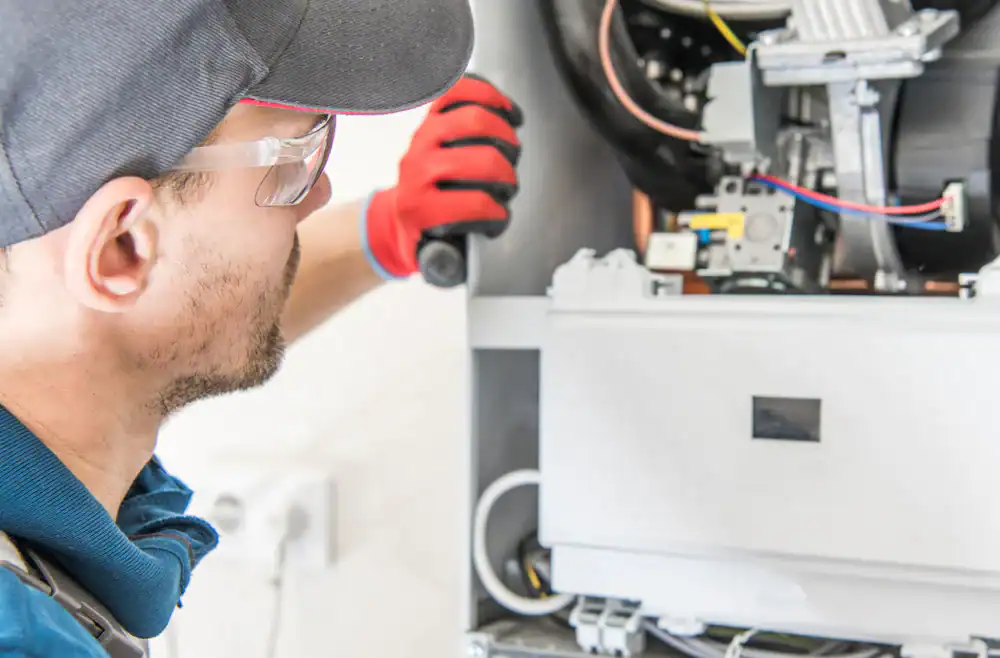
Boiler inspections go beyond visual checks. When we service systems, we test pressure and temperatures, inspect heat exchangers and burners, check safety controls, look for leaks and corrosion, verify pilot or ignition systems, and run systems through full operation cycles to observe load behavior.
For steam systems specifically, this includes checking water levels, evaluating steam trap functions, inspecting air vents, and assessing system balance. These details separate thorough inspections from cursory glances, remaining vital for Essex County older housing stock.
How Do I Know If My Boiler Is Safe To Run This Winter?
This question underlies many homeowner inquiries. Beyond confirming operation, verifying safety is crucial, especially for buyers inheriting boilers with unknown service histories in older Essex County homes.
Boilers can appear operational while presenting safety concerns. Cracked heat exchangers, for instance, allow combustion gases, including carbon monoxide, to enter living spaces without triggering performance symptoms. Boilers heat houses and display normal pressures while hidden heat exchanger compromises pose serious hazards.
Similarly, gas boilers with yellow or orange flames instead of blue signal incomplete combustion requiring burner attention. Untested pressure relief valves may fail when needed. Professional inspections catch these hazards, which homeowners checking basements pass over.
New Jersey regulates boiler safety through the Mechanical Inspection Bureau of Boiler and Pressure Vessel Compliance, providing over 110 years of state-level oversight. Unmaintained boilers carry risks, requiring valid New Jersey HVACR licenses and permits for all installation and repair contractors. We hold New Jersey HVACR License #19HC00022600, verifiable through the New Jersey Division of Consumer Affairs, and pull all required permits.
Should I Repair My Old Boiler Or Replace It?
Homeowners dread this question given high financial stakes, but practical guidelines help.
Cast-iron boilers are durable, with some lasting 50 years or more with proper maintenance. Well-maintained systems showing no structural failure warrant repair when fixes target specific problems. Replacement is unnecessary simply due to age.
However, age and efficiency matter. Boilers aged 30 or 40 years operating at reduced efficiency increase seasonal heating costs. A common framework multiplies boiler age by estimated repair costs; when totals exceed $5,000, replacement often makes more financial sense than continuous repairs.
Homeowners in Bloomfield, Belleville, Nutley, or older West Orange neighborhoods dealing with repeatedly repaired, struggling boilers benefit from evaluating replacement options before winter. We also perform oil-to-gas conversions for homes running aging converted infrastructure.
If repairs suffice, we state that clearly. Operating in Essex County since 1973, our reputation relies on direct answers rather than equipment sales.
Getting Your Essex County Boiler Ready Before The Cold Season Hits
The window between late summer and the first real cold snap is ideal for boiler evaluations, offering maximum flexibility. Technician availability is higher, scheduling occurs on your terms, and addressing issues avoids the pressure of cold houses.
If systems generate unfamiliar sounds, heat unevenly, or lack recent professional service, scheduling inspections is wise, particularly in older Essex County communities with uncertain maintenance histories.
We have serviced boilers in Essex County and Northern New Jersey since 1973. If you seek transparent answers regarding system needs, give us a call.
Article details:
- Published by:
- Adriatic Aire LLC
- Published to:
- Last modified:
- September 10, 2026
Share:
Continue learning: