
Furnace Replacement in Glen Ridge, NJ
Glen Ridge Homes Are Old. Your Heating System Might Be Too.
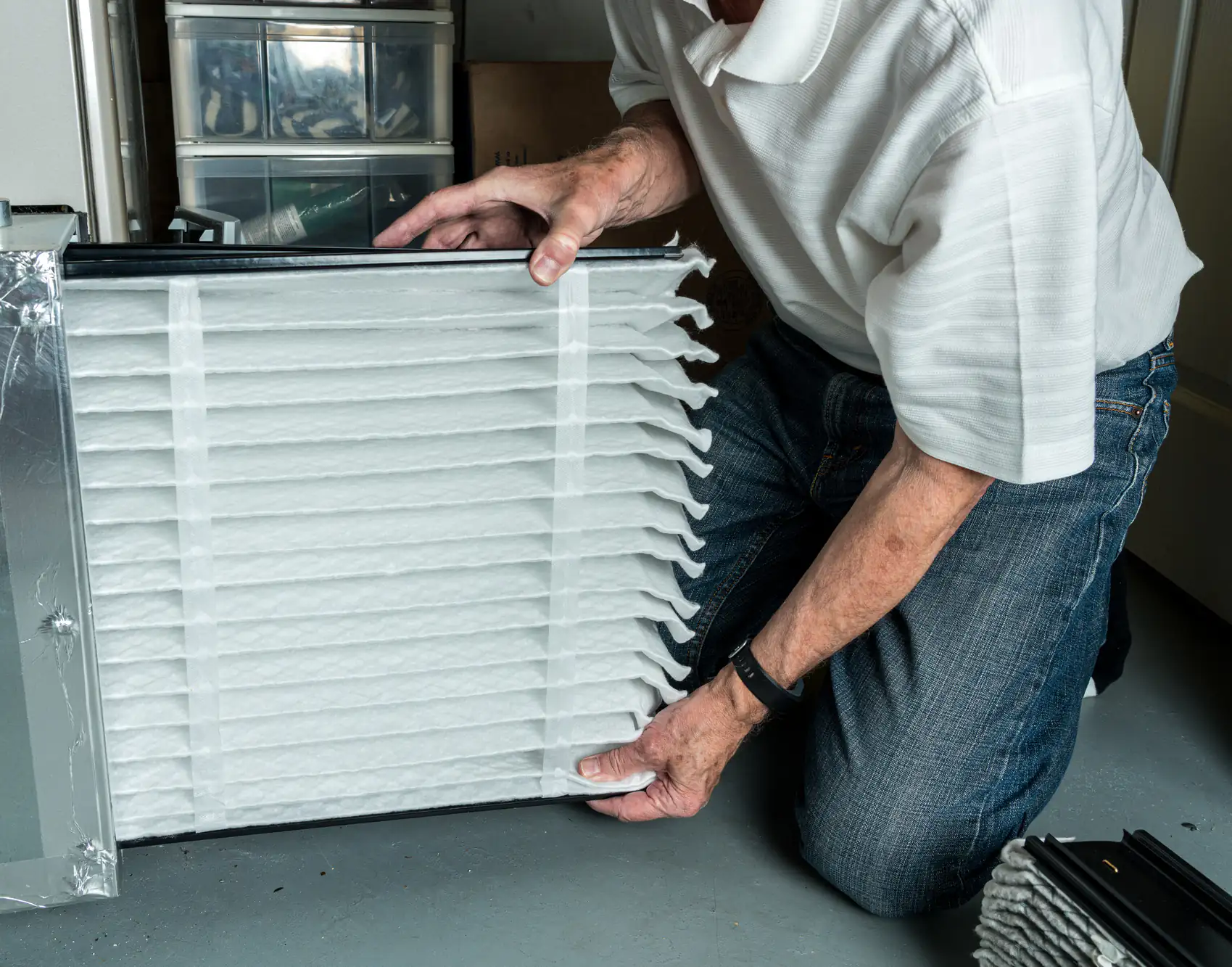
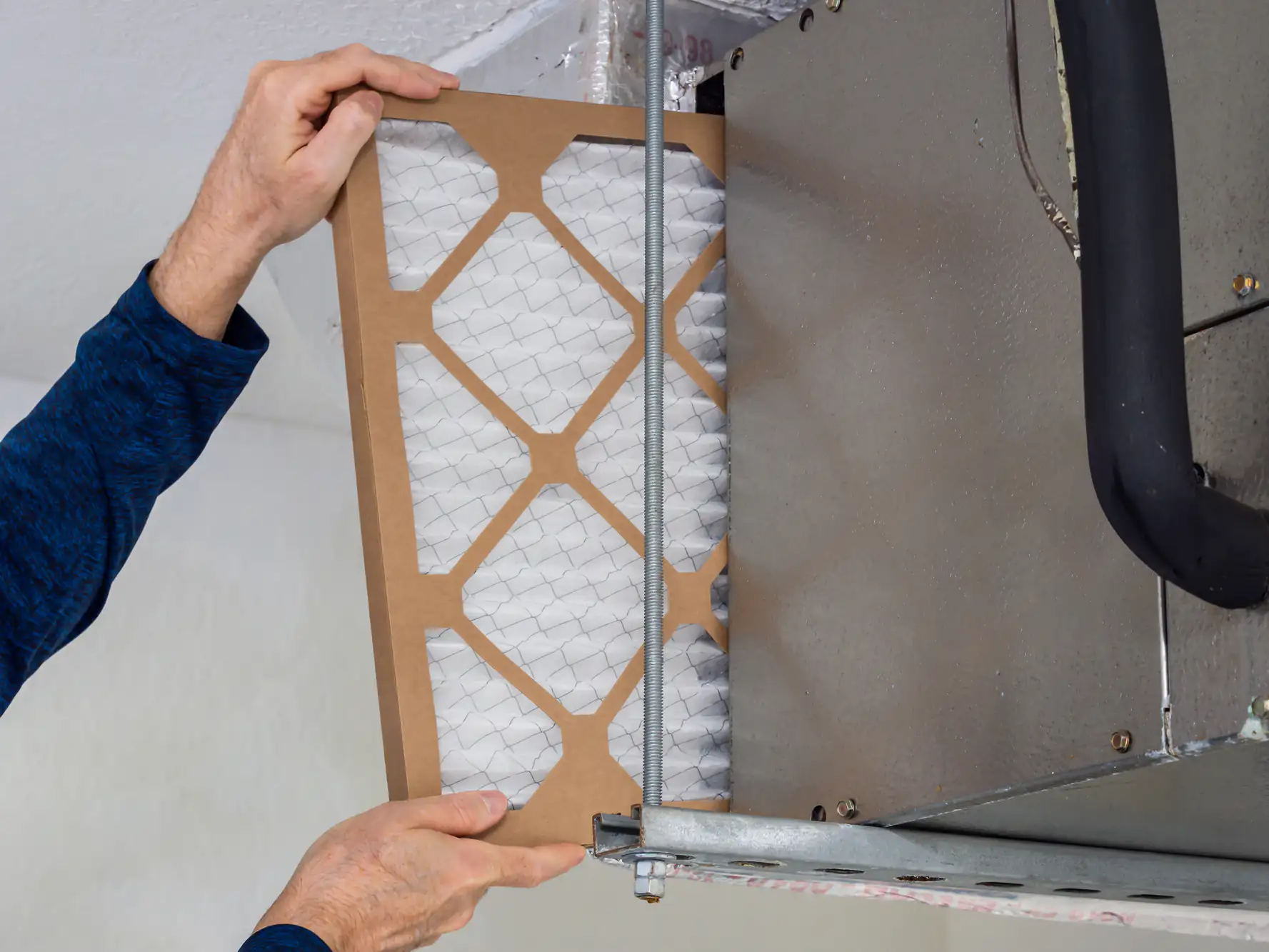
Gas Furnace Replacement, Glen Ridge NJ
When your furnace goes out in Glen Ridge in January, you’re not dealing with a minor inconvenience. Temperatures here regularly drop into the mid-20s, and a pre-1940 home with original radiator infrastructure and no backup heat can get cold fast. A properly sized, properly installed replacement furnace changes that reliably, season after season, without the anxiety of wondering whether tonight is the night it finally quits.
Beyond warmth, there’s the financial side. An aging furnace running at degraded efficiency costs more to operate every single month. Replacing it with a modern high-efficiency system particularly in a home that sees real winters pays back faster than most homeowners expect. In a borough where the median home value has crossed $1.3 million, a functioning, modern heating system isn’t just a comfort issue. It’s a maintenance issue that affects the long-term value of a significant investment.
Glen Ridge’s housing stock also means the job isn’t always straightforward. Victorian and Tudor Revival homes come with masonry chimneys, original flue systems, and irregular floor plans that require a contractor who’s actually worked in these buildings before not someone who showed up on a directory list.
HVAC Furnace Replacement, Essex County NJ
We’ve been doing HVAC work in Essex County since May 15, 1973. That’s not a round number chosen for marketing it’s our founding date. We’re still family-owned and operated by the Pucci family, and Ross Pucci still takes calls himself, including on holidays. That kind of continuity is genuinely rare in this industry.
Glen Ridge sits directly on our home turf. We’re based in Bloomfield, which shares a border with Glen Ridge to the north and east. These aren’t distant service calls this is the neighborhood. We’ve been working in the same older Essex County homes, with the same aging heating systems, for over five decades.
Our credentials are real and publicly verifiable: NJ HVACR Contractor License #19HC00022600 and Home Improvement Contractor Registration #13VH05686500, both searchable on the NJ Division of Consumer Affairs website. Add 500+ Google reviews at a 5.0 rating and five consecutive years of HomeAdvisor Screened and Approved status, and you have a track record that speaks for itself.
Furnace Replacement Service, Glen Ridge NJ
It starts with a conversation, not a sales pitch. When you call, you’ll talk through what’s happening with your system how old it is, what it’s been doing, whether it’s been repaired recently. If replacement is the right call, we’ll tell you. If it isn’t, we’ll tell you that too. The honest repair-versus-replace conversation is something reviewers bring up again and again, and it’s the reason a lot of Glen Ridge homeowners call back when they do eventually need a full replacement.
Once replacement is confirmed, the process moves quickly. A free estimate gives you a clear number before any work begins. For most residential jobs, the installation itself takes between four and ten hours and is completed in a single day. In Glen Ridge, that also means pulling the proper building permit the borough explicitly requires permits for HVAC and boiler work, and we handle that as part of the job. In a community where over 90% of properties fall within the Glen Ridge Historic District, working with a contractor who follows the permitting process isn’t just good practice it protects you at resale and during any future inspections.
If your home uses a steam or hot-water boiler rather than a forced-air system, or if you’re still on oil heat and considering a conversion to gas, that’s a conversation worth having during the estimate as well.
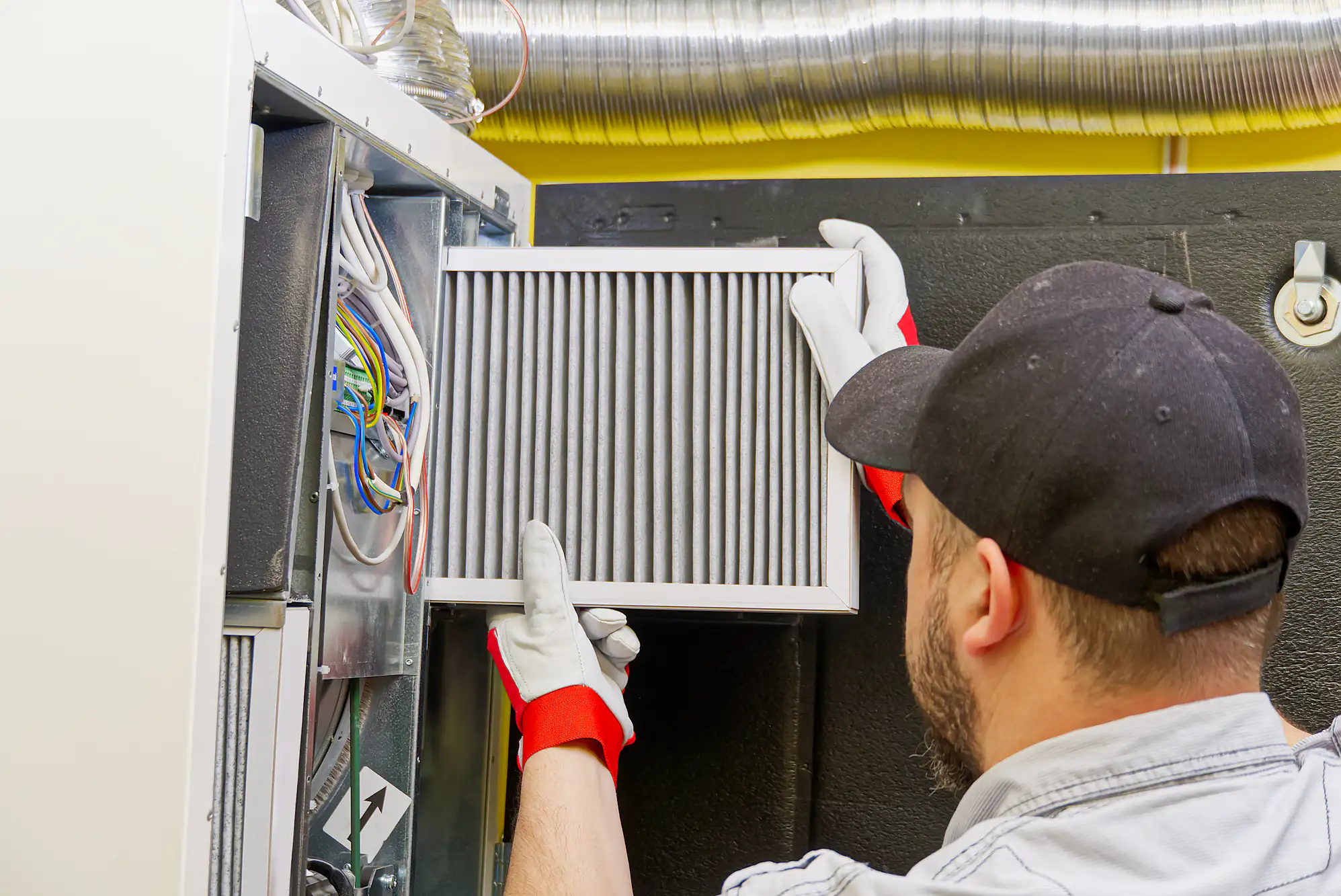
Ready to get started?
HVAC and Furnace Replacement Cost, Glen Ridge NJ
Furnace replacement in New Jersey runs higher than national averages typically 25 to 40 percent higher, according to industry data. For a standard gas furnace installation in a home like the ones found throughout Glen Ridge, the realistic installed range is $3,500 to $7,000. More complex installs older homes with ductwork complications, masonry chimney transitions for high-efficiency venting, or whole-system replacements that include AC can run $8,000 to $12,000 or more for a typical home. Northern Essex County, including Glen Ridge, sits at the top of the state’s labor rate range.
What’s included in the job matters as much as the number. A proper furnace replacement covers the equipment itself, installation labor, haul-away of the old unit, and a ductwork inspection to confirm the new system will actually perform the way it should. High-efficiency condensing furnaces those rated 90% AFUE or above require PVC venting rather than traditional metal flue venting. In a Glen Ridge Victorian or Tudor Revival home with an existing masonry chimney, that transition requires careful planning to route correctly without compromising the structure or creating any exterior changes that would need Historic Preservation Commission review.
We service all major brands, including Trane, Lennox, Weil-McLain, and Utica, so whatever system is currently in your home isn’t a barrier to getting started. Financing is available through FTL Finance for homeowners who’d rather spread the cost of an unexpected replacement.
Do I need a permit for furnace replacement in Glen Ridge, NJ?
Yes the Borough of Glen Ridge explicitly requires a building permit for HVAC and boiler installations. This is consistent with New Jersey’s Uniform Construction Code, which mandates permits and inspections for major mechanical work statewide, but Glen Ridge also has its own layer of consideration: more than 90% of the borough falls within the Glen Ridge Historic District, listed on both the New Jersey Register of Historic Places and the National Register of Historic Places.
The Historic Preservation Commission’s primary concern is exterior changes and visual impact on the streetscape, so a furnace replacement that stays entirely internal new unit in the basement, no exterior modifications typically doesn’t require HPC review beyond the standard building permit. However, if your replacement involves exterior venting modifications, new penetrations visible from the street, or equipment placement outside the home, that could trigger HPC review. A contractor who pulls permits and understands the local regulatory environment protects you from compliance problems that surface at resale or during refinancing. We handle permitting as part of the job it’s not an add-on or an afterthought.
How do I know if my Glen Ridge home needs furnace replacement or just a repair?
The honest answer is that it depends on a few specific factors, and a contractor who immediately recommends replacement without walking through them isn’t giving you a fair assessment. The most useful framework is what the industry calls the $5,000 rule: multiply the age of your system by the estimated repair cost. If that number exceeds $5,000, replacement is typically the smarter financial decision. If you’ve had three or more repairs in the past three years, that’s another strong signal.
For Glen Ridge homeowners specifically, the housing stock adds context. If your home was built before 1940 which describes the majority of properties in this borough there’s a good chance your furnace has already been replaced at least once. Any system installed in the late 1990s or early 2000s is now 20 to 25 years old, which is at or past the typical 15 to 20 year lifespan for a gas furnace. A cracked heat exchanger is one scenario where replacement becomes urgent regardless of age it’s a carbon monoxide risk, and a furnace with a cracked heat exchanger should not continue operating. We give you an honest read on the situation before recommending anything.
How long does furnace replacement take, and will it be done in one day?
For most residential furnace replacements, the installation itself takes between four and ten hours. The majority of jobs are completed within a single day. What affects the timeline is the complexity of the installation straightforward swaps in homes with accessible equipment and existing ductwork in good condition are on the shorter end. Homes with more complexity, like the older Victorian and Tudor Revival properties common throughout Glen Ridge, can take longer depending on what’s involved.
In Glen Ridge specifically, high-efficiency furnace installations that require transitioning from traditional metal flue venting to PVC venting add some planning and labor time, particularly when the existing system runs through a masonry chimney. Ductwork that needs repair or modification before the new unit is connected also extends the timeline. We’ll give you a realistic picture of what to expect for your specific home during the estimate, not a generic timeframe that doesn’t account for what’s actually there.
My Glen Ridge home is still on oil heat is converting to gas worth it?
For many Glen Ridge homeowners still on oil heat, the answer is yes and it’s worth a real conversation during any furnace estimate. Pre-1950 homes across Essex County were frequently built with oil heating systems, and a meaningful number have never been converted. Natural gas service from PSE&G is available throughout Glen Ridge, which means the infrastructure to support a conversion is already in place.
The practical case for converting is straightforward: oil delivery logistics, price volatility, and the ongoing maintenance demands of aging oil equipment are frustrations that gas systems simply don’t have. A modern gas furnace is cleaner, more efficient, and significantly easier to maintain. The upfront cost of an oil-to-gas conversion is higher than a straight furnace replacement, but the long-term operating cost difference often makes up the gap within a few years particularly in a climate like Glen Ridge’s, where the heating season runs from November through March. We specifically offer oil-to-gas conversion as a service and can walk you through what the process involves for your home during the estimate.
Should I replace just the furnace, or the furnace and AC at the same time?
If your air conditioning system is also aging, replacing both at the same time often makes financial sense not because it’s a larger sale, but because the labor overlap is significant. A contractor is already working on your HVAC system, and combining both replacements in one visit reduces the total labor cost compared to two separate jobs. There’s also a performance argument: matched systems a furnace and AC unit designed to work together tend to operate more efficiently and last longer than mismatched equipment installed years apart.
The practical question is how old your AC system is. If it’s under ten years old and running well, replacing it at the same time as the furnace is probably premature. If it’s 15 years or older, or if it’s been repaired recently, the combined replacement conversation is worth having. For Glen Ridge homeowners dealing with an unexpected furnace failure in winter, this might not be the moment to tackle both but it’s a question we can help you think through honestly during the estimate rather than defaulting to the larger job automatically.
How do I find a licensed HVAC contractor for furnace replacement near Glen Ridge?
In New Jersey, any contractor performing furnace replacement or HVAC work is legally required to hold an NJ HVACR Contractor License issued by the State Board of Examiners within the NJ Division of Consumer Affairs. Individual technicians cannot perform this work independently they must work under a licensed contractor. This isn’t a technicality; it’s a meaningful protection for homeowners, because unlicensed operators often skip permits, which creates real liability especially in a borough like Glen Ridge where building permits are required and where unpermitted work in a historic district home can surface as a serious problem during resale or refinancing.
The fastest way to verify any contractor is to look up their license on the NJ Division of Consumer Affairs website before booking. Our license number is #19HC00022600 look it up. We also hold Home Improvement Contractor Registration #13VH05686500. Both are publicly searchable. Beyond licensing, review volume and rating matter: 500 reviews at a 5.0 average reflects a pattern, not a lucky streak. For a community as tight-knit and reputation-conscious as Glen Ridge, that kind of track record carries real weight.
Other Services we provide in Glen Ridge