
AC Installation in Glen Ridge, NJ
Historic Homes Here Deserve More Than a Standard Install
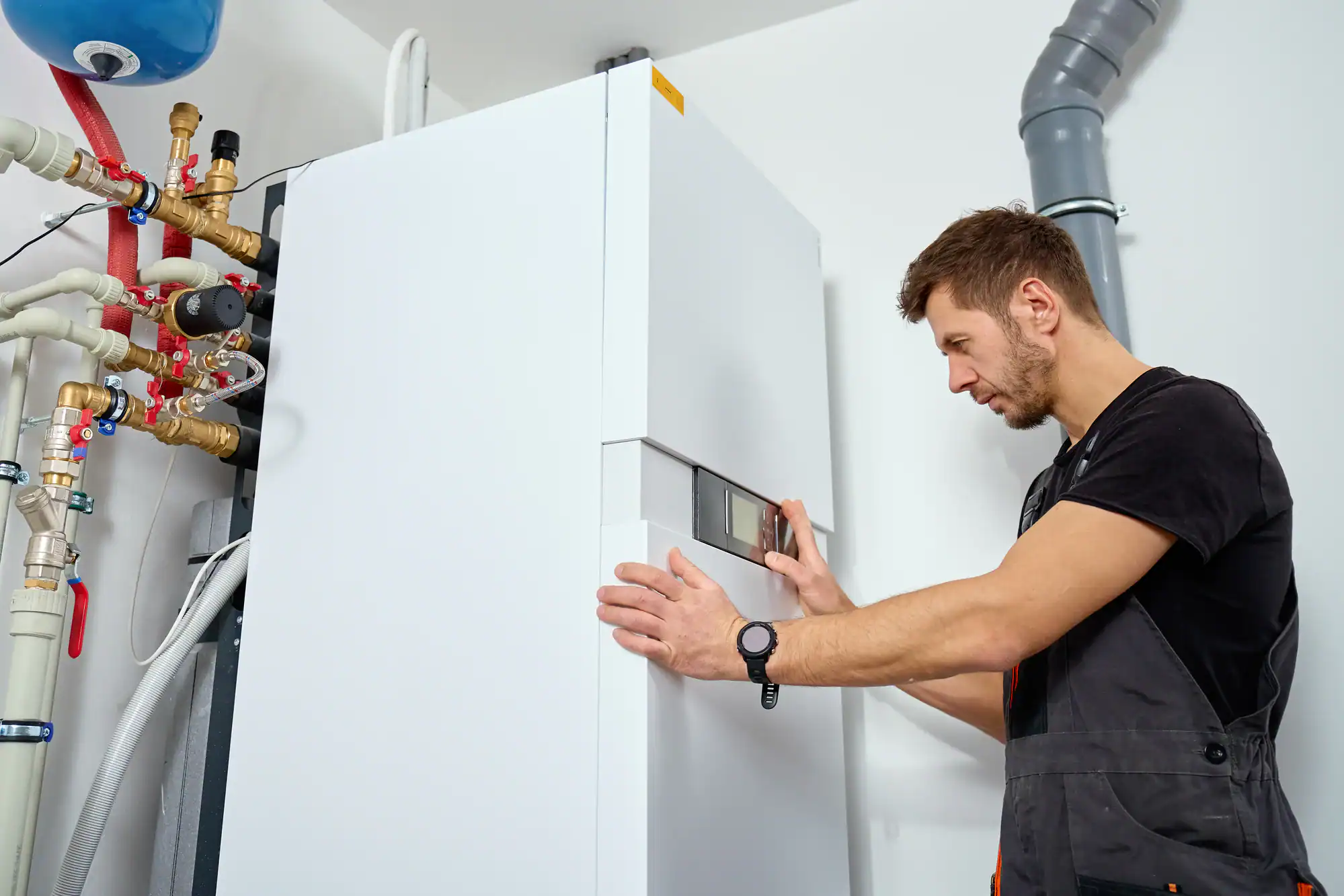
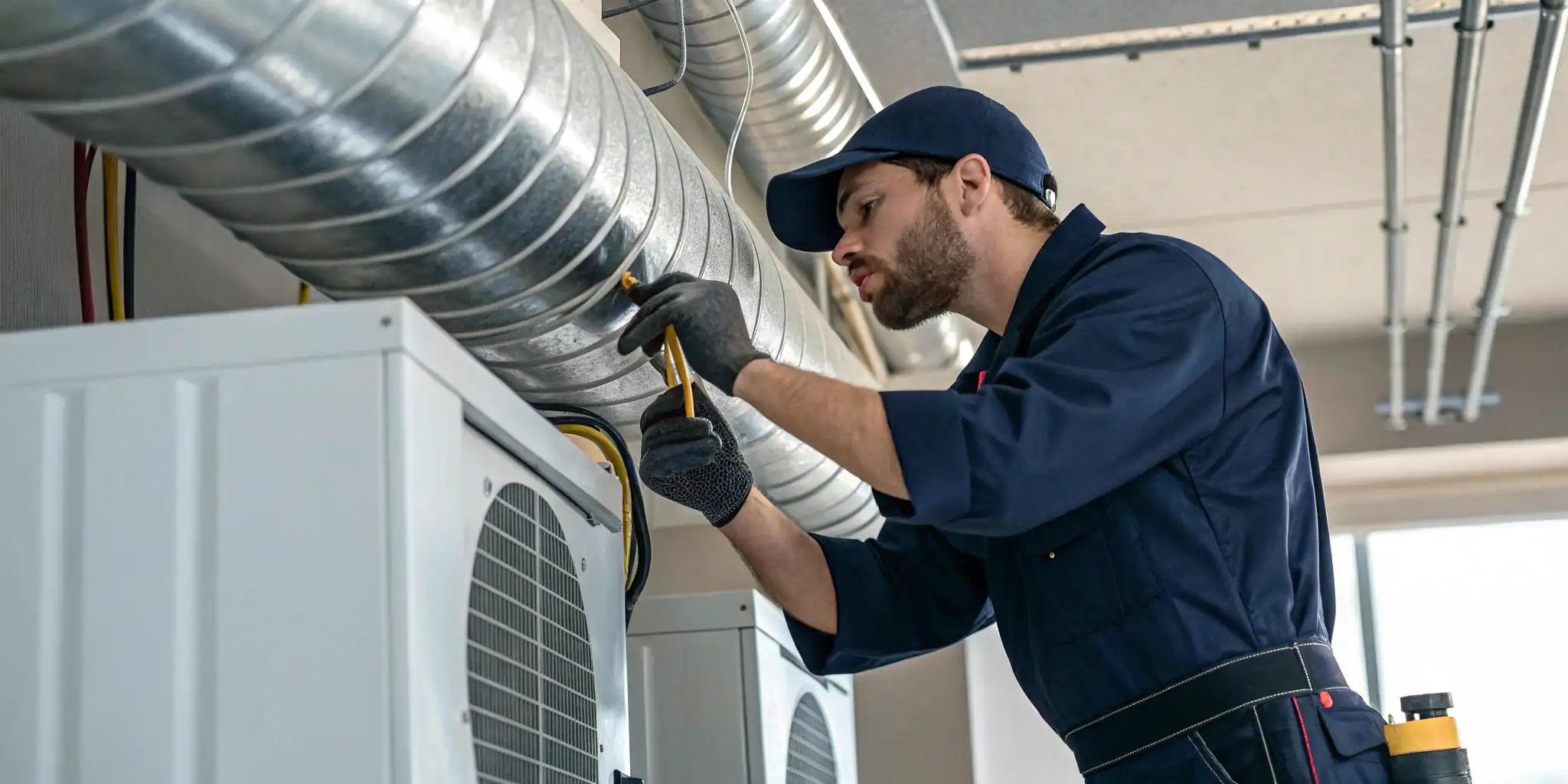
Central Air Installation Glen Ridge
When your AC system actually works and works well summer in Glen Ridge stops being something you endure. The humidity that climbs into the 70s, the heat that settles into the upper floors of a Victorian with no insulation buffer, the afternoons where the upstairs becomes genuinely uncomfortable all of that changes. You stop managing the heat and start ignoring it.
For homes in Glen Ridge specifically, getting this right matters more than it does in newer construction. Most of the housing stock here was built between 1870 and 1940. These homes were designed for radiator heat and natural ventilation, not forced air. That means the path to real, whole-home comfort usually looks different here than it does in a post-war suburb and a contractor who doesn’t understand that will either undersize the system, route ductwork poorly, or recommend equipment that doesn’t fit the home.
When it’s done correctly, you get consistent temperatures throughout the house, lower energy bills compared to an aging or oversized unit running constantly, and a system that doesn’t require attention every summer. That’s the outcome. Not a sale a home that works.
HVAC Contractor Glen Ridge NJ
We’ve been family-owned and operating in the Essex County area since 1973. That’s over five decades of working in homes across Montclair, Glen Ridge, Bloomfield, and the surrounding towns including the pre-war Victorians and Edwardians that define this borough. Our technicians know what it looks like inside a mechanical room built in 1922. They’ve seen the undersized ductwork, the old boiler setups, the electrical panels that need attention before a modern system can even be installed.
Our 5.0-star rating across more than 500 Google reviews isn’t something that happens by accident, and it isn’t something that holds at that volume unless the work is consistently right. We’re also HomeAdvisor Screened and Approved five consecutive years which means licensing, insurance, and background checks are verified, not assumed. When you invite a contractor into a home worth over a million dollars in Glen Ridge, that accountability matters.
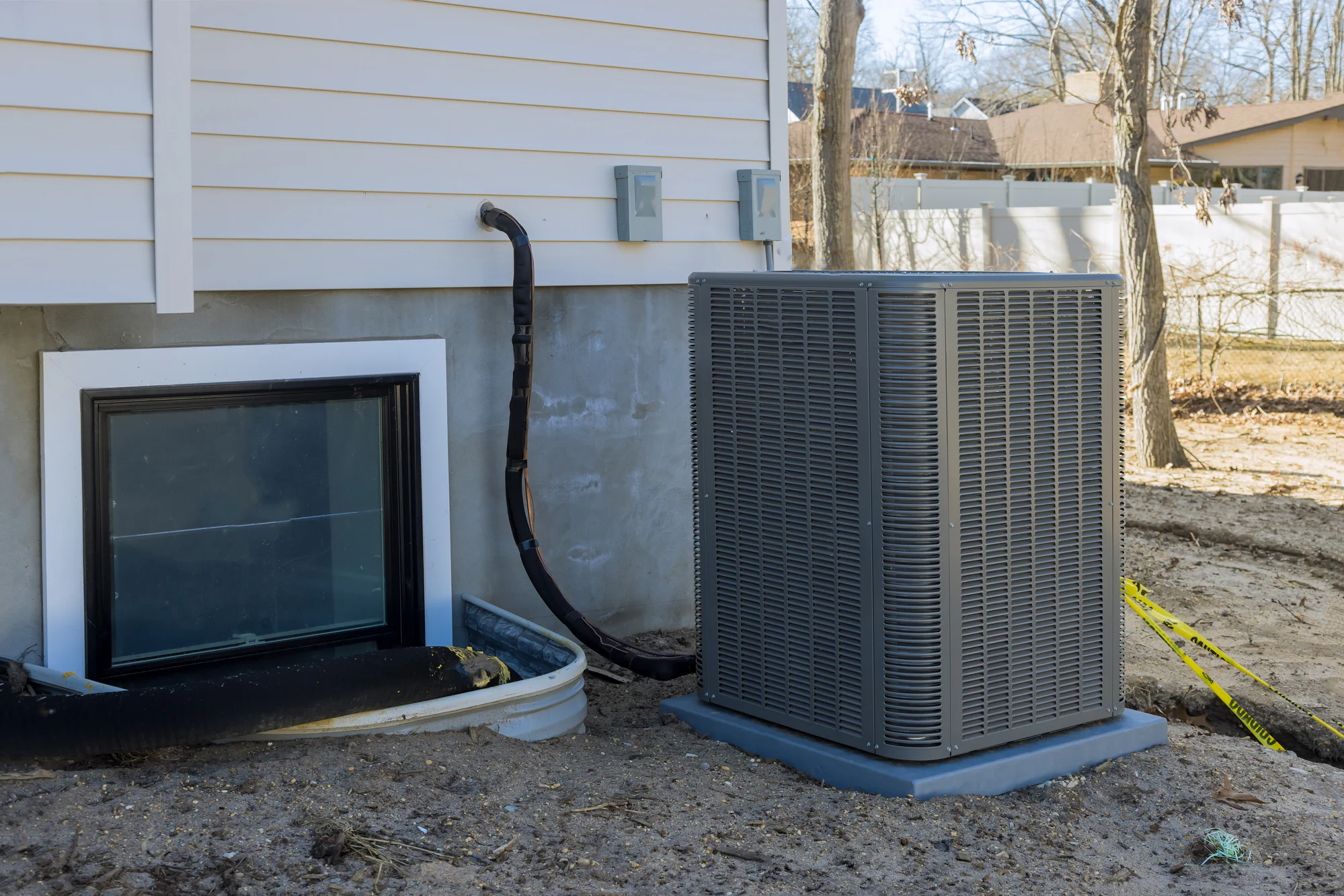
Air Conditioner Installation Glen Ridge NJ
It starts with a free estimate. One of our technicians comes out, walks the home, and assesses what you’re actually working with existing ductwork or none, the age and condition of the current system, the layout of the house, and what cooling load the space actually requires. For a lot of Glen Ridge homes, this assessment is where the real conversation happens, because the right answer isn’t always central air. In a home with no existing ductwork and plaster walls throughout, a ductless mini-split system is often the more practical, less invasive, and more efficient path.
Once the right system is identified, we handle the permitting. Under New Jersey’s Uniform Construction Code, a building permit is required for any new AC installation or system replacement and in Glen Ridge, if any exterior work is involved, that may also mean coordinating with the Historic Preservation Commission’s Certificate of Appropriateness process. Condenser placement, line set routing, exterior wall penetrations these all need to be handled thoughtfully in a borough where over 90% of the housing stock sits within a National Register Historic District. A contractor who skips this step creates problems for you down the road.
Installation is scheduled, the work gets done, and before our technician leaves, the system is tested and you understand how to operate it. No handoff without a walkthrough.
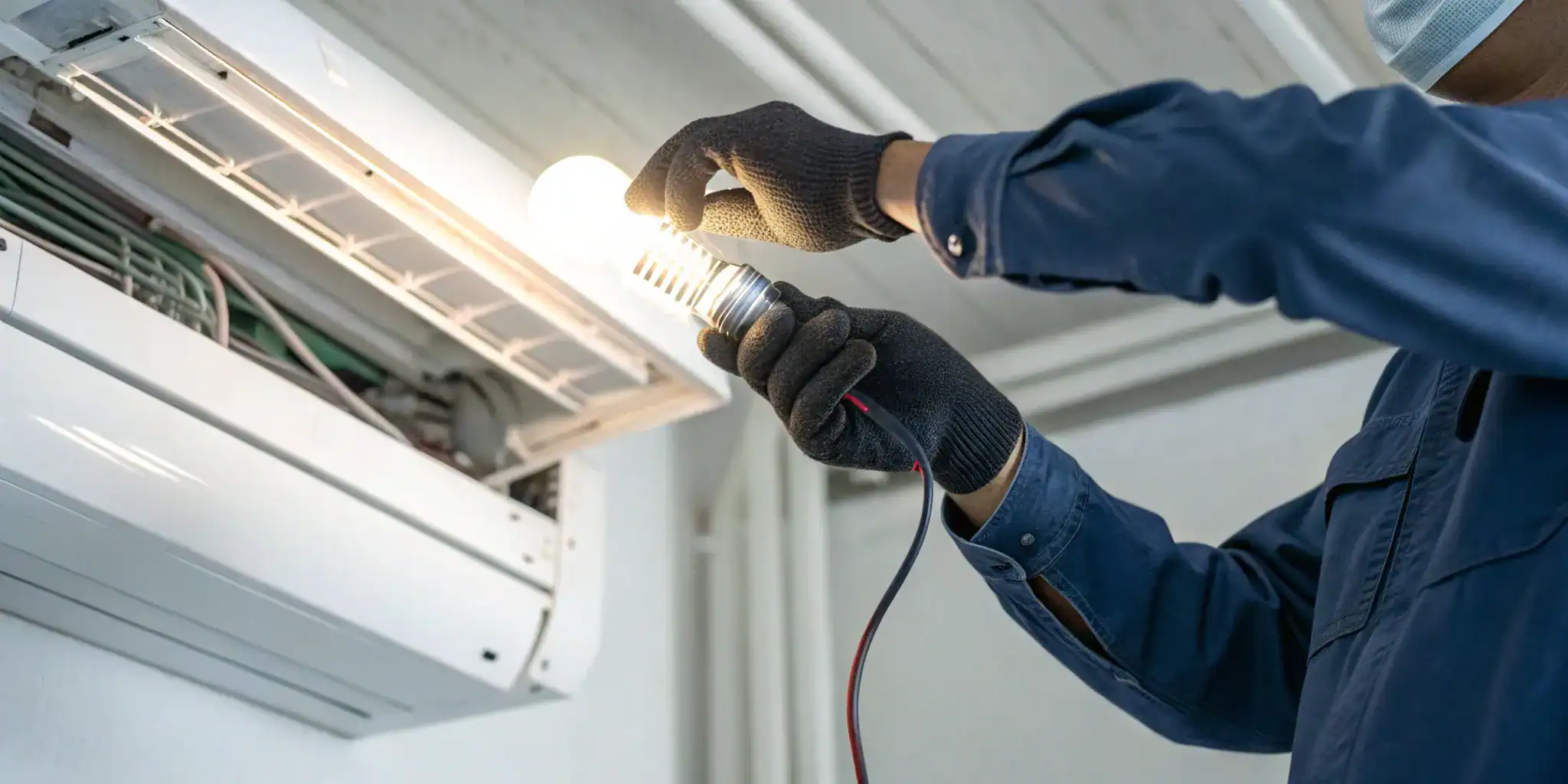
Ready to get started?
Ductless HVAC System and Central AC Glen Ridge
We install and replace central air conditioning systems and ductless mini-split HVAC units and we service all major brands, including Trane, Lennox, Carrier, Rheem, Goodman, Weil-McLain, and Utica. Because we’re not locked into pushing one manufacturer’s equipment, the recommendation you get is based on what actually fits your home, not what generates the best dealer margin.
For Glen Ridge homeowners weighing their options, the ductless route deserves a real look. Mini-split systems require only a small penetration through an exterior wall for the refrigerant line no tearing into plaster ceilings, no routing ductwork through finished walls, no structural disruption to a home you’ve invested in. They can be configured as single-zone systems for a specific room or as multi-zone setups that cover the whole house. For a three-story Victorian on Forest Avenue or a Colonial near the Ridgewood Avenue train station, that flexibility is often exactly what the home needs.
If central air is the right call and for some homes it is we handle the full installation, including ductwork where it doesn’t exist. New Jersey requires a minimum SEER2 rating of 13.4 for new installations, and upgrading from an older 8 or 9 SEER unit to a modern high-efficiency system can make a measurable difference in your monthly energy costs. Free estimates are available, so there’s no cost to finding out what your home actually needs before you commit to anything.

Do I need a permit for AC installation in Glen Ridge, NJ?
Yes under New Jersey’s Uniform Construction Code, a building permit is required for any new air conditioning installation or system replacement. This applies whether you’re installing central air for the first time, replacing an existing unit, or adding a ductless mini-split system. The permit process ensures the work meets state code, and it protects you legally and financially unpermitted HVAC work can void manufacturer warranties and create complications when you sell the home.
In Glen Ridge specifically, there’s an additional layer to be aware of. Because more than 90% of the borough falls within the Glen Ridge Historic District, any exterior work including where the condenser unit is placed, how the line set is routed, and whether any penetrations are visible from the street may require review by the Historic Preservation Commission and a Certificate of Appropriateness before work begins. We’re familiar with Glen Ridge’s historic district requirements and factor this into the planning from the start, not after the equipment is already on order.
What does AC installation typically cost in Glen Ridge, NJ?
The national average for central AC installation runs around $6,000, but Glen Ridge homeowners should expect to pay above that range. Labor rates in Northern New Jersey particularly in Essex County run 20 to 30 percent higher than state averages, driven by proximity to New York City and the general cost of doing business in this market. For a straightforward central air installation in a home with existing ductwork, you’re likely looking at $7,000 to $10,000 or more depending on the system and the scope of work.
For homes without existing ductwork which describes a significant portion of Glen Ridge’s pre-war housing stock adding ductwork to a Victorian or Edwardian home can add $4,000 to $8,000 or more on top of the equipment and installation cost. In many cases, a ductless mini-split system ends up being the more cost-effective path, with multi-zone installations typically ranging from $5,000 to $12,000 depending on the number of zones and the complexity of the install. The best way to get a real number for your specific home is a free on-site estimate there are too many variables in a pre-war Glen Ridge home to quote accurately without seeing it.
Is a ductless mini-split a good option for older homes in Glen Ridge?
For most of the homes in Glen Ridge, it’s worth taking seriously. The borough’s housing stock is almost entirely pre-World War II construction homes built between the 1870s and 1940s that were never designed for central air. Many have no ductwork at all, and those that do often have systems that are undersized, leaky, or routed in ways that don’t translate well to modern cooling demands. Retrofitting a full central air system into a Victorian with plaster walls and balloon framing is doable, but it’s expensive and invasive.
A ductless mini-split requires only a small hole through an exterior wall for the refrigerant line. There’s no need to open up ceilings or walls, which matters a lot in a home with original plaster and millwork you don’t want disturbed. Multi-zone systems let you cool specific areas of the house independently, which is actually more efficient than conditioning the whole home at once. For a three-story home where the upper floors heat up significantly in July and August, that kind of zone control makes a real difference both in comfort and in monthly energy costs.
How do I know if I should repair or replace my existing AC unit?
The honest answer is that it depends on the age of the system, the nature of the problem, and what the repair would actually cost relative to the system’s remaining useful life. A general rule of thumb: if the repair cost exceeds 50 percent of the cost of a new system, and the unit is already 10 to 15 years old, replacement usually makes more financial sense. But that calculation changes based on the specifics.
What you want is a contractor who will tell you the truth either way. We’ve documented cases where we recommended repair over replacement when it was the right call even when a replacement would have been a larger job. That matters in Glen Ridge, where homes are significant investments and HVAC systems aren’t cheap. If your system is an older unit running at a low SEER rating say, 8 or 9 replacing it with a modern system rated at 16 SEER2 or higher will produce real energy savings over time, especially in a large pre-war home with high cooling loads during Essex County summers. A free estimate gives you the information to make that call without any pressure attached.
How long does AC installation take for a home in Glen Ridge?
For a straightforward replacement swapping out an existing central air system where the ductwork is already in place installation typically takes one day. The equipment goes in, the system is tested, and you’re up and running the same day the crew arrives.
For a more complex installation, the timeline extends. Adding ductwork to a Glen Ridge home with no existing system can take several days depending on the layout and how the runs need to be routed through the structure. Ductless mini-split installations for a single zone can often be completed in a day, while a multi-zone system covering several floors of a larger Victorian may take two to three days. The permitting process adds time on the front end permit approvals in Glen Ridge go through the borough’s Building Department, and if the Historic Preservation Commission review is also required for exterior work, that needs to be factored into the scheduling. We handle the permitting process, so you’re not navigating that on your own.
When is the best time of year to schedule AC installation in Glen Ridge?
Spring is the best window March through May. We have more availability, lead times are shorter, and you’re not competing with everyone else in Essex County who waited until their system failed on the hottest day of July. Scheduling in the spring also means your home is ready before the humidity and heat arrive, rather than scrambling during a heat wave when installation crews are stretched thin and emergency premiums can add 15 to 25 percent to the total cost.
Early fall September through October is the second-best window for similar reasons. The demand pressure drops after Labor Day, availability opens up, and we can get the work done at a normal pace without the urgency tax. Glen Ridge summers have been trending hotter, and a home with three floors of pre-war construction and minimal insulation can reach genuinely uncomfortable indoor temperatures without functioning air conditioning. Getting the system in before you need it, rather than after it fails, is the practical move and it tends to be the less expensive one too.
Other Services we provide in Glen Ridge