
Heating Installation in Glen Ridge, NJ
Glen Ridge Homes Are Old. Your Heating Contractor Should Know That.
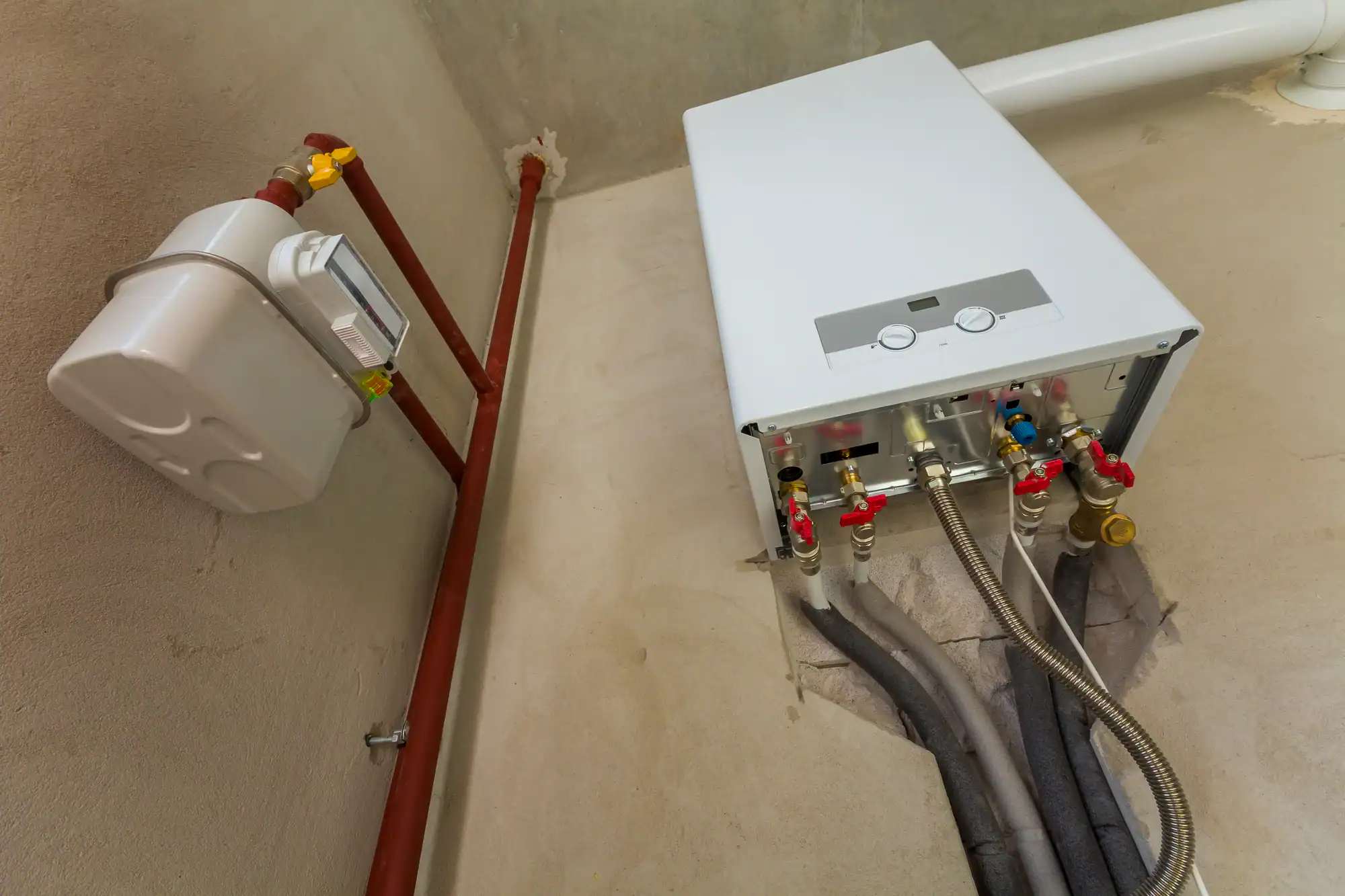
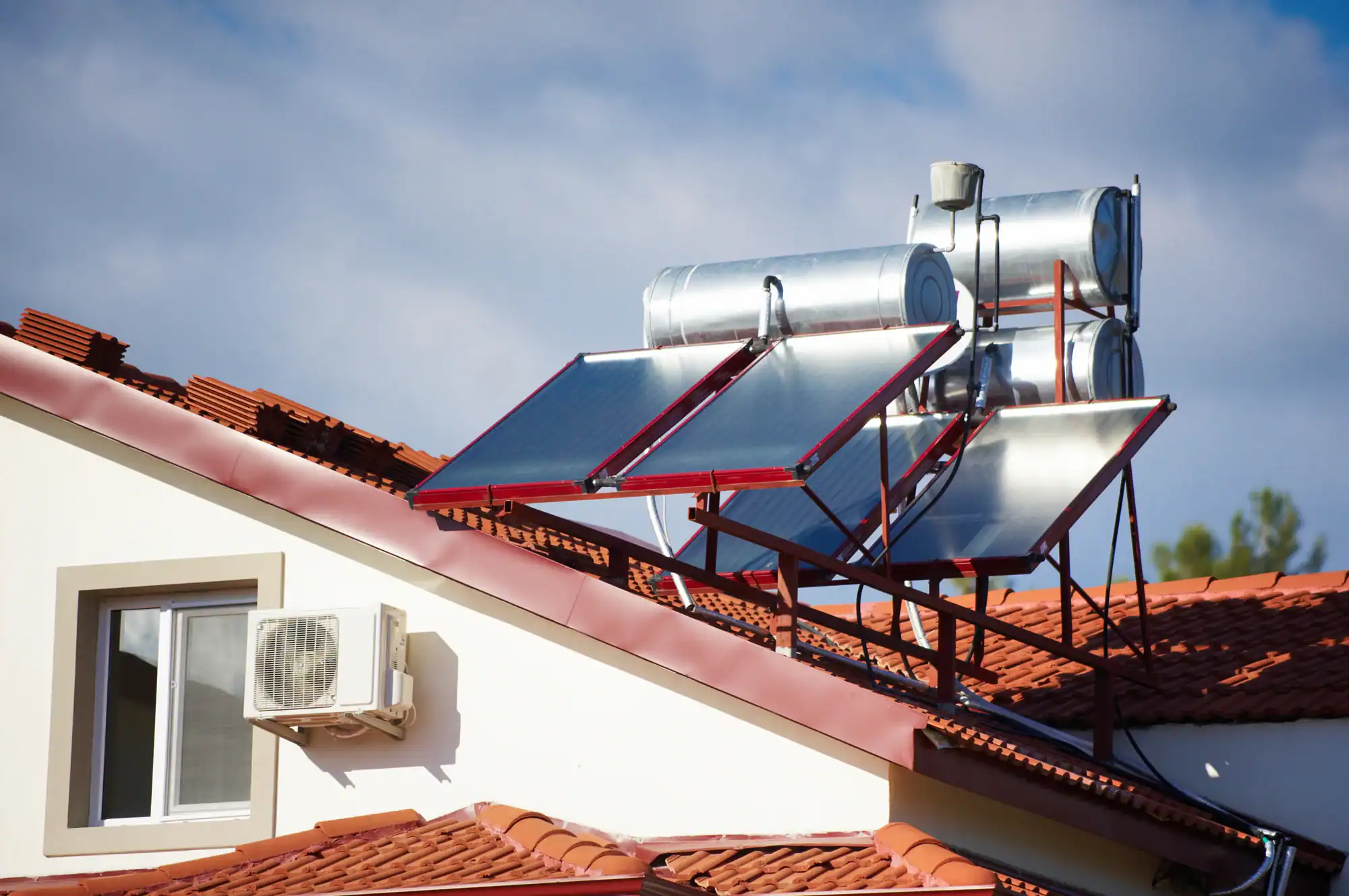
Boiler Installation Glen Ridge, NJ
When a heating system fails in a Glen Ridge Victorian or Tudor Revival, the house gets cold fast. High ceilings, original windows, minimal wall insulation these homes don’t hold heat the way a post-war ranch does. Getting the right system installed correctly the first time isn’t just about comfort. It’s about protecting a home that’s worth well over a million dollars and keeping the people inside it safe when January temperatures drop into the teens.
The right installation also means your system actually fits your home. A lot of Glen Ridge’s housing stock was built around steam boilers and hot water radiator systems not the forced-air setups that dominate newer suburbs. If you’ve got cast iron radiators and original copper piping, the sizing, configuration, and venting requirements are completely different. A contractor who only works on modern split-levels won’t catch that. One who’s been working in pre-war Essex County homes for over 50 years will.
And then there’s the oil question. A significant number of Glen Ridge’s oldest homes still run on oil-fired systems. If yours is one of them, a failing boiler isn’t just a repair decision it’s a conversion opportunity. Natural gas is available throughout the borough via PSE&G, and the long-term cost difference is real. Getting that conversion done correctly, with proper permits and a PSE&G inspection, sets you up for decades of more predictable heating costs.
Licensed Heating Contractor Glen Ridge, NJ
We’ve been serving Essex County since May 15, 1973. That’s not a tagline it’s a founding date. We’re family-owned and operated, headquartered in Montclair, which shares a direct border with Glen Ridge. When you call for heating installation in Glen Ridge, the response isn’t coming from a regional dispatch center two counties away. It’s coming from the next town over.
Ross Pucci, our owner, takes calls himself including evenings, weekends, and holidays. That’s been verified by customers in review after review, and it matters when your boiler stops working at 10 PM in February and you need a real answer, not a callback queue. We hold NJ HVACR License No. 19HC00022600, verifiable through the NJ Division of Consumer Affairs, and have been HomeAdvisor Screened and Approved for five consecutive years.
With 500-plus Google reviews at a 5.0 rating, the track record isn’t something you have to take on faith. You can look it up before anyone sets foot in your home.
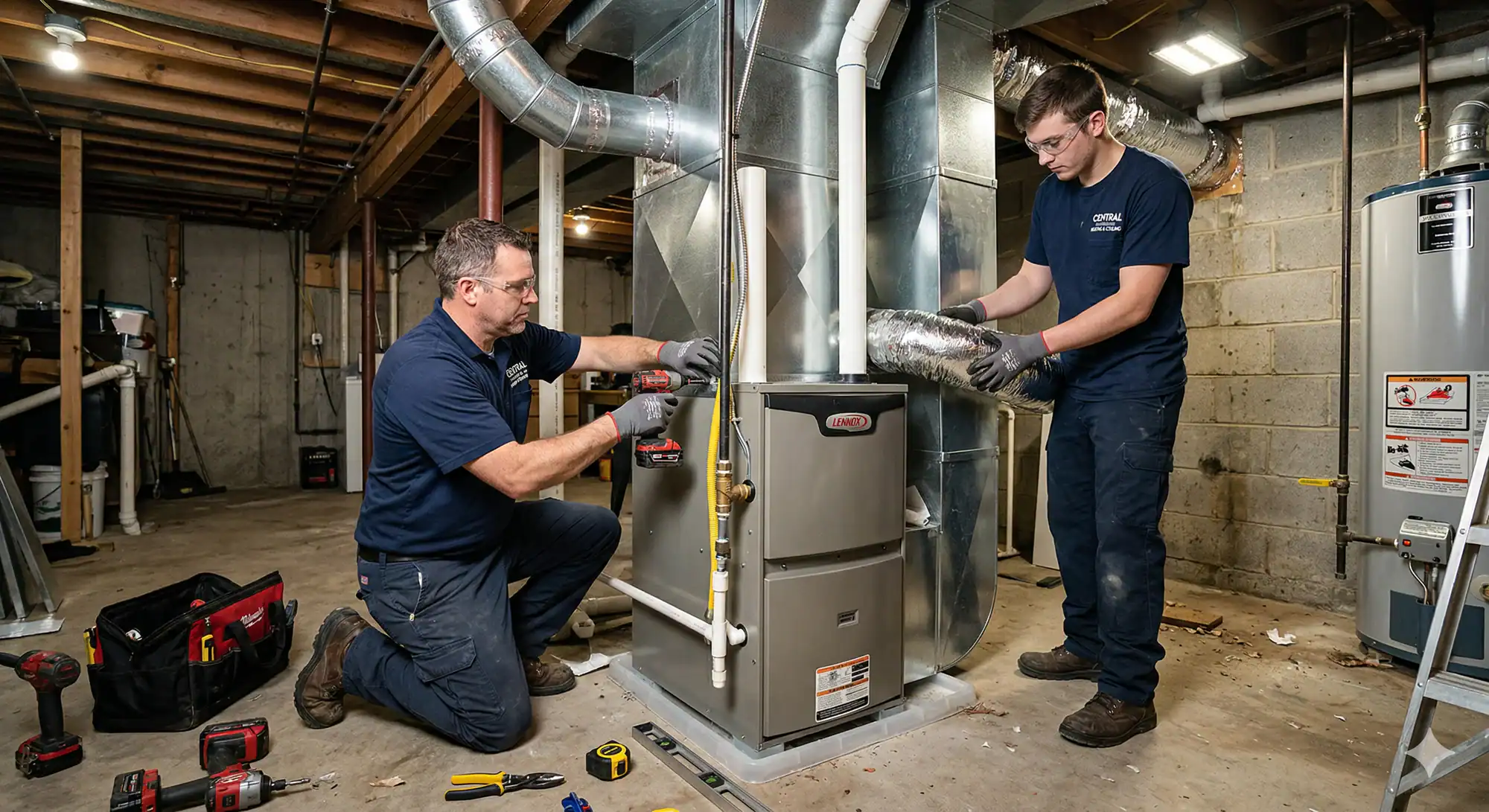
Heating System Replacement Glen Ridge, NJ
It starts with an honest assessment. Before any equipment is recommended, we diagnose the system what’s actually failing, how old the equipment is, what a repair would cost versus a replacement, and whether the current setup is even the right fit for your home. In Glen Ridge, where so many homes have steam or hot water boiler systems with radiator distribution, that assessment includes understanding how the existing piping and radiation are configured. Recommending a high-efficiency condensing boiler for a one-pipe steam system without accounting for the venting differences isn’t an upgrade it’s a problem waiting to happen.
Once the right system is identified, we handle the permitting. Under New Jersey’s Uniform Construction Code, most heating installations require a permit and a municipal inspection. If your project involves switching from oil to gas, there’s also a PSE&G inspection and coordination required for the gas line connection. Glen Ridge falls within PSE&G’s service territory, so that process is well-established. For homes within the borough’s historic district which covers most of Glen Ridge any exterior modification like a new venting penetration may also require review by the Historic Preservation Commission. That’s a step some contractors skip entirely, leaving homeowners exposed at resale. We don’t skip it.
After installation, we test the system, schedule the inspection, and give you a clear explanation of what was done and what to expect going forward. No vague handoff. No paperwork left for you to figure out on your own.
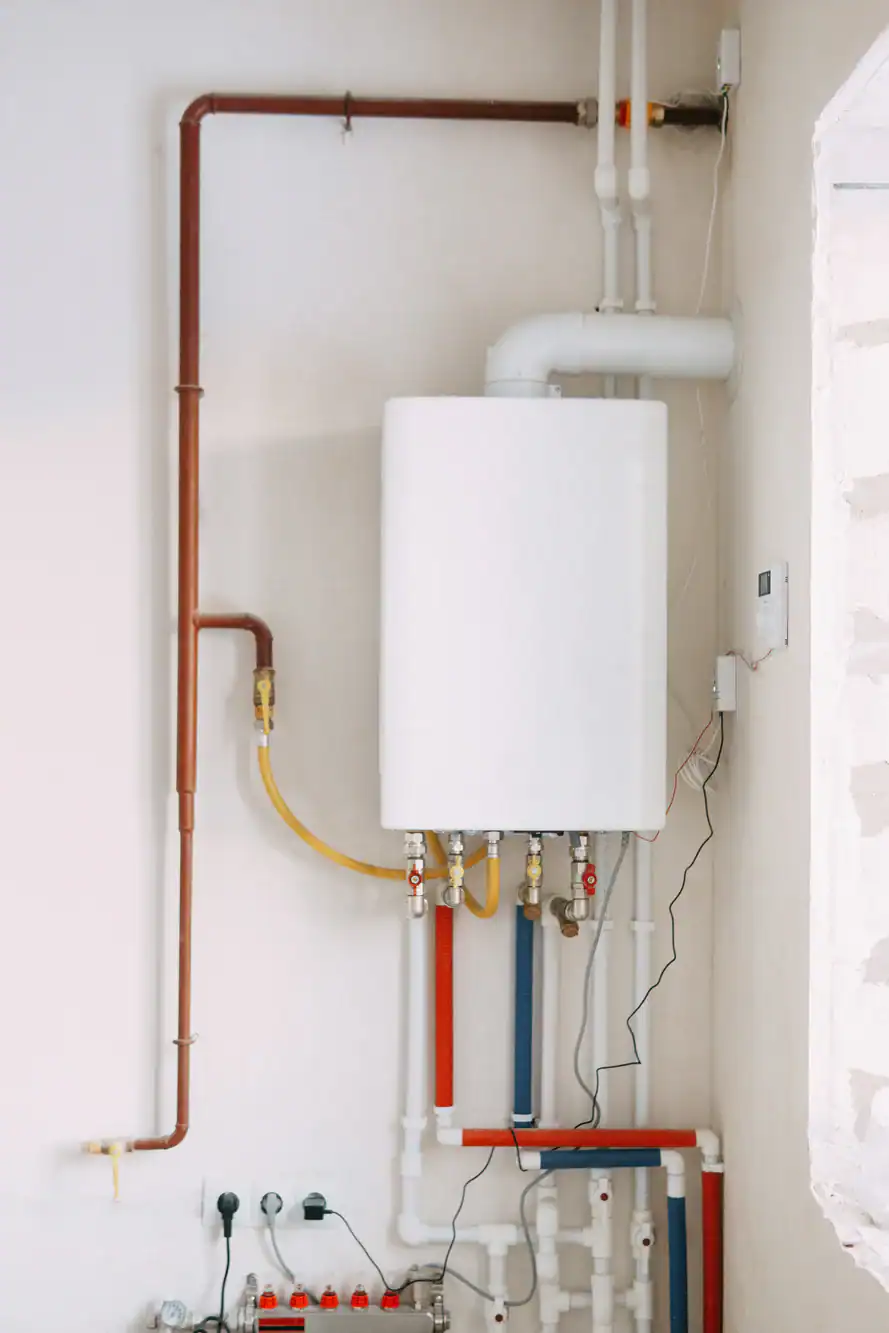
Ready to get started?
Oil to Gas Conversion Glen Ridge, NJ
We install furnaces, boilers, heat pumps, and ductless mini-split systems and do so exclusively as an HVAC contractor. No plumbing. No oil heating service. Every technician and every job is focused on heating and cooling, which matters when the system you’re replacing is a 1920s steam boiler in a house that’s been on the National Register of Historic Places since 1982.
For Glen Ridge homeowners still running oil heat, our oil-to-gas conversion service covers the full scope: removing the existing oil system, installing a new gas boiler or furnace, coordinating the PSE&G gas line connection, and handling both the municipal building permit and the PSE&G final inspection. In a borough where exterior modifications require careful planning to satisfy both code and the Historic Preservation Commission, the venting design for a new condensing system isn’t an afterthought it’s part of the job from day one. Conversion costs in New Jersey typically run between $6,000 and $13,000 depending on whether a new gas service line needs to be run from the street.
For homes that already have gas service and simply need a new boiler or furnace, the process is more straightforward but the same attention to system sizing, permit compliance, and proper venting applies. We offer financing through FTL Finance for projects where it makes sense, and free estimates are provided before any work begins.
Do I need a permit to replace my heating system in Glen Ridge, NJ?
In most cases, yes. Under New Jersey’s Uniform Construction Code, a permit is required for heating system installations and replacements. The permit is filed with Glen Ridge’s Building Department, and a municipal inspection is required after the work is completed. There is a narrow exception for like-for-like equipment swaps replacing an existing boiler or furnace with a new unit of the same type and capacity which New Jersey reclassified as ordinary maintenance in 2018, potentially not requiring a permit. However, any change in fuel type, system configuration, or capacity does require a permit.
For Glen Ridge homeowners specifically, there’s an additional layer to consider. Because most of the borough is part of a nationally registered historic district with an active Historic Preservation Commission, any exterior modification including new venting penetrations or equipment placement visible from the street may require HPC review before work begins. We handle the permit process and flag these requirements upfront, so you’re not left navigating the Building Department and the HPC on your own after the fact.
How much does heating installation cost in Glen Ridge, NJ?
It depends on the type of system and the scope of the job. In New Jersey, furnace installation typically runs between $3,000 and $10,500, and boiler replacement generally falls between $3,500 and $7,500 for a straightforward swap. Those ranges account for equipment, labor, permit fees, and removal of the old system. If the job involves an oil-to-gas conversion which is common in Glen Ridge given the age of the housing stock the total cost typically runs between $6,000 and $13,000, depending on whether PSE&G needs to run a new gas service line from the street.
For Glen Ridge homes specifically, the complexity of the existing system matters. Pre-war homes with steam boilers, original piping, and cast iron radiators often require more careful sizing and configuration work than a standard forced-air replacement in a post-war suburban home. Venting requirements for high-efficiency equipment in a historic structure can also add to the scope. The best way to get an accurate number is a free estimate that accounts for your specific system, your home’s configuration, and the permit requirements for your address.
My Glen Ridge home has a steam boiler and radiators can you replace it?
Yes, and this is actually one of the more common scenarios in Glen Ridge. The borough’s housing stock is overwhelmingly pre-war roughly 77% of homes were built before 1940 and many of those homes were originally designed around steam or gravity hot water systems with cast iron radiators. Replacing a steam boiler isn’t the same as swapping out a forced-air furnace, and contractors who primarily work on modern systems can get the sizing wrong, which causes real problems: uneven heat, water hammer, or a system that short-cycles and fails to maintain temperature.
Proper replacement of a steam boiler requires understanding the existing radiation the total connected load of your radiators and sizing the new boiler to match it, not just matching the old boiler’s BTU rating. It also requires checking the existing piping for condition and configuration, since a new high-efficiency boiler may have different near-boiler piping requirements than the original system. We’ve been working in pre-war Essex County homes since 1973, which means this is familiar territory, not a learning experience on your home.
How long does a heating installation take in Glen Ridge?
For a standard boiler or furnace replacement, the installation itself typically takes one day. Oil-to-gas conversions generally run one to three days, depending on whether new gas piping needs to be run inside the home and how complex the PSE&G coordination is for the external gas line connection. The permit and inspection process adds time beyond the installation day the municipal building inspection in Glen Ridge is scheduled after the work is complete, and the PSE&G inspection is a separate step for gas conversions.
For Glen Ridge homes within the historic district, if the installation requires any exterior modification that needs Historic Preservation Commission review, that review should happen before work begins. Planning for that step upfront rather than discovering it mid-project is part of how we approach jobs in the borough. In terms of timing within the year, fall is generally the best window for a planned replacement: the weather is mild, scheduling is more flexible than the dead of winter, and you’re not making decisions under emergency pressure. If the system has already failed, same-day service is available.
Should I repair my old heating system or replace it entirely?
The honest answer depends on the age of the system, what it would cost to repair, and how many more years of reliable service you can realistically expect from it. A general rule of thumb is that if a system is more than 15 to 20 years old and the repair cost exceeds about a third of what replacement would cost, replacement usually makes more financial sense. An aging system that’s been repaired multiple times is likely to keep needing repairs and those costs add up quickly, especially in a large pre-war home where a failing system in January isn’t just an inconvenience.
For Glen Ridge homeowners with oil-fired systems, the calculus is a little different. Even if the system could be repaired, it’s worth asking whether you want to continue paying volatile heating oil prices when natural gas conversion is an option. The upfront cost of conversion is real, but so is the long-term difference in fuel costs. We’ll give you a straight answer on repair versus replacement including what the repair would cost, what the system’s realistic remaining lifespan looks like, and what a new installation would run. There’s no pressure toward the more expensive option if the repair genuinely makes sense.
Is Adriatic Aire familiar with the permit and inspection process in Glen Ridge specifically?
Yes. We’re based in Montclair, which directly borders Glen Ridge, and have been serving Essex County homeowners for over 50 years. The permit process in Glen Ridge runs through the borough’s Building Department under New Jersey’s Uniform Construction Code, and we handle that filing as part of the job you don’t have to figure out the paperwork yourself or chase down the inspection scheduling.
What makes Glen Ridge somewhat distinct from other towns in Essex County is the historic district designation. The borough has been on the National Register of Historic Places since 1982, and the Historic Preservation Commission actively reviews exterior modifications in the borough. For a heating installation that involves new exterior venting, equipment pads, or any penetration visible from the street, that’s a step that needs to be factored into the project plan not discovered after the work is done. Understanding that layer, and planning around it from the start, is part of what it means to work in Glen Ridge rather than just near it. We hold NJ HVACR License No. 19HC00022600, which is verifiable through the NJ Division of Consumer Affairs before anyone arrives at your door.
Other Services we provide in Glen Ridge