
Boiler Installation in Watsessing, NJ
Pre-War Homes in Watsessing Deserve a Boiler That Actually Fits
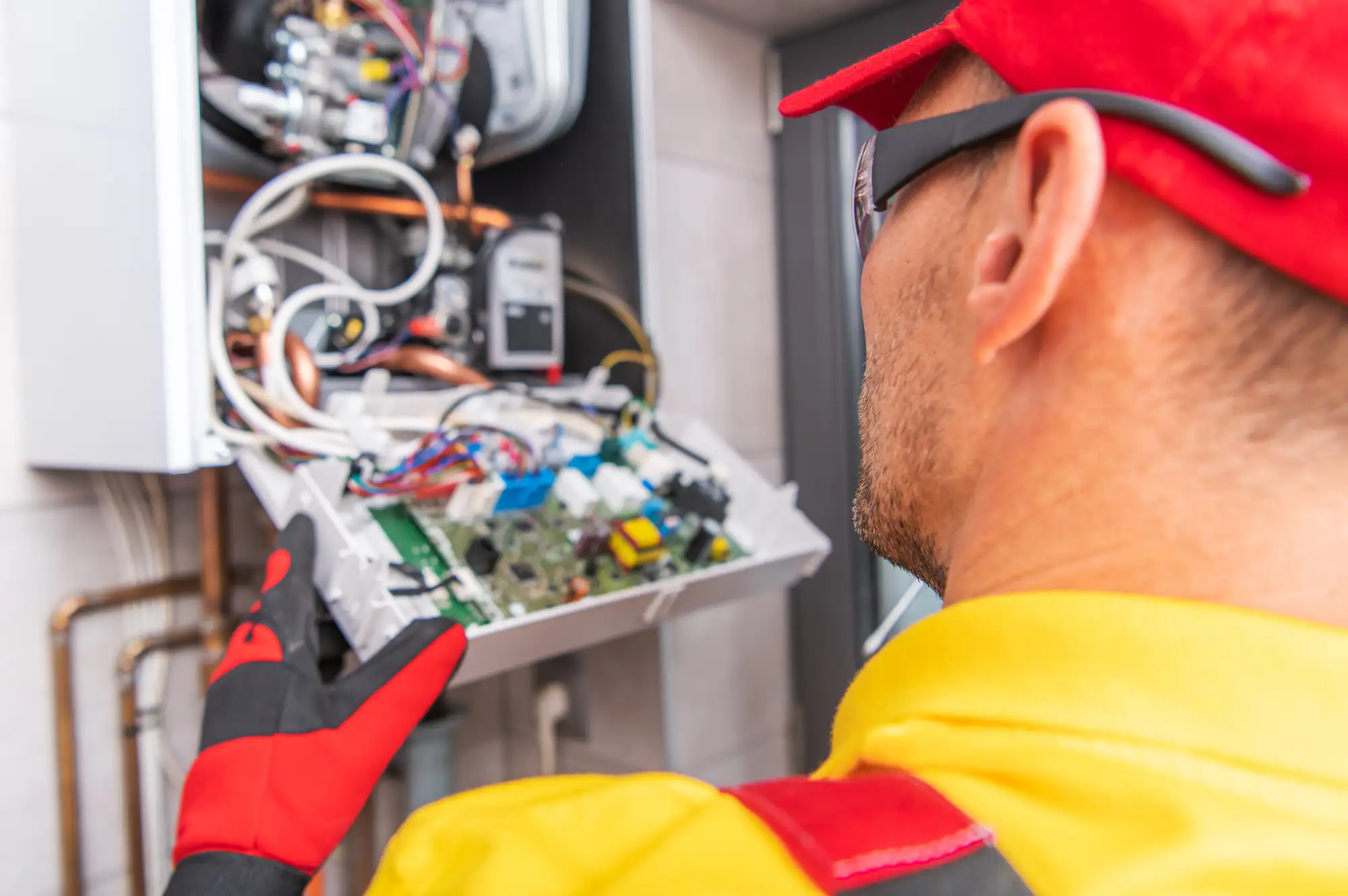
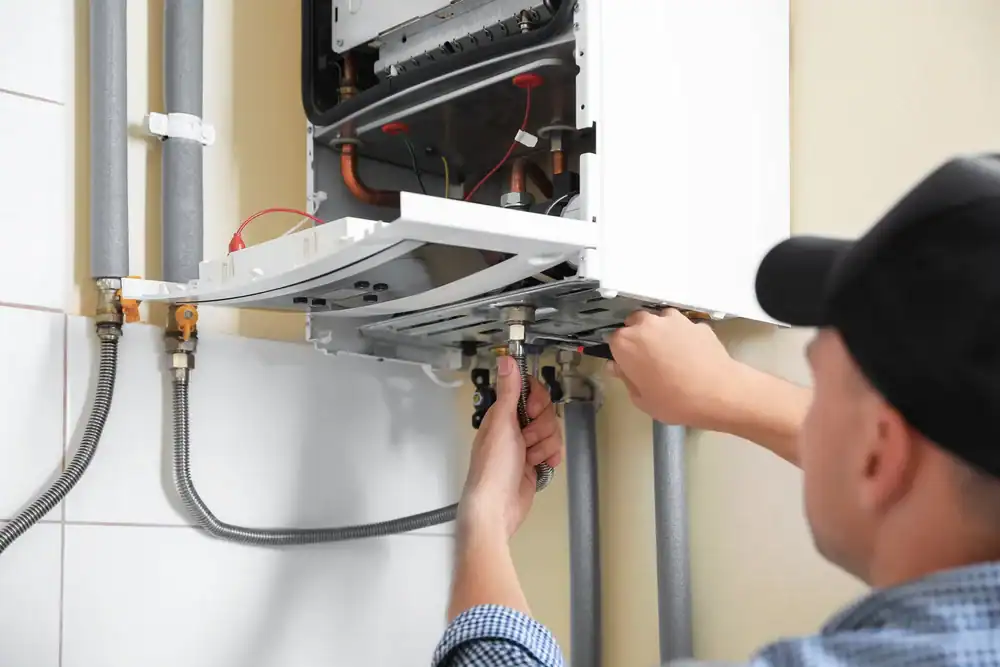
Residential Boiler Installation in Watsessing, NJ
When a boiler is properly sized and correctly installed, you feel it immediately. Every room heats evenly. Your system doesn’t cycle on and off every few minutes. Your energy bills stop climbing for no obvious reason. That’s what a good installation actually deliversnot just a new piece of equipment, but a heating system that works the way your home needs it to.
For Watsessing specifically, that matters more than people realize. A significant portion of the homes here were built in the 1910s through the 1940smany of them still running steam radiator systems that were original to the house or replaced decades ago. Steam systems have specific sizing requirements, specific venting needs, and specific failure patterns. A contractor who treats them the same as a modern forced-air home is going to get it wrong. Getting it right means your radiators heat evenly, your pipes stop banging, and you’re not calling for service again six months later.
There’s also the flood zone reality near Watsessing Park and the Second River corridor. If your basement has taken on watereven once, even just a few inchesyour boiler’s controls and components may be compromised in ways that aren’t obvious until the system fails mid-January. A proper installation assessment takes that history into account. You deserve to know what you’re working with before winter hits.
Licensed Boiler Installer Near Watsessing, NJ
We’re headquartered in Montclairabout three to five miles from the center of Watsessing, right along the same NJ Transit corridor that connects your neighborhood to the rest of Essex County. This isn’t a regional chain claiming your zip code. We’re a licensed, bonded, and insured HVAC contractor that has been working in Northern New Jersey’s older housing stock for decades, and we know what that work actually involves.
Ross Pucci runs the company. His name is on the licenseNJ Master HVACR Contractor License #13VH05686500, issued by the NJ Division of Consumer Affairs. When you call Adriatic Aire, you’re dealing with people who are accountable for the work, not a dispatch center routing you to whoever’s available.
The reviews tell you what to expect. Customers consistently call out honesty as the standout qualityspecifically, that we’ll tell you when repair makes more sense than replacement, even when replacement would be the bigger job. In a neighborhood where homes are a significant investment and trust is earned, that kind of track record means something.
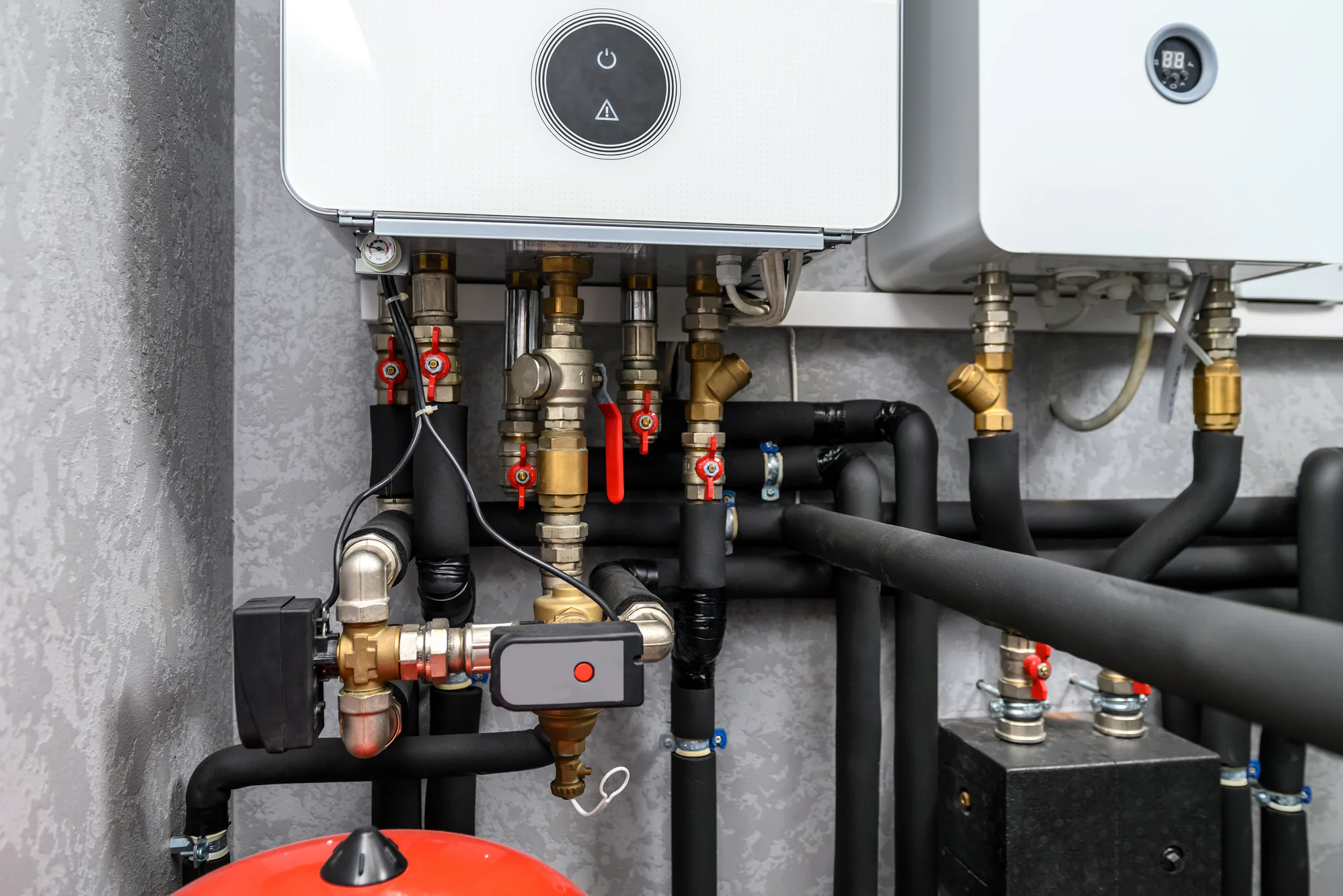
Boiler Replacement Process in Watsessing, NJ
It starts with a free estimate. Before anything is recommended, we assess your homeyour existing system, your square footage, your fuel type, and your actual heating load. That last part is critical. An oversized boiler in a 1930s Watsessing bungalow will short-cycle, wear out faster, and heat unevenly. An undersized one won’t keep up when temperatures drop into the teens in February. Proper load sizing isn’t a bonus stepit’s how you avoid replacing a bad boiler with a different bad boiler.
From there, you get a clear recommendation. If your current system can be repaired at a cost that makes sense, you’ll hear that. If replacement is the right call, you’ll get an honest explanation of why, what the options are, and what the work involves. No pressure to decide on the spot.
Once you move forward, we handle the mechanical permit through the Bloomfield Township Department of Inspectionsa required step under New Jersey’s Uniform Construction Code that some contractors quietly skip. Bloomfield Township’s codified permit fee for a residential boiler installation is $90, and that permit protects you: it triggers an inspection, confirms the work meets code, and keeps your manufacturer warranty intact. After installation, the system is fully tested before we leave. You’re not signing off on a cold unit and hoping for the best.
Ready to get started?
Gas Boiler Installation Services in Watsessing, NJ
We install gas boilers, oil boilers, electric boilers, and combination systems for both residential and commercial properties throughout Watsessing and the broader Bloomfield Township area. For homeowners in Watsessing’s older housing stockparticularly those with steam radiator systems dating to the pre-war construction erawe have the specific experience those systems require. Steam boilers are not the same as hot-water boilers, and the installation process reflects that difference.
For homeowners considering a move to a high-efficiency condensing boiler, modern units can reach 95 to 97 percent AFUEcompared to the government-mandated minimum of 80 percent for new installations. That gap translates to real savings on annual heating costs, and depending on the system, may qualify for rebates through PSE&G’s energy programs. We source equipment from respected manufacturers and will walk you through what makes sense for your home’s configuration, not just what’s easiest to install.
Every installation includes proper load sizing, full operational testing before handoff, and compliance with Bloomfield Township’s local building codes and the NJ Uniform Construction Code. We also serve multi-unit and commercial propertiesrelevant for the growing number of converted residential buildings near Watsessing Avenue Station that may require different system configurations than a single-family home. If your building has more than one unit or an unusual setup, that’s not a problemit’s a conversation worth having before you commit to anything.

Do I need a permit to replace my boiler in Watsessing, NJ?
Yesand this is one of the most important things to confirm before any contractor starts work. In Watsessing, which is part of Bloomfield Township, all boiler installations and replacements require a mechanical permit issued through the Bloomfield Township Department of Inspections. This is required under the New Jersey Uniform Construction Code, and it applies even when you’re doing a straight swapreplacing an old boiler with a new one of similar capacity.
Bloomfield Township’s codified permit fee for a residential boiler unit is $90. That fee covers the permit and triggers a required inspection after the work is complete. The inspection confirms the installation meets code, which matters for two practical reasons: it protects your manufacturer warranty, and it protects you at resale. An unpermitted boiler installation can surface as a problem during a home sale or refinance. Some contractors skip the permit to save timethat shortcut becomes your problem later. We pull the permit as a standard part of every installation.
How do I know if I should repair or replace my boiler?
The honest answer depends on your boiler’s age, its repair history, and what’s actually wrong with it. Most boilers last between 15 and 25 years depending on how well they’ve been maintained. If your system is under 15 years old and this is the first significant issue, repair is usually the right call. If it’s over 20 years old and you’ve had two or more repairs in the last couple of seasons, replacement almost always makes more financial sense within a two-to-three year window.
For Watsessing homeowners, there’s an additional consideration: if your boiler has been in a basement that took on waterespecially given the flood zone exposure near Watsessing Park and the Second Riverinternal components like the controls, heat exchanger, or ignition system may have been compromised even if the boiler appeared to recover. A system that flooded during a storm event and was never professionally assessed afterward is a system running on borrowed time. We’ll give you an honest read on where yours standsrepair when that’s the right answer, replace when it isn’t.
What's the difference between a steam boiler and a hot-water boiler?
This question comes up constantly in Watsessing and the surrounding Bloomfield area, and for good reasona large portion of the homes here were built in the early 20th century with steam radiator systems, which work very differently from the hot-water systems common in newer construction.
A steam boiler heats water until it becomes steam, which then travels through pipes to cast-iron radiators throughout the house. A hot-water boiler heats water and circulates it through the pipes in liquid form. Steam systems operate at higher temperatures and pressures, require different venting configurations, and have specific sizing requirements that don’t translate directly from hot-water systems. If you have a home with old cast-iron radiators and a single pipe running to each one, you almost certainly have a steam system. Installing the wrong boiler typeor sizing a steam replacement incorrectlyleads to uneven heat, water hammer (that banging sound in the pipes), and chronic inefficiency. We work with both system types and know what each one requires.
How long does a boiler installation typically take?
For a standard residential replacementswapping out an existing boiler for a new one of the same fuel typemost installations are completed in a single day. The work involves removing the old unit, installing and connecting the new one, testing all components, and confirming the system is operating correctly before we leave. You should have heat by the end of the day.
More complex jobs take longer. If you’re switching fuel typessay, converting from oil to gasthat adds work: fuel line connections, potential venting changes, and possibly chimney liner modifications. If your home has an unusual configuration or the existing piping needs to be reconfigured to fit a new system, that adds time as well. Older Watsessing homes sometimes present these kinds of surprises, particularly in basements where previous work was done without permits or where the original installation predates modern standards. We’ll flag anything like that during the estimate so you’re not caught off guard on installation day.
Can I get a rebate on a new high-efficiency boiler installation in NJ?
Potentially, yesand it’s worth looking into before you commit to a specific unit. PSE&G has offered rebate programs for qualifying high-efficiency boiler installations in New Jersey, with rebate amounts varying depending on the system type and efficiency level. In some cases those rebates have been substantialenough to meaningfully offset the cost of upgrading to a condensing boiler versus a standard replacement.
The practical consideration is that rebate programs change. Availability, qualifying equipment, and rebate amounts shift from year to year based on program funding. The best approach is to discuss it during your estimatewe can help you understand what units might qualify and what incentives are currently available. Separately, the federal government has offered tax credits for high-efficiency home heating equipment upgrades under recent energy legislation, which may stack with utility rebates depending on your situation. A new boiler running at 95 to 97 percent AFUE versus an older unit running at 80 percent or below also reduces your annual fuel costs directlythe rebate is a one-time benefit, but the efficiency savings continue every heating season.
How do I find a trustworthy boiler installer in the Watsessing area?
Start with licensing. In New Jersey, boiler installation requires a Master HVACR Contractor license issued by the NJ Division of Consumer Affairsthis is a legal requirement, not a preference. You can verify any contractor’s license on the state’s public database. Adriatic Aire holds NJ Master HVACR Contractor License #13VH05686500, which is publicly searchable. If a contractor can’t give you a license number, that’s your answer.
Beyond licensing, look at how a contractor handles the estimate conversation. Are they asking about your existing system, your home’s square footage, your fuel type? Or are they quoting a number before they’ve looked at anything? A contractor who skips load sizing is a contractor who’s guessingand in a neighborhood like Watsessing, where the housing stock ranges from pre-war steam systems to newer loft conversions near Watsessing Avenue Station, guessing gets expensive. Also ask directly whether they pull permits through Bloomfield Township. A contractor who says permits aren’t necessary for a replacement is either uninformed or cutting corners. The permit protects you, not themany contractor worth hiring understands that and handles it without being asked.
Other Services we provide in Watsessing