
Heating Replacement in Short Hills, NJ
Old Short Hills Homes Deserve More Than a Patched Boiler

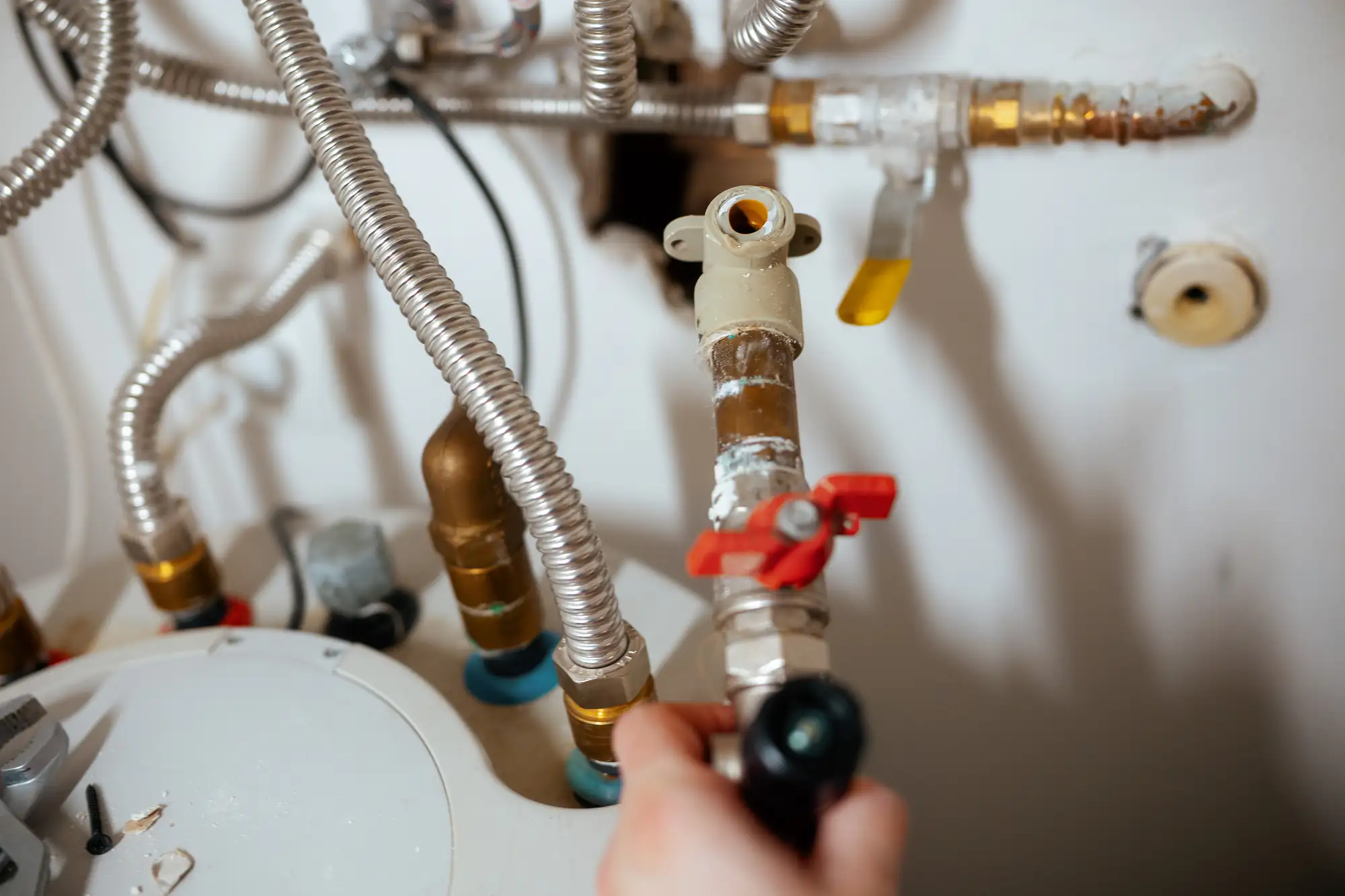
Furnace and Boiler Replacement Short Hills
Short Hills homes are not typical suburban houses. The colonials and Tudors throughout Old Short Hills Estates, Knollwood, and Hartshorn were built in an era when oversized oil-fired boilers were standard, and many of those systems or their once-replaced successors are still running today. When you replace that system, you stop paying to heat a house inefficiently and start paying to heat it right. The difference in monthly fuel costs alone, especially in a home over 4,000 square feet, is significant and immediate.
Beyond the bills, there’s the reliability factor that Short Hills homeowners understand better than most. A 5,000-square-foot estate home on a wooded lot off Hartshorn Drive in the middle of January is not a place where a heating failure is a minor inconvenience. Frozen pipes, displaced family members, emergency service calls at 2 a.m. these are real consequences in homes of this size and age. A new, properly sized system eliminates that risk entirely.
If your home still runs on oil heat, replacement also opens the door to converting to natural gas a transition that multiple Short Hills homeowners have made in recent years. The combination of cleaner operation, more stable pricing, and higher efficiency ratings makes it one of the most financially sound upgrades available in this market. We handle the full scope of that conversion, from equipment removal to permit coordination with Millburn Township’s Building Department.
HVAC Contractor Short Hills, NJ
We’ve been operating in Essex County since May 15, 1973. That’s more than five decades of heating replacements, system installs, and service calls across communities throughout this part of New Jersey including the large, older homes that define Short Hills and the surrounding Millburn Township area. This isn’t a company that showed up recently with a Google Ads budget. The experience is real, and it shows in how the work gets done.
We’re family-owned and operated, hold NJ HVAC License No. 19HC00022600, and have earned a 5.0-star rating across more than 500 Google reviews. Five consecutive years of HomeAdvisor Screened and Approved status adds another layer of verified credibility for homeowners who do their research before making a call which, in Short Hills, is most of them.
We work exclusively in HVAC. No plumbing side jobs, no oil delivery, no divided focus. When you call about a heating replacement, you’re talking to people whose entire operation is built around exactly that kind of work. We offer financing through FTL Finance, free estimates, and same-day service for situations that can’t wait.

Heating System Replacement Process Short Hills
It starts with a free estimate. One of our technicians comes to your home, looks at what you have whether that’s an aging oil boiler in a 1930s Knollwood colonial or a gas furnace in a newer Glenwood-area home and gives you a clear, honest picture of your replacement options. No pressure, no upsell theater. Just a straight assessment of what your home needs, what equipment makes sense, and what it will cost.
From there, we handle the permit process. In Short Hills, that means working within Millburn Township’s building code requirements. For a standard like-for-like equipment swap, New Jersey classifies this as minor work under the NJ Uniform Construction Code, but for oil-to-gas conversions which involve new gas line work, equipment changes, and often chimney relining a full building permit through Millburn Township’s Building Department is required. We manage that process so you don’t have to navigate it yourself.
Installation is completed by our licensed technicians who are familiar with the kinds of systems common in Short Hills’ older housing stock multi-zone configurations, steam and hot water boiler setups, and original cast-iron radiator systems that require careful handling. Once the new system is in, it’s tested, inspected, and confirmed operational before our crew leaves. The goal is a single, complete visit not a job that drags across multiple days.

Ready to get started?
Oil to Gas Conversion Short Hills, NJ
We install and service major brands including Trane, Lennox, Weil-McLain, and Utica equipment that’s well-suited to the demands of large, older homes throughout Short Hills. Whether you’re replacing a failing furnace, upgrading an outdated boiler, or making the switch from oil to gas, the scope of work is determined by what your specific home actually needs not a one-size-fits-all package.
For Short Hills homeowners still on oil heat, the oil-to-gas conversion is the most comprehensive replacement path. It involves removing the existing oil-fired equipment, coordinating the gas line connection, installing the new high-efficiency system, and addressing the chimney or venting requirements that come with a fuel change. We handle all of it. The permit coordination with Millburn Township is included in that process, and the workmanship is backed by our guarantee.
For homeowners whose homes already run on gas, a straight furnace or boiler replacement is typically more straightforward but the sizing still matters. Short Hills homes are large, and an undersized replacement system will underperform no matter how efficient it is on paper. The free estimate process includes a proper assessment of your home’s heating load so the replacement equipment is matched correctly. Financing through FTL Finance is available for homeowners who want to move forward on the right timeline without disrupting other financial priorities.

How do I know if my Short Hills home's heating system actually needs replacing?
The honest answer is that age is the most reliable indicator. Most furnaces have a functional lifespan of 15 to 20 years, and most boilers run 20 to 30 years with proper maintenance. In Short Hills, where a significant share of the housing stock dates to the 1920s through 1950s, it’s not unusual to find systems that are well past those benchmarks sometimes original equipment or a single replacement that’s now decades old itself.
Beyond age, watch for uneven heating across rooms, a system that cycles on and off frequently, rising fuel bills without a corresponding change in usage, or visible rust and corrosion on the unit. In a large home the kind common throughout Old Short Hills Estates or the Hartshorn section uneven heating is particularly telling, because a failing system often can’t keep up with the square footage it was once sized to handle. If you’re seeing two or more of these signs together, a replacement conversation is worth having sooner rather than later.
What does a heating replacement typically involve from start to finish?
The process starts with an assessment of your current system what you have, how it’s configured, and what your home actually requires in terms of heating capacity. For Short Hills homes, this step matters more than in a typical suburb because the homes here are larger, older, and often have more complex heating configurations: multi-zone systems, steam boilers feeding cast-iron radiators, or oversized oil-fired equipment that was standard in early 20th-century construction.
Once the replacement equipment is selected, we handle the permit coordination through Millburn Township’s Building Department, remove the old system, install the new one, and test everything before leaving. For oil-to-gas conversions, the scope is broader and includes gas line work, venting adjustments, and chimney considerations but that’s all managed within the same process. The goal is a complete job in a single visit, with no loose ends and no follow-up calls needed to finish what was started.
Is converting from oil to gas heat worth it for a Short Hills homeowner?
For most Short Hills homeowners still on oil, the answer is yes and the math is fairly clear. Natural gas has historically offered more price stability than heating oil, and modern gas systems operate at significantly higher efficiency ratings than the oil-fired equipment common in Short Hills’ older homes. In a house over 4,000 square feet, that efficiency gap translates to real money over the course of a heating season.
There’s also the operational side. Oil systems require fuel deliveries, tank maintenance, and the ongoing risk of a delivery shortage or price spike during peak winter demand. Gas eliminates all of that. The upfront cost of an oil-to-gas conversion is higher than a like-for-like oil replacement, but the long-term operating savings combined with the higher efficiency of new gas equipment typically make it the stronger financial decision for a homeowner planning to stay in their Short Hills home. We’ve been doing these conversions throughout Essex County for decades, including in the older sections of Short Hills where oil heat is most prevalent.
Do I need a permit to replace my heating system in Short Hills, NJ?
It depends on the scope of the work. Under New Jersey’s Uniform Construction Code, replacing an existing boiler or furnace with new equipment of like capacity is classified as minor work which means it doesn’t require a full construction permit, but it does need to meet NJ UCC standards and be performed by a licensed HVAC contractor. We hold NJ HVAC License No. 19HC00022600, so that requirement is covered.
For oil-to-gas conversions, the requirements are more involved. Because the fuel type is changing, new gas line connections are being made, and venting or chimney modifications are typically required, a full building permit through Millburn Township’s Building Department is necessary. Millburn Township also offers an online SDL portal where homeowners can track permit status independently if they want visibility into where things stand. We manage the permit process as part of the job you don’t need to navigate the township’s building department on your own.
How long does a full heating replacement take in a typical Short Hills home?
For a standard furnace or boiler replacement where the fuel type isn’t changing and the system configuration is relatively straightforward most jobs are completed in a single day. Our crew removes the old equipment, installs the new unit, handles all connections and venting, and tests the system before leaving. You shouldn’t be going to bed without heat on the night of the installation.
Oil-to-gas conversions take longer because the scope is broader. Depending on the home’s existing gas line infrastructure, chimney condition, and the complexity of the heating zones and Short Hills homes often have multiple zones given their size the full conversion can take one to two days. We’ll give you a realistic timeline during the free estimate visit, before any work begins. If you’re in a larger home in sections like Knollwood or the Deerfield area, it’s worth asking specifically about the timeline for your configuration so there are no surprises.
Why do so many Short Hills homeowners wait until a system fails before replacing it?
It’s a common pattern, and it’s understandable. Heating systems tend to fail gradually a little less efficient each year, a little more temperamental each winter until one January morning they don’t come on at all. Because the decline is slow, it’s easy to keep pushing the decision forward, especially when life is busy and a functioning (if aging) system doesn’t feel like an emergency yet.
The problem with waiting is that when a system does fail in Short Hills in a large estate home in the middle of a cold snap the stakes are higher than in a smaller, newer house. Frozen pipes in a 5,000-square-foot colonial are a serious and expensive problem. Emergency service calls during peak heating season come with longer wait times and higher costs across the board. Replacing on your own schedule, during the fall or early spring, gives you time to choose the right equipment, coordinate the Millburn Township permit process properly, and avoid the premium that comes with urgent, mid-winter demand. It’s the same logic Short Hills homeowners apply to everything else they manage plan ahead, and the outcome is better.
Other Services we provide in Short Hills