
AC Installation in Bayonne, NJ
Bayonne Summers Hit Different on a Peninsula
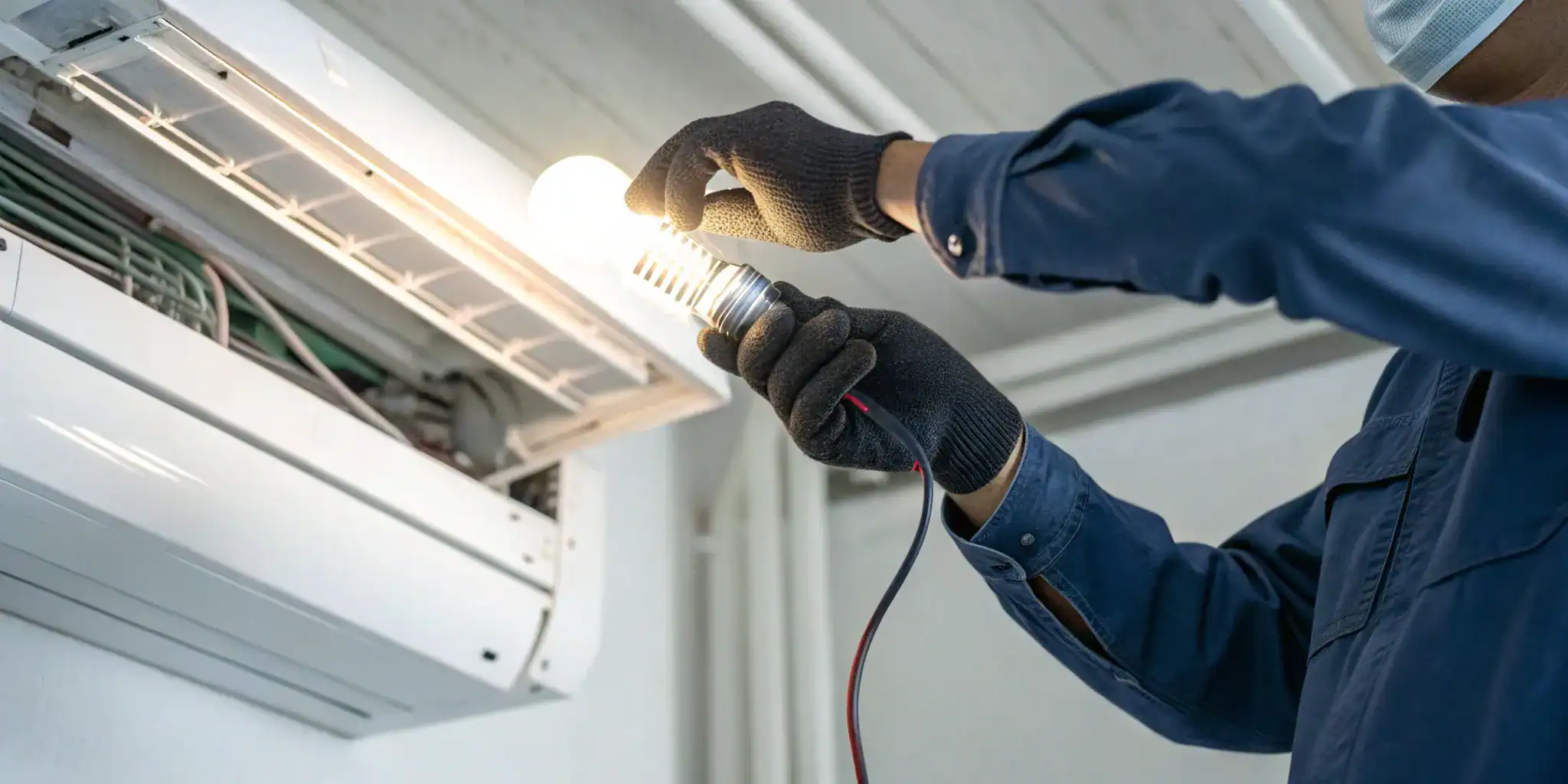

Air Conditioner Installation Bayonne, NJ
You stop dreading July. That sounds simple, but if you’ve spent summers in a pre-war Bayonne row home with a window unit rattling in one room and the rest of the house sitting at 85 degrees, you know exactly what that means. A properly installed AC system changes how your entire home feels not just one room.
Bayonne’s housing stock is older than most people realize. A significant chunk of homes in this city were built before World War II, which means they were never designed for central air. No ductwork, no dedicated cooling infrastructure just walls, radiators, and a boiler in the basement. That’s not a dealbreaker. It just means the installation needs to be done right, by someone who’s actually worked in these buildings before.
The other thing worth knowing: Bayonne’s peninsula location and dense urban layout create a real urban heat island effect. Temperatures in tightly packed residential blocks can run several degrees hotter than official readings during a heat wave. A system sized and installed correctly for your specific home isn’t a luxury it’s the difference between a livable summer and a miserable one.
HVAC Installation Bayonne, NJ
We’ve been doing this since 1973. That’s not a tagline it’s just a fact. Family-owned, continuously operating in Hudson County, and still doing the kind of work that earns a 5.0-star rating across more than 500 Google reviews. That kind of rating at that volume doesn’t happen by accident. It happens because technicians show up when they say they will, tell you the truth about what your system actually needs, and don’t push you toward a $10,000 replacement when a repair will do the job.
Bayonne has its own character dense neighborhoods, older homes, tight access points, and residents who have dealt with enough contractors to know when someone is being straight with them. From Bergen Point’s Victorian-era row homes to the newer builds over at the Peninsula at Bayonne Harbor, the range of what an installation requires here is real. We’ve worked across all of it. Free estimates, no pressure, and a straight answer about what makes sense for your home.
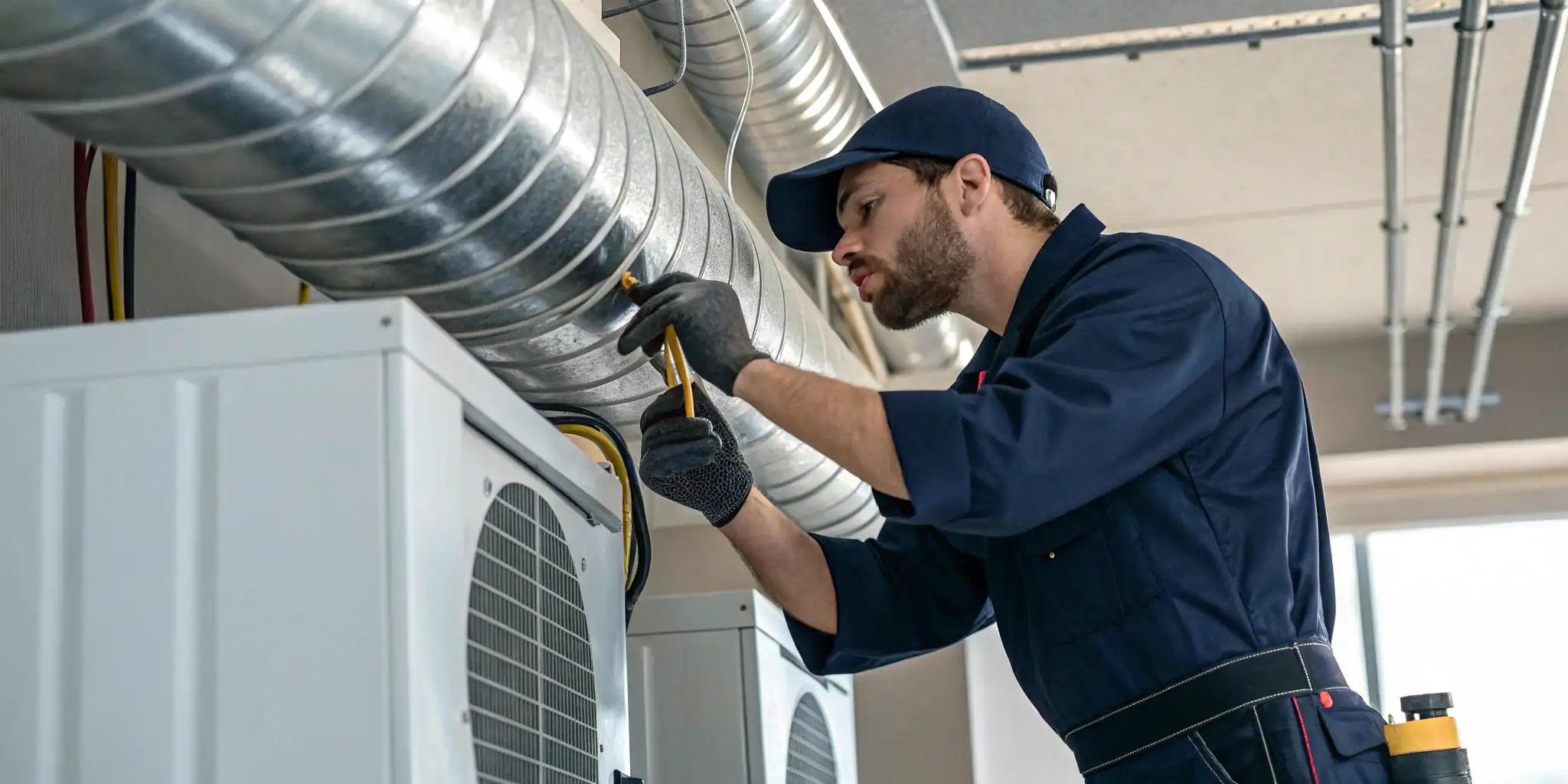
Central Air Installation Cost Bayonne, NJ
It starts with a free estimate. One of our technicians comes to your home, looks at your actual space the layout, the existing infrastructure, whether you have ductwork or not and gives you a real number. Not a range pulled from a website. A number based on your home, your needs, and what the job actually involves.
From there, if you decide to move forward, the installation is permitted through the City of Bayonne’s building department. That’s not optional New Jersey requires it, and any contractor skipping that step is cutting a corner that will cost you later, whether it’s a failed home inspection, a voided equipment warranty, or a problem at resale. We pull permits as a standard part of every job, not as an add-on.
The installation itself depends on what your home needs. Older Bayonne homes without existing ductwork are often better candidates for a ductless mini-split system less disruption, no major construction, and highly efficient zone cooling. Homes that already have forced-air infrastructure may be better suited for central AC. Either way, you’ll know exactly what’s being installed, why, and what to expect from it before any work begins.
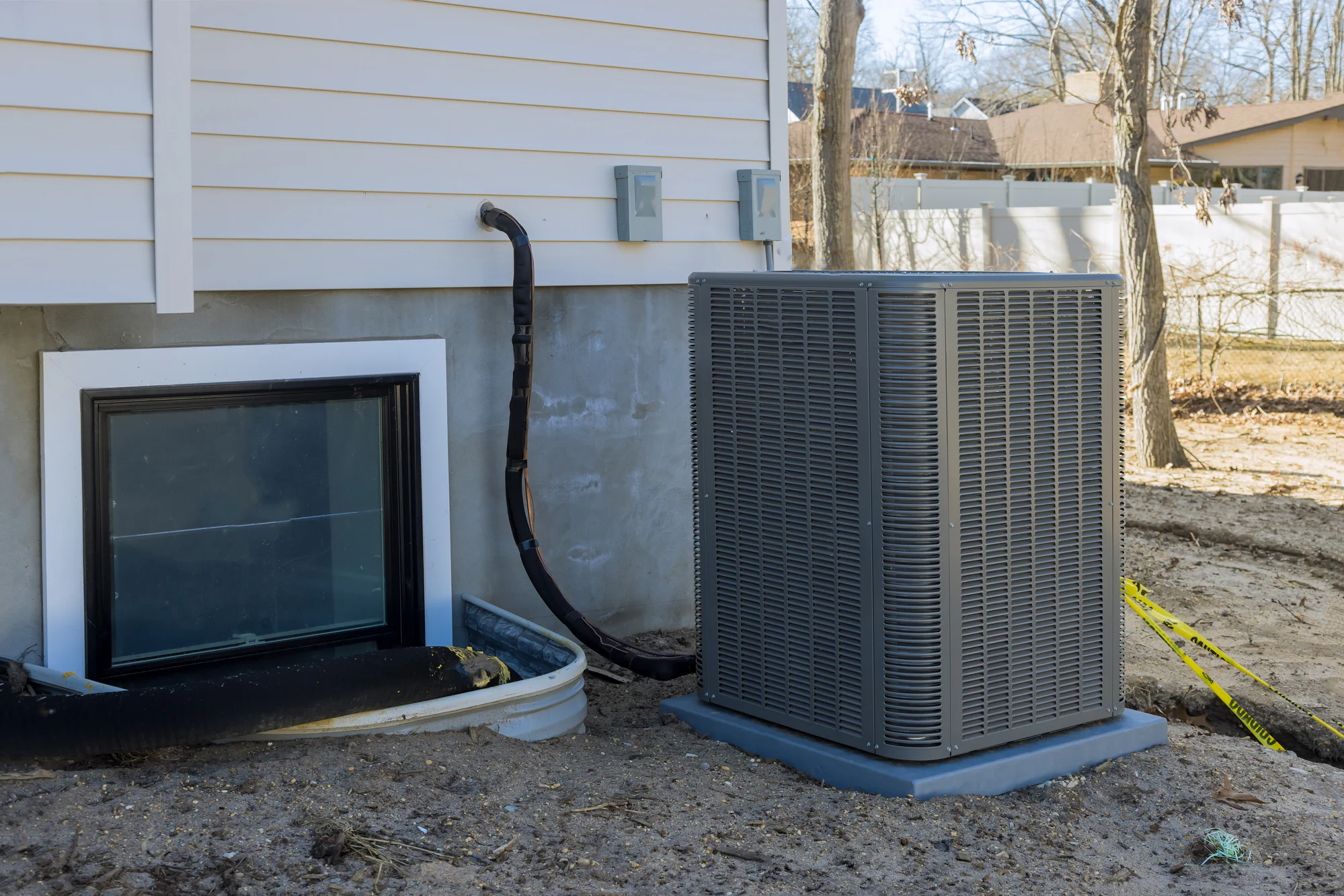
Ready to get started?
Ductless HVAC System Installation Bayonne, NJ
Bayonne isn’t a town of new construction with open basements and easy duct runs. A lot of what’s here was built in the 1920s and 1930s attached row homes, two- and three-family buildings, narrow mechanical spaces, and electrical panels that weren’t designed for modern HVAC loads. The system that works in a Wayne colonial doesn’t automatically work here. Installation in Bayonne requires someone who understands what they’re actually walking into.
For homes without ductwork, ductless mini-split systems are often the most practical and cost-effective path. They require minimal structural work, can cool individual rooms or zones independently, and hold up well in Bayonne’s coastal humidity. For homes that already have a forced-air system in place, a central AC replacement or upgrade is typically more straightforward but the equipment still needs to be sized correctly for the space, which is something a load calculation handles before anything gets ordered.
We service all major brands Trane, Lennox, Carrier, Rheem, Goodman and recommend based on what fits your home, not what generates the best margin. If your home is still running on oil heat and you’ve been thinking about converting to gas, that conversation is on the table too. A lot of Bayonne’s older homes are still on oil, and combining an HVAC upgrade with an oil-to-gas conversion often makes financial sense when you’re already investing in the system.
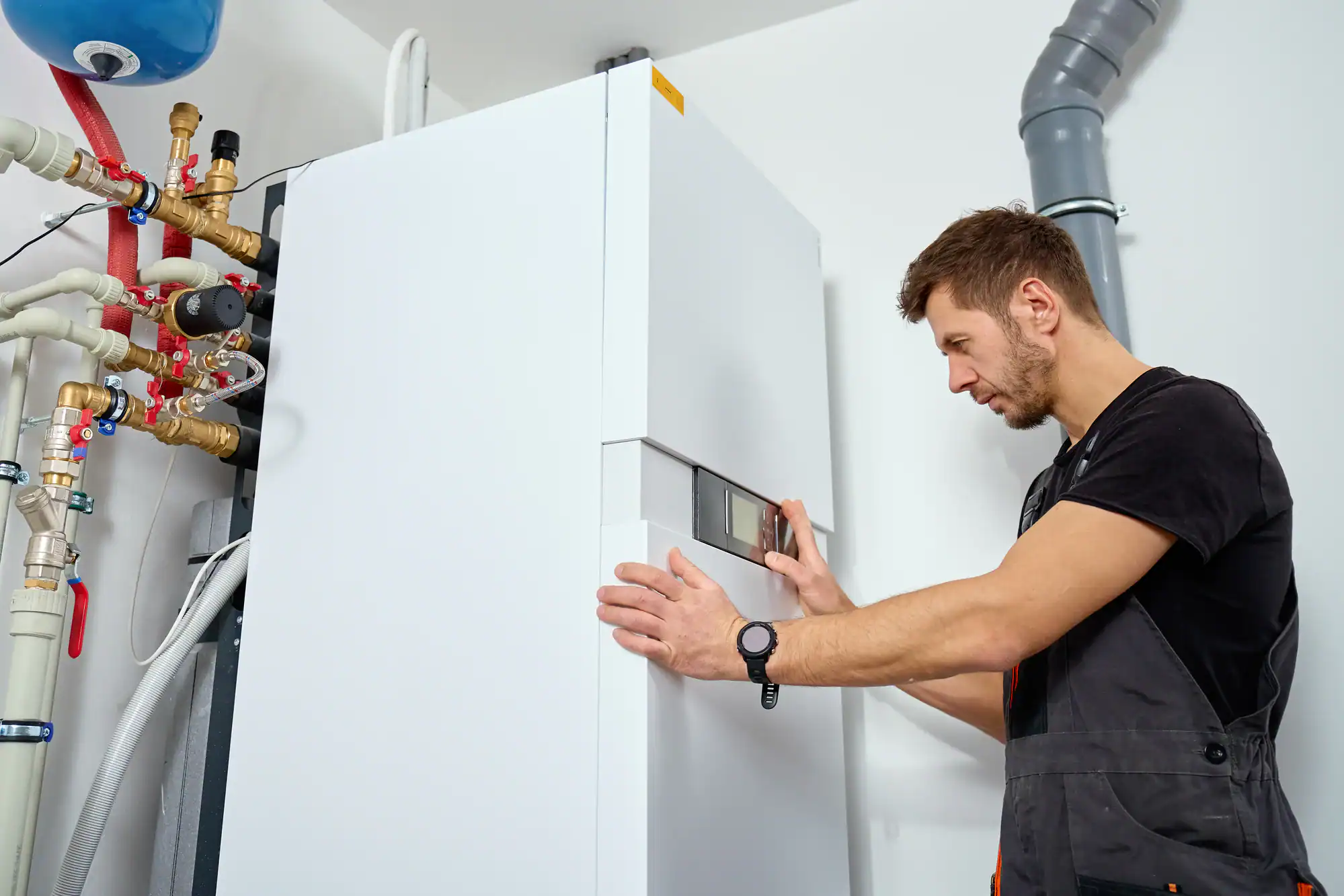
How much does AC installation cost in Bayonne, NJ?
The honest answer is that it depends on your home. In Hudson County, AC installation typically runs between $5,000 and $12,000 or more for a full central air system, and labor rates here run higher than the state average because of the proximity to New York City. If your home doesn’t have existing ductwork which is common in Bayonne’s pre-war row homes that adds to the cost, either through ductwork installation or by switching to a ductless mini-split system, which avoids that expense altogether.
The best way to get a real number is a free in-home estimate. One of our technicians can assess your specific Bayonne home, factor in what the city’s building permit process requires, and give you an accurate quote before you commit to anything. Ballpark figures from websites are a starting point, but they won’t account for your electrical panel, your square footage, your duct situation, or the specific access constraints of your property.
Does my older Bayonne row home need ductwork to get central air?
Not necessarily. Ductwork is required for a traditional central air conditioning system, but it’s not the only option and in many of Bayonne’s pre-war attached homes, it’s not even the best option. Running new ductwork through a narrow, multi-story row home is expensive, disruptive, and sometimes structurally complicated. Ductless mini-split systems were essentially designed for this situation.
A mini-split requires only a small opening in the wall for the refrigerant line connecting the indoor and outdoor units. There’s no major construction involved, no dropped ceilings to accommodate duct runs, and the system can be configured to cool specific zones or rooms independently. For a two- or three-family building in Bayonne, that zoning capability is especially useful each unit can be controlled separately without the complexity of a shared central system.
What SEER rating do I need for a new AC system in New Jersey?
New Jersey follows federal minimum efficiency standards, which currently require a SEER2 rating of at least 13.4 for new residential AC installations. That’s the floor the minimum legal requirement for any new system installed in the state. In practice, most modern equipment starts above that threshold, and higher-efficiency systems in the 16–20 SEER2 range are worth considering if you plan to stay in your home long-term.
In Bayonne specifically, where summers are humid and the urban heat island effect means your system runs harder than it would in a less dense area, efficiency matters more than it might elsewhere. A higher-efficiency unit costs more upfront but reduces monthly energy bills over time. Given that Bayonne homes tend to run their systems hard through July and August and sometimes into September the payback period on a more efficient unit is often shorter than homeowners expect.
How long does an AC installation typically take?
For a straightforward central AC installation in a home that already has ductwork, most jobs are completed in one day. A ductless mini-split installation for a single zone is similarly quick typically four to eight hours depending on the complexity of the run and where the outdoor unit needs to be placed. Multi-zone mini-split systems or installations that involve electrical panel upgrades will take longer, sometimes extending into a second day.
In Bayonne, the permit process adds a step that some homeowners don’t anticipate. The City of Bayonne requires permits for HVAC installations, and while that doesn’t necessarily delay the physical work, it does mean a follow-up inspection is required after installation. We handle the permit application as part of the job, so you don’t have to navigate that process yourself. The inspection is standard and straightforward when the work is done correctly.
Is a ductless mini-split or central AC better for a Bayonne home?
It depends on what your home already has and what you’re trying to accomplish. If you have existing ductwork in good condition, central AC is usually the more cost-effective path you’re using infrastructure that’s already there. If your home doesn’t have ductwork, the comparison shifts significantly. Adding ductwork to a Bayonne row home can be expensive and disruptive, which often makes a ductless mini-split the smarter investment from both a cost and a comfort standpoint.
There’s also the humidity factor. Bayonne sits on a peninsula surrounded by Newark Bay, the Kill Van Kull, and New York Harbor coastal humidity is a real and consistent presence here, especially in summer. Modern ductless systems handle humidity well and are built with corrosion-resistant components that hold up better in salt-air-adjacent environments than some older central systems. If your outdoor condenser is going to be exposed to that kind of air year-round, equipment quality and coating matter.
How do I know if my current AC system needs to be replaced or just repaired?
Age is the first thing to look at. Most AC systems have a useful lifespan of 15 to 20 years. If your system is approaching or past that range and requiring frequent repairs, replacement usually makes more financial sense than continuing to patch it. A good rule of thumb: if a repair costs more than half the price of a new system, and the unit is more than 10 years old, replacement is worth a serious look.
That said, not every struggling system needs to be replaced. Refrigerant issues, capacitor failures, and clogged coils are all repairable problems that don’t require a new unit. Our approach is to give you an honest assessment if your system can be repaired at a reasonable cost, that’s what you’ll hear. The goal isn’t to sell you a new system; it’s to tell you what actually makes sense for your situation. For Bayonne homeowners dealing with aging equipment in older homes, that kind of straight answer is worth more than any sales pitch.
Other Services we provide in Bayonne