
Boiler Replacement in Wyoming, NJ
Wyoming's Old Homes Deserve More Than a Generic Fix
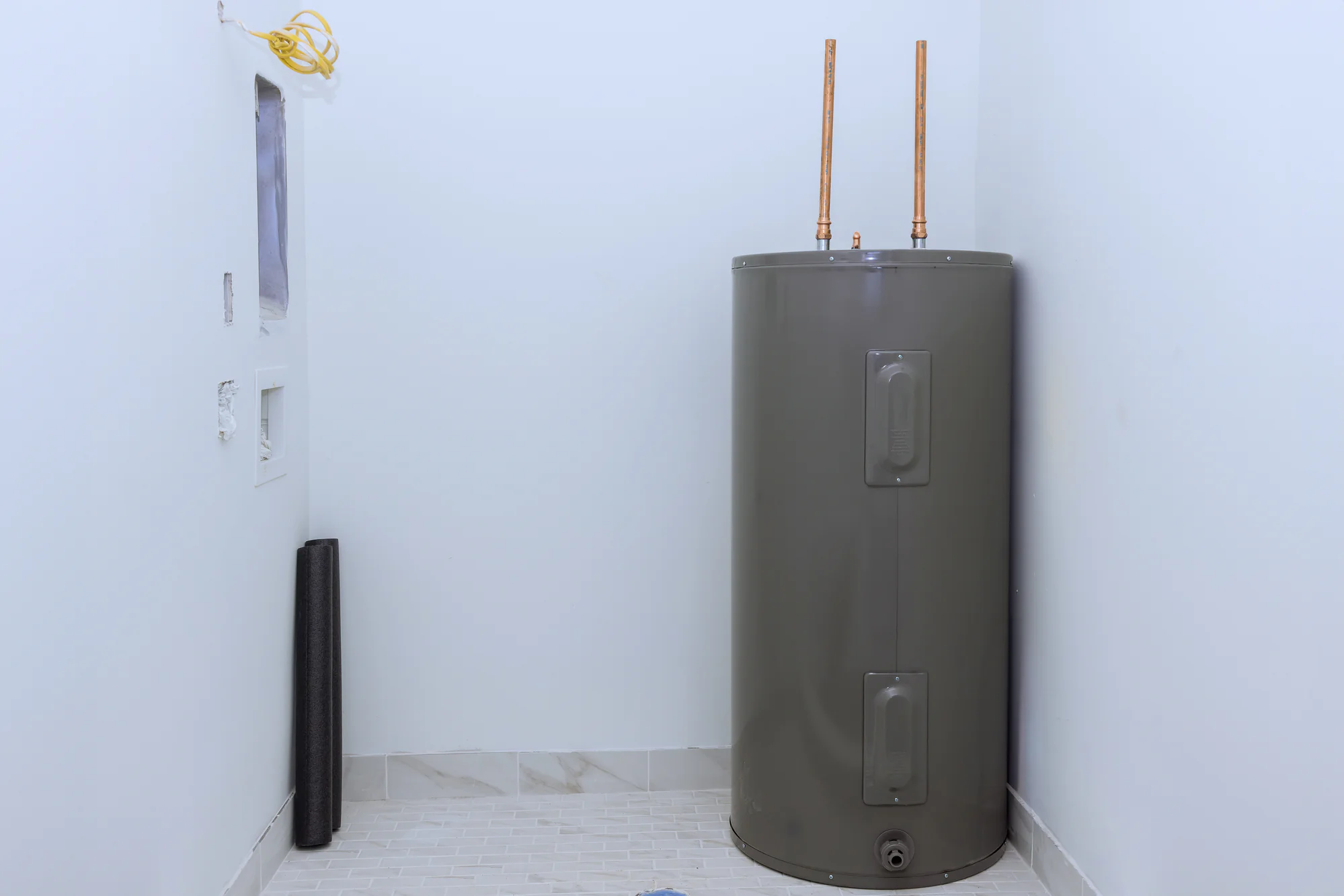
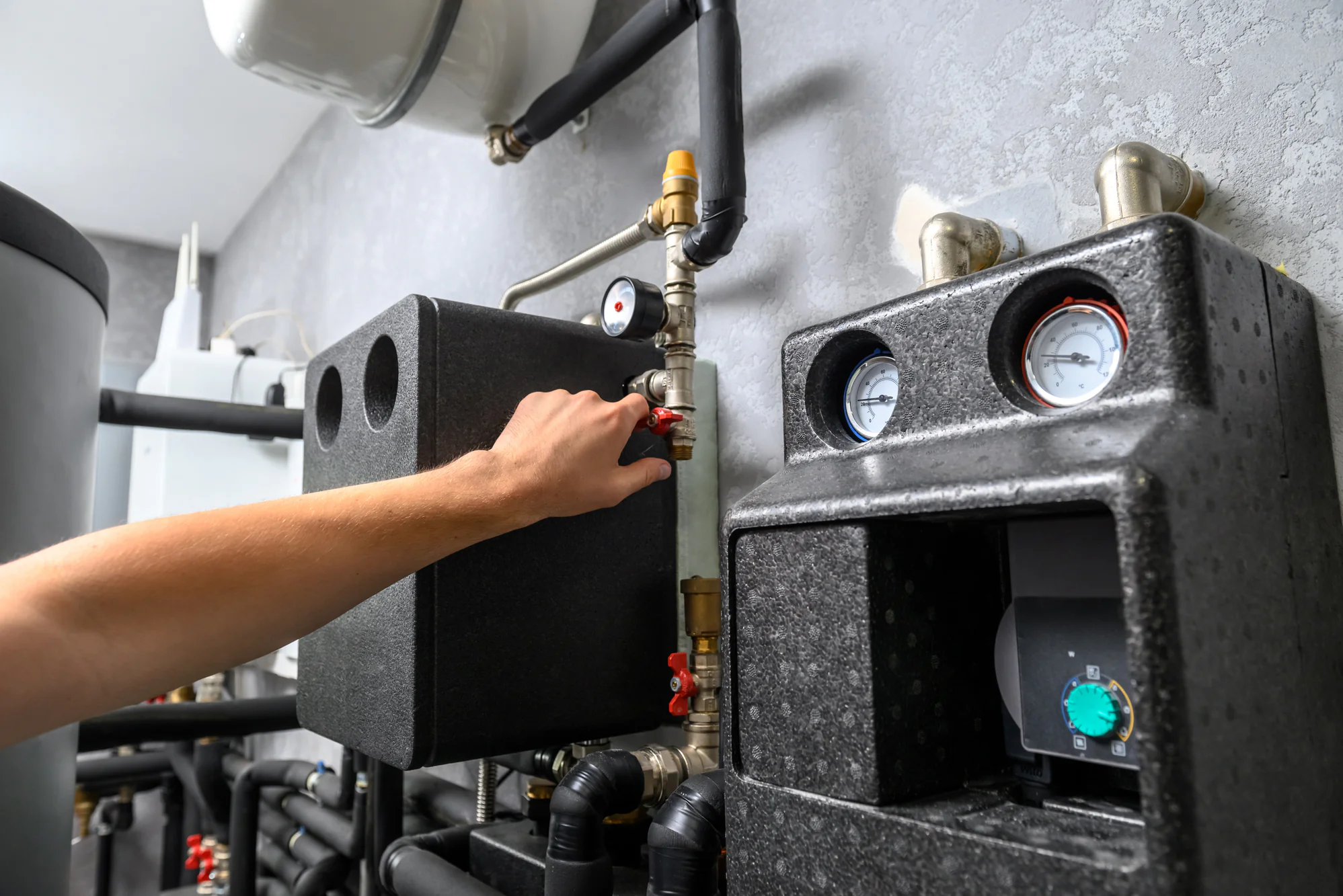
Residential Boiler Replacement Wyoming, NJ
When a boiler is past its prime, you feel it before you can prove it. The house takes longer to warm up. Certain rooms never quite get there. Your fuel bills climb every winter and you’re not sure if it’s the weather or the equipmentbut deep down, you suspect it’s both.
The homes along Wyoming Avenue, Sagamore Road, and Glen Avenue were built in an era when steam heat was the standard. That cast-iron radiator infrastructure was built to last, and a lot of it still works. But the boiler driving it? That’s a different story. A system pushing 20 or 25 years is working harder than it should, burning more fuel than it needs to, and one cold snap away from leaving you without heat on a January evening when you get home from the train.
Replacing an aging boiler with a properly sized, high-efficiency unit changes the math immediately. Modern condensing boilers operate at 90% AFUE or highercompared to the 56–70% AFUE typical of older systems. That gap is real money leaving your house every month. In Wyoming, where the proximity to South Mountain Reservation means colder overnight lows and a longer heating season than most of the surrounding area, that efficiency difference adds up faster than it would somewhere flatter.
Boiler Replacement Company Wyoming, NJ
We’ve been doing HVAC work in Northern New Jersey since 1973. That means our technicians have seen the kind of systems that are common in Wyoming’s pre-war housing stock. Steam boilers, cast-iron radiators, one-pipe systems, aging oil-fired equipmentnone of it is unfamiliar territory.
We hold NJ HVACR Contractor License #19HC00022600 and HIC Registration #13VH05686500, both verifiable through the NJ Division of Consumer Affairs. Every installation in Wyoming is permitted through Millburn Township’s Construction Office and done to codewhich matters in a neighborhood listed on the NJ State Register of Historic Places, where unpermitted mechanical work creates real liability down the road.
What gets mentioned most in our 500+ Google reviewsat a 5.0 ratingisn’t speed or price. It’s that we told customers the truth, even when the truth was “you don’t need a full replacement.” That’s the baseline here.

Gas Boiler Replacement Process Wyoming, NJ
It starts with a real assessment, not a sales call. When we come out to your Wyoming home, the first conversation is about your current systemhow old it is, what it’s been doing, and whether the repair-vs-replace math actually favors a new unit. If a targeted repair makes more financial sense, you’ll hear that. If the system is past the point where repair is a smart investment, you’ll hear that too, with the reasoning behind it.
If replacement is the right call, you’ll get a clear, itemized estimate before anything is scheduled. No surprises after the fact. For Wyoming homeowners, that estimate accounts for the specifics of your systemwhether you have a steam setup that needs careful sizing and pressure matching, or a hot water hydronic system that’s more straightforward to swap. Venting requirements matter here too: high-efficiency condensing boilers require new exhaust runs, and in a historic district, that means making sure any exterior penetration is handled correctly and permitted through Millburn Township’s Construction Office.
Most standard boiler replacements are completed in a single day. We stock common parts and components on our trucks, which means fewer delays and no waiting on back-ordered equipment for the typical job. If you’re a commuter on the Morris & Essex Line, you can leave in the morning and come home to a working system.

Ready to get started?
Boiler Upgrade and Installation Wyoming, NJ
Wyoming’s housing stock is genuinely different from most of the suburbs around it. The neighborhood was platted in 1872, and the homes on its streetsVictorians, Tudors, Colonialswere designed around steam distribution. That means boiler replacement here isn’t always a simple one-for-one swap. It requires someone who understands how steam pressure, pipe sizing, and radiator load interact, and who can match the new unit to what the distribution system actually needs.
We work on all major boiler brandsWeil-McLain, Utica, Burnham, Peerless, Slant/Fin, and otherswhich covers both what’s likely already in your Wyoming basement and what makes sense as a replacement. For homes still running on oil, replacement is also an opportunity to evaluate a conversion to gas, which is a more involved project but one that can meaningfully change your long-term operating costs.
Every boiler replacement in Wyoming includes pulling the required mechanical permit from Millburn Township, handling the inspection process, and making sure the installation meets NJ Uniform Construction Code requirements. The historic district designation doesn’t complicate the interior work, but any exterior venting changes are handled with the township’s process in mind. Our goal is an installation that holds up at resale, passes inspection without rework, and keeps your home warm through the full Essex County heating seasonwhich, at Wyoming’s elevation near South Mountain Reservation, runs longer than most people expect.

Do Wyoming homes typically need steam boiler replacement or hot water systems?
It depends on what’s already in the house, but Wyoming’s housing stock skews heavily toward steam. The neighborhood was developed starting in 1872, and homes built through the 1930swhich describes most of Wyoming’s Victorians, Colonials, and Tudorswere originally designed around steam heat with cast-iron radiators. Many of those distribution systems are still in place and still functional.
When the boiler driving a steam system reaches the end of its life, the replacement doesn’t automatically have to be steam. Some homeowners choose to convert to hot water hydronic at that point, which offers more precise zone control and can be more efficient. Others stay with steam because the radiators are in good shape and the conversion cost isn’t justified. The right answer depends on the condition of your existing distribution system, your home’s layout, and your long-term plans. We’ll walk you through both options with real numbers so you can make the call that makes sense for your housenot the one that’s easier for the contractor.
How do I know if my boiler needs to be replaced or just repaired?
The honest answer is that it depends on two things: the age of the system and the cost of the repair. A useful rule of thumb is to multiply the repair cost by the boiler’s age. If that number approaches or exceeds $5,000, replacement is usually the smarter financial move. A boiler that’s 20+ years old and needs a $300 fix is worth repairing. A boiler that’s 22 years old and needs a $600 repair on top of the $400 you spent last winter is a different conversation.
Beyond the math, there are physical signs worth paying attention to. If the system is cycling on and off more than it used to, if certain rooms in your house stay cold no matter what you do, if you’re seeing water around the base of the unit or rust on the heat exchanger, those are signals that the system is working harder than it should to do less than it used to. An honest diagnostic from a licensed techniciannot one who’s already decided you need a new boiler before they’ve looked at anythingis the right starting point.
Does replacing a boiler in Wyoming's historic district require special permits or approvals?
The interior mechanical workremoving the old boiler and installing the new onedoesn’t trigger historic preservation review. What can create a wrinkle is the venting. Modern high-efficiency condensing boilers don’t use a traditional chimney flue the way older systems do. They exhaust through PVC pipe, typically routed through a sidewall or roof penetration. In a neighborhood listed on the NJ State Register of Historic Places, any exterior modification can draw attention, and it’s worth making sure the venting approach is handled correctly from the start.
A mechanical permit from Millburn Township’s Construction Office is required for any boiler replacement in Wyoming, regardless of the historic district status. That permit triggers an inspection, and the inspection confirms the installation meets NJ Uniform Construction Code requirements. Working with a contractor who pulls permits as a standard part of the jobnot as an afterthoughtprotects you at resale and ensures the work is documented properly. We hold NJ HVACR Contractor License #19HC00022600 and handle permitting as part of every installation.
How much does boiler replacement typically cost in the Millburn area?
For a standard gas boiler installation in New Jersey, the range typically runs from $4,000 to $9,000. High-efficiency condensing units, which are increasingly the standard for new installations, generally fall in the $6,000 to $11,000 range installed. The final number depends on several factors: the type of system you have (steam vs. hot water, gas vs. oil), the size of your home and the BTU load it requires, what venting changes are needed, and whether any additional work is involvedlike an oil-to-gas conversion or relocating the unit within the basement.
For Wyoming specifically, older homes with steam systems can sometimes involve additional complexity around pipe connections and pressure settings that a newer home wouldn’t have. That’s not a reason to avoid replacementit’s a reason to get an accurate estimate from someone who has actually looked at your system, not a ballpark from a website. We give you a clear, itemized number before any work is scheduled, so you know exactly what you’re committing to.
How long does boiler replacement take, and will I be without heat overnight?
Most standard boiler replacements are completed in a single day. An experienced crew that shows up with the right equipment and the right unit for your system can typically have the old boiler out and the new one running before the end of the workday. That said, complexity mattersa steam system with aging pipes, an oil-to-gas conversion, or a venting configuration that requires more than a straightforward sidewall run can add time.
For Wyoming commuters who are out of the house during the day, the typical scenario is: the crew arrives in the morning, works through the day, and you come home from Millburn Station to a functioning system. We stock common parts and components on our trucks, which reduces the chance of a delay caused by a missing part. If something unexpected comes up mid-job that would push completion to the next day, you’ll know about it before the crew leavesnot after you’ve already turned the thermostat up and nothing happened.
Is fall the right time to replace a boiler in Wyoming, or should I wait until it fails?
Replacing before the heating season starts is almost always the better move, and it’s especially true in Wyoming. The neighborhood sits at the base of South Mountain Reservation, and the elevated, wooded terrain creates colder overnight lows and a longer heating season than the flatter communities nearby. The first real cold snap tends to hit earlier here, and when it does, every HVAC company in Essex County gets busy at the same time.
Scheduling a replacement in September or early October means you’re working on your timeline, not reacting to a failure at 11pm in January. It also means faster scheduling, no emergency premium, and the ability to take your time comparing options rather than accepting whatever’s available immediately. Homeowners who wait until the boiler failsespecially in a neighborhood where most of the housing stock is 80 to 100 years old and running aging equipmentend up with fewer choices and more pressure. If your system is showing signs of wear or is past the 15-to-20-year mark, a fall assessment with us before the season starts is worth the call.