
Boiler Replacement in Montclair Heights
Montclair Heights Homes Were Built to LastTheir Boilers Weren't
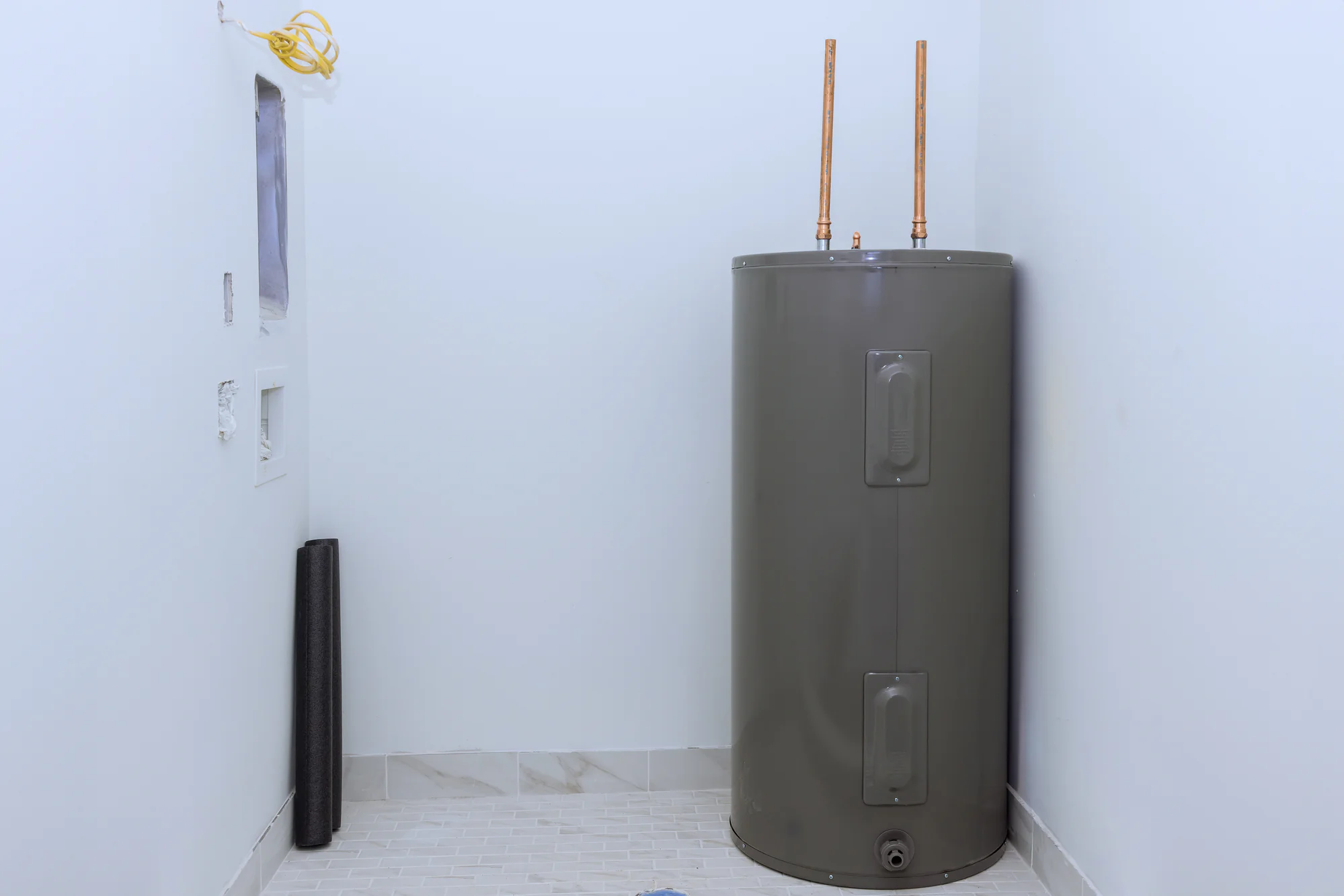
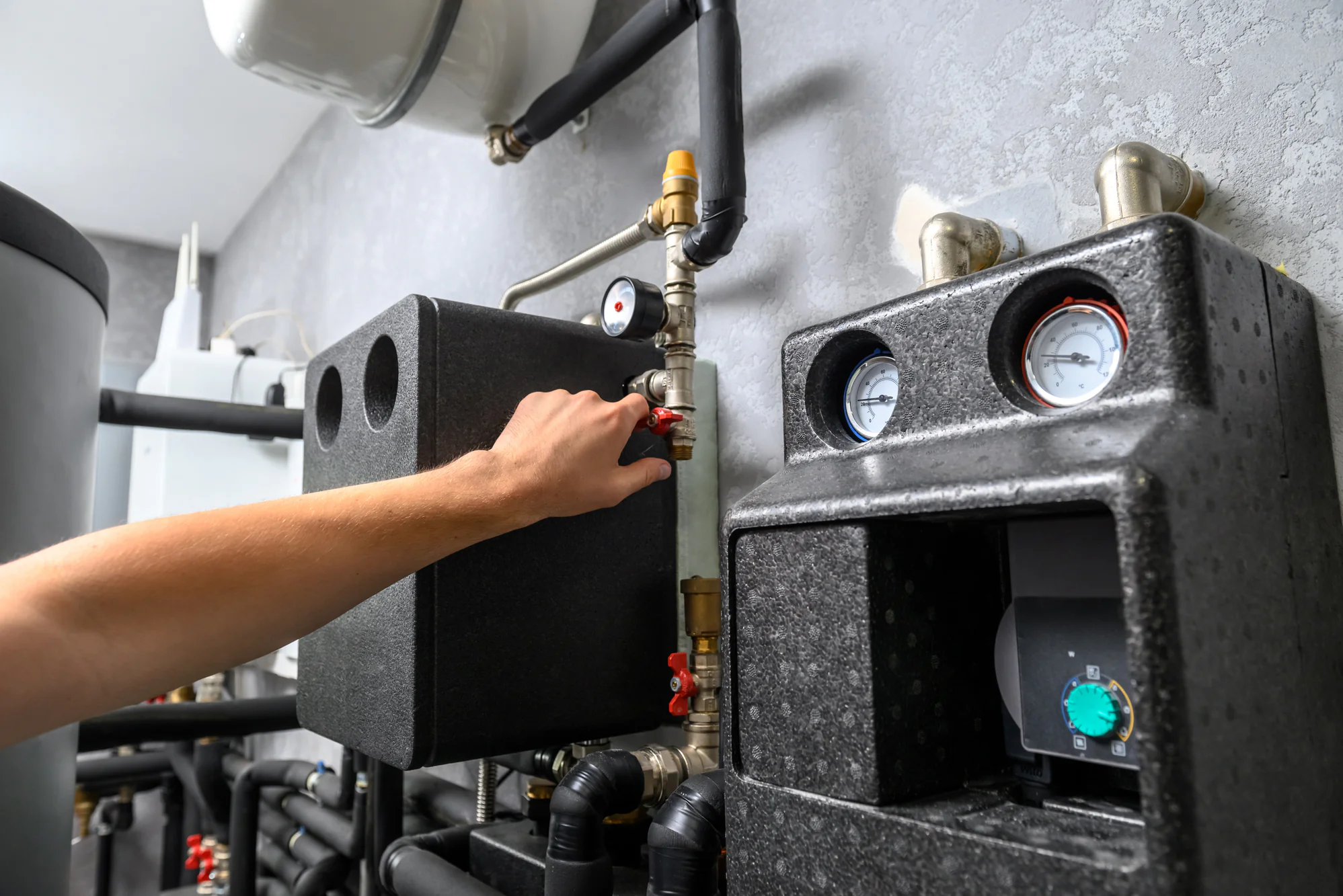
Residential Boiler Replacement Montclair Heights, NJ
A boiler replacement isn’t just about avoiding a breakdown. It’s about stopping the slow drain that an aging system puts on your heating bills every single month. Older boilersthe kind common in Montclair Heights’ mid-century colonials and split-levelstypically operate at 60 to 70 percent efficiency. A modern high-efficiency unit runs at 90 to 98 percent. That gap translates directly into money leaving your pocket every winter, and it compounds year after year.
For a neighborhood where over a quarter of residents are 65 or older, reliable heat isn’t optional. A system that struggles through Februarymaking noise, cycling on and off, barely keeping rooms warmisn’t just inconvenient. It’s a real problem. A properly sized, properly installed replacement system heats your Montclair Heights home evenly, quietly, and without the anxiety of wondering whether it’ll make it through the next cold snap.
There’s also the practical side that doesn’t get talked about enough: homes in this area sit on a housing stock that’s 75-plus years old in many cases. That means some of these systems have been patched and repaired across multiple decades. At some point, the cumulative repair costs and fuel waste exceed what a new system would have cost. Getting that honest assessmentrather than another band-aid repairis exactly what changes when you work with someone who’ll tell you the truth.
Boiler Replacement Company Montclair Heights
We’ve been operating in Northern New Jersey since 1973. Our office is in Montclairliterally next door to Montclair Heights, just across the county line. This isn’t a company driving in from another part of the state. The neighborhoods along Normal Avenue, the older homes near the Montclair Heights train station, the steam systems tucked into basements throughout the 07012 and 07013 zip codesthis is familiar ground.
We hold NJ HVACR Contractor License #19HC00022600 and HIC Registration #13VH05686500, both verifiable through the NJ Division of Consumer Affairs. Five hundred-plus Google reviews at a 5.0 rating, HomeAdvisor Screened and Approved for five consecutive yearsthese aren’t numbers to gloss over. In a service category where 4.2 is considered strong, a perfect rating across that volume means something.
What gets mentioned most in those reviews isn’t speed or price. It’s that we told customers the truthincluding when the truth was that they didn’t need a full replacement. That’s the kind of contractor worth calling.

Gas Boiler Replacement Process Montclair Heights
It starts with a real assessment. When we come out to your Montclair Heights home, the first job is figuring out what you actually neednot assuming you need a full replacement before anyone’s looked at anything. The age of the system, its repair history, the current efficiency, and what a replacement would realistically cost versus what continued repairs would costall of that gets laid out clearly. If repair still makes financial sense, you’ll hear that. If it doesn’t, you’ll understand why.
Once replacement is the right call, the process moves into equipment selection. Montclair Heights has a significant number of homes with one-pipe and two-pipe steam systemsthe kind of setup that requires specific expertise, not just a standard hot water boiler swap. We match the right equipment to your existing distribution system, your home’s heating load, and your fuel type. Brands like Weil-McLain, Burnham, and Peerless are common choices for this area’s building stock, and we work with all of them.
Installation typically happens in a single day for standard replacements. Before any work begins, you get a clear estimateno hidden fees, no surprise charges after the fact. Because Montclair Heights is within the City of Clifton, Passaic County, permits are required through the Clifton Building Department under the NJ State Uniform Construction Code. We handle permit compliance as part of every installation, so your work is done right, documented correctly, and won’t create problems if you ever sell the home.

Ready to get started?
Boiler Upgrade and Installation Montclair Heights, NJ
Our boiler replacement service covers the full range of residential systems found in Montclair Heightssteam boilers, hot water boilers, gas-fired systems, and oil-to-gas conversions for homes that haven’t made the switch yet. This matters here specifically because the neighborhood’s mid-century housing stock carries a disproportionate share of steam systems. One-pipe steam, two-pipe steam, gravity-fed configurationsthese aren’t setups that every HVAC contractor handles well. We’ve been working on steam systems in older Clifton neighborhoods, including Montclair Heights, for decades.
On the equipment side, every installation includes a proper BTU load calculation for your home’s actual square footage and layout. Venting requirements, chimney liner compatibility, and fuel supply are all assessed before anything is ordered. For homes along the higher terrain of Montclair Heightswhich sits at elevated ground compared to much of Clifton’s river valleyproper system sizing matters more than people realize, because under-sized equipment works harder and wears out faster.
Replacement cost in New Jersey typically ranges from $3,500 to $9,000 for a standard gas boiler installation, with high-efficiency condensing units running $6,000 to $11,000 depending on system complexity, venting, and any conversion work required. We give you a specific number before the job startsnot a range designed to leave wiggle room after the fact. We service and install all major brands: Weil-McLain, Utica, Burnham, Peerless, and Slant/Fin among them.

How do I know if my Montclair Heights home needs a boiler replacement or just a repair?
The honest answer is that it depends on the age of the system and the cost of what’s wrong with it. A useful rule of thumb: multiply the repair cost by the age of the boiler in years. If that number approaches or exceeds $5,000, replacement is usually the smarter financial move. For example, a $400 repair on a 15-year-old boiler is probably worth doing. A $600 repair on a 30-year-old system is a different conversation.
In Montclair Heights specifically, a lot of homes are sitting on systems that are well past the 15-to-25-year average lifespan for a residential boiler. The median home construction year here is 1948, which means even a “newer” boiler in one of these homes may have been installed in the 1990s. When we come out, the assessment covers repair cost, system age, current efficiency, and parts availabilitybecause sourcing parts for older systems gets expensive and unreliable. You get a clear picture before any decision is made.
How much does boiler replacement typically cost in the Clifton, NJ area?
For a standard residential gas boiler installation in New Jersey, the typical range is $3,500 to $9,000. High-efficiency condensing unitswhich operate at 90 percent AFUE or bettergenerally run $6,000 to $11,000 installed, depending on venting requirements, system configuration, and whether any conversion work is needed.
Several factors push costs toward the higher end: steam systems require more specialized work than hot water boilers, oil-to-gas conversions add complexity, and homes that need chimney liner upgrades or new venting runs will see higher totals. Montclair Heights homes, given their age and the prevalence of steam systems in the neighborhood, sometimes fall into that more complex category. We give you a specific written estimate before any work startsnot a ballpark that shifts once the job is underway. Permit fees through the Clifton Building Department are also factored in, so there are no surprises on the back end.
What is the difference between a steam boiler and a hot water boiler, and does it matter for replacement?
It matters quite a bit, especially in a neighborhood like Montclair Heights. A hot water boileralso called a hydronic systemheats water and circulates it through pipes to radiators or baseboard units. A steam boiler heats water until it becomes steam, which then rises through pipes and radiators by pressure alone. Steam systems were the standard in homes built before and during the mid-20th century, which is exactly the era when most of Montclair Heights was developed.
Replacing a steam boiler isn’t the same process as swapping out a hot water system. Pressure settings, venting, pipe pitch, and radiator compatibility all have to be addressed correctly. A contractor who primarily works on hot water systems may push a conversion to hot water simply because it’s easier for thembut that’s not always the right answer for the homeowner. We work on both, and the recommendation you get will be based on what actually makes sense for your home’s existing setup, not what’s most convenient to install.
Do I need a permit to replace a boiler in Clifton, NJ, and who handles that?
Yes, a permit is required. Boiler replacement in Clifton falls under the NJ State Uniform Construction Code, and the permit is issued through the Clifton Building Department at 900 Clifton Avenue. The work also needs to be inspected by a licensed subcode officialClifton employs Class 1 subcode officials, which is the highest rating under NJ’s system.
This matters for a few reasons beyond just legal compliance. Unpermitted boiler work can void your equipment manufacturer’s warranty. It can also create complications if you sell your home, since a buyer’s inspector or their attorney may flag unpermitted mechanical work during the transaction. We pull permits as a standard part of every boiler installation in Cliftonit’s not something you have to ask about separately or chase down on your own. The job gets done correctly, inspected, and documented so there’s a clean record attached to the property.
How long does a boiler replacement actually take from start to finish?
For most standard residential replacements, the installation itself is completed in a single day. That includes removing the old unit, installing the new boiler, connecting it to the existing distribution system, testing pressure and operation, and confirming everything is running correctly before the crew leaves.
More complex jobssteam system replacements, oil-to-gas conversions, or situations where venting needs to be reconfiguredmay require an additional day. The assessment beforehand will give you a realistic timeline so you’re not caught off guard. For Montclair Heights homeowners, particularly those who are older or have family members at home who depend on consistent heat, we also offer 24/7 emergency availability. If a system fails in the middle of a January night, you’re not waiting until Monday morning for a callback. Common parts are stocked on the trucks, so in many cases an emergency repair or same-day replacement can be completed in a single visit.
Is a high-efficiency boiler actually worth the higher upfront cost for a home in Montclair Heights?
For most Montclair Heights homes, yesand the math is more straightforward than the sales pitch usually makes it sound. An older boiler running at 65 percent AFUE wastes roughly 35 cents of every dollar you spend on heating fuel. A high-efficiency condensing unit running at 95 percent AFUE wastes about 5 cents. That’s a 30-percentage-point difference in fuel efficiency, applied to every single heating bill from October through April in a Northern New Jersey winter.
For a home spending $250 a month on heat across a five-month heating season, that inefficiency costs roughly $375 per year in wasted fueland that’s a conservative estimate for a larger mid-century home. Over ten years, the cumulative waste can easily reach $3,500 to $4,000 or more, which starts to close the gap between a standard replacement and a high-efficiency upgrade on its own. Add in the ENERGY STAR lifetime savings dataapproximately $780 compared to a standard unitand the efficiency argument stops being a sales pitch and starts being arithmetic. We’ll walk you through the actual numbers for your specific system and usage before you decide.
Other Services we provide in Montclair Heights