
Boiler Installation in North Broadway
North Broadway Buildings Can't Afford a Boiler Failure
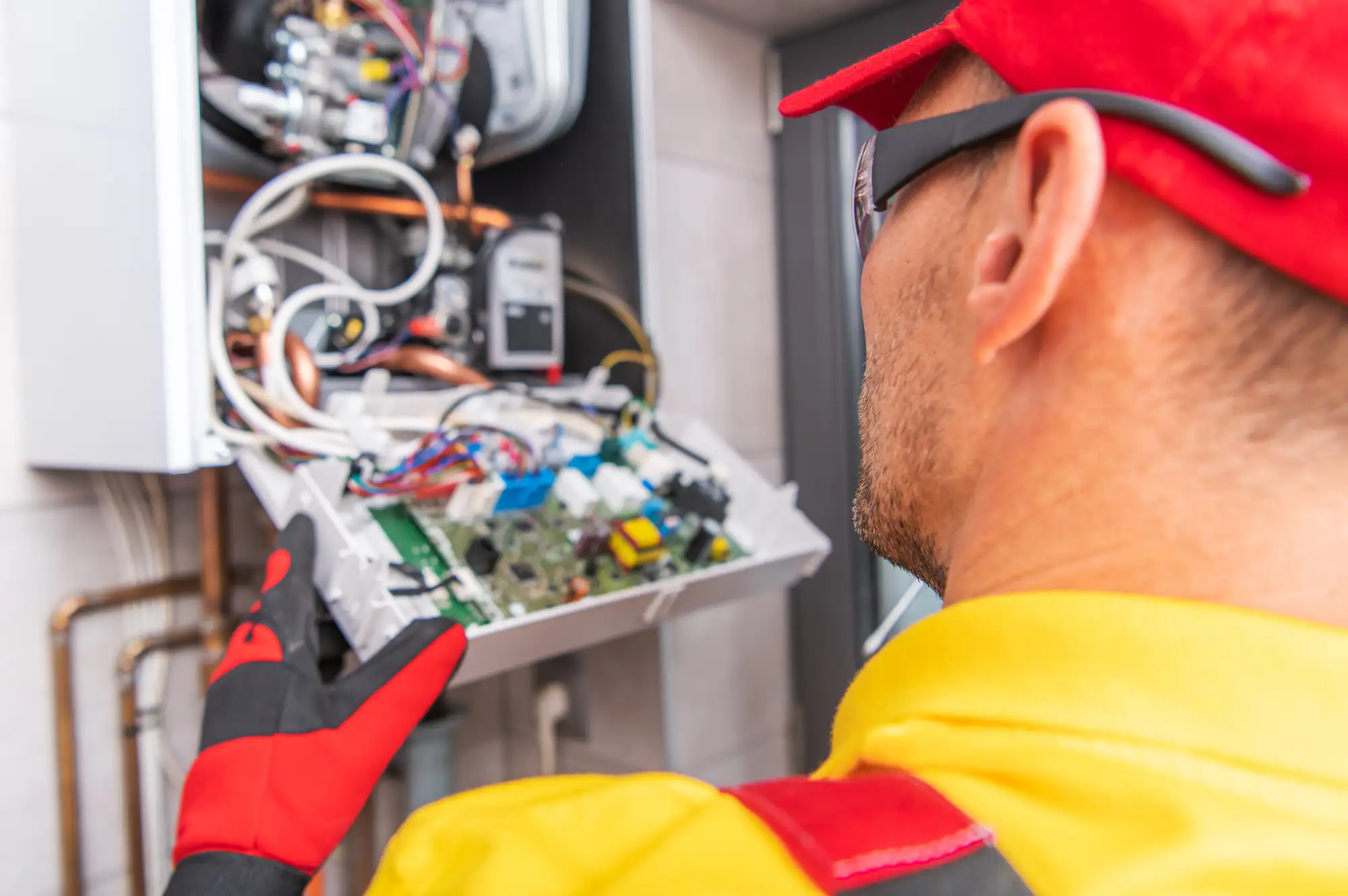
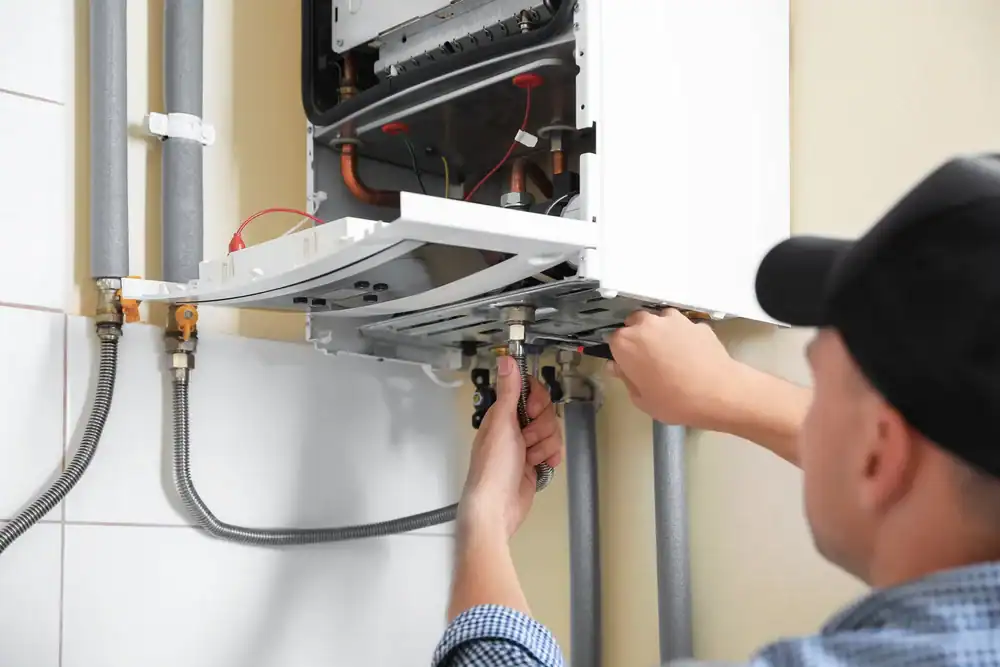
Residential Boiler Installation Newark NJ
Most of the buildings along North Broadway’s dense residential blocks were constructed before World War II. The heating systems in many of those buildingssteam boilers feeding cast-iron radiators, no ductwork, no forced airare original equipment or close to it. Even the ones that were replaced in the seventies or eighties are now pushing 40 to 50 years old.
At some point, the question stops being “should I replace it?” and starts being “when does it fail, and am I ready?”
When you’re a building owner responsible for multiple families, that question has real stakes. Newark’s housing code requires you to maintain indoor temperatures of at least 68°F during the heating season. If the boiler goes down and you can’t restore heat fast, the city has the authority to send in their own contractors and bill you for it. A new, properly installed boiler removes that exposure entirely.
Beyond the compliance piece, there’s the operating cost side. An aging boiler running at low efficiency is burning more fuel than it needs to. A modern high-efficiency unitrunning at 95% or bettercan meaningfully cut what you spend on heat each year across the building. For a multi-unit property in North Broadway, that adds up fast.
Licensed Boiler Installer North Broadway NJ
Adriatic Aire LLC is headquartered in MontclairEssex County, same as North Broadway and Newark. That’s not a technicality; it means we know this market. We know the older building stock in the North Ward. We know what Newark’s inspectors look for. And we know what it takes to get a boiler installation permitted, inspected, and signed off properly through the city’s process.
We’re licensed under New Jersey Division of Consumer Affairs license number 13VH05686500, and we’re fully bonded and insured. For a building owner in North Broadway managing rental units and habitability compliance, that’s not a box-checking detailit’s the baseline for protecting yourself if anything ever goes sideways.
Ross Pucci leads the operation, and our reviews reflect what that means in practice: honest assessments, no pressure, and work that actually holds up after the job is done.
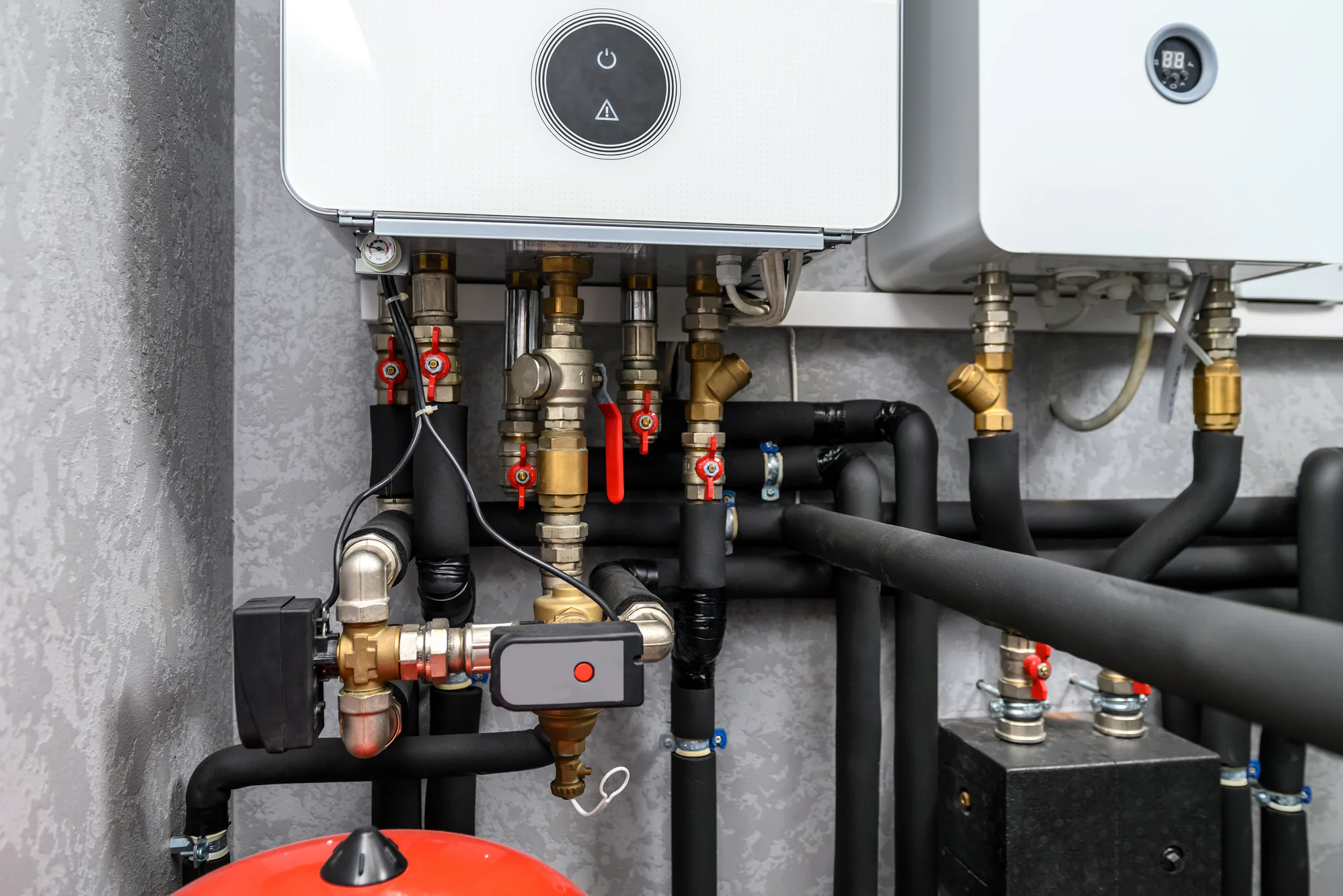
Boiler Replacement Process North Broadway Newark
It starts with a free estimate. You describe the situationthe building, the current system, what’s been happeningand we come out to assess it. No charge, no commitment.
Before any equipment gets recommended, we perform a proper load calculation for your building. In a multi-unit property in North Broadway, that step matters more than most contractors let on. An undersized boiler can’t keep all your units warm on a cold January night. An oversized one short-cycles, burns through components faster, and wastes fuel. Getting the sizing right from the start is what separates a system that performs for 20 years from one that causes problems in year three.
Once the right system is selected, we handle the mechanical permit through Newark’s construction office. This is required under New Jersey’s Uniform Construction Code, and it’s not optionala boiler installation without a permit creates real problems during the city’s mandatory habitability inspections. The permit process also triggers the inspection that confirms the system was installed to code, which protects your warranty and your tenants.
After installation, we run a full operational test before we leave. Every zone, every unitconfirmed working before handoff. You’re not left guessing whether the third-floor apartment is getting heat.

Ready to get started?
Gas Boiler Installation North Broadway NJ
North Broadway’s pre-war buildings were built with steam or hot-water distribution systems, and that shapes every boiler installation in this neighborhood. Replacing the boiler in a building like this isn’t the same as dropping a unit into a modern single-family home. The existing piping, radiators, and venting all factor into what equipment is compatible, how it needs to be configured, and what efficiency rating is realistically achievable.
We work through that compatibility assessment before recommending anything.
For buildings currently on oil heat, gas conversion is worth discussing. PSE&G serves the Newark area and offers rebate programs for qualifying high-efficiency installationsin some cases, those rebates are substantial enough to meaningfully offset the upfront cost of a new system. If your building qualifies, that’s worth knowing before you commit to a direction.
We install both gas and high-efficiency condensing boilers, and we source equipment from respected manufacturers. Whether the building in North Broadway needs a straightforward gas boiler replacement or a more involved system upgrade, the process follows the same standard: proper sizing, code-compliant installation, full permit, and a tested system before the job is closed out. No unnamed packages, no upsellsjust the work the building actually needs.

Does a boiler installation in North Broadway require a permit from the city?
Yes, and this is one of the most important things to confirm before hiring any contractor in North Broadway or anywhere else in Newark. Under New Jersey’s Uniform Construction Code, a mechanical permit is required for every boiler installation. That permit is pulled through Newark’s local construction office, and an inspection must be completed before the system is placed into service.
This matters more than it might seem. Newark’s Office of Compliance conducts mandatory habitability inspections on rental properties every three years and upon change of occupancy. A boiler that was installed without a permiteven if it’s running finecreates a compliance problem the moment an inspector walks through the building. It can also void the manufacturer’s warranty. We handle the permitting process as part of every installation, so you’re not left managing that on your own.
How do I know what size boiler my North Broadway building actually needs?
Sizing a boiler for a multi-unit building in North Broadway is different from sizing one for a single-family home in the suburbs. The calculation has to account for the total heating load across all units, the building’s age and insulation characteristics, the existing distribution system (steam vs. hot water, pipe sizing, radiator capacity), and the fuel type. Pre-war buildings in the North Ward often have original cast-iron radiator systems that were designed around older, oversized boilerswhich means a direct replacement without a proper load calculation can result in a unit that’s either too large or too small for how the building actually performs today.
We perform a load calculation before recommending any equipment. An oversized boiler short-cycles, which means it fires up and shuts down repeatedly without completing a full heating cyclethat wastes fuel and accelerates wear on the system. An undersized boiler simply can’t keep all your units warm when temperatures drop in January or February. Getting this right at the start is what determines whether the system performs well for the next 20 years.
What are Newark's heating requirements for landlords, and how does a new boiler help?
Newark’s housing code requires landlords to maintain indoor temperatures of at least 68°F between 6 AM and 10 PM from October 1 through May 31, whenever outside temperatures fall below 55°F. That heating season covers the full stretch of cold weather in the North Ward, and the requirement applies to every occupied unit in the buildingnot just common areas.
When a boiler fails during that window, the landlord is legally responsible for restoring heat promptly. If it isn’t restored, the city has the authority to engage its own contractors and bill the building owner for the cost. A new, properly sized boiler eliminates that exposure. Beyond the compliance piece, a modern system is simply more reliablefewer breakdowns, more consistent heat distribution across all units, and lower operating costs compared to an aging system that’s been patched together over the years.
Should I repair my building's old boiler or replace it entirely?
That depends on the age of the system, how many repairs it’s had recently, and what those repairs are costing you. A general rule of thumb: if the boiler is more than 15 to 20 years old and has needed two or more significant repairs in a single heating season, replacement typically becomes more cost-effective within two to three years when you account for avoided repair bills and improved efficiency.
For older buildings in North Broadwaywhere the housing stock is predominantly pre-war or mid-century constructionmany boilers are already well past that threshold. A system that was installed in the 1980s as a replacement for the original equipment is now 40-plus years old. At that age, the question isn’t whether it will fail; it’s whether it fails on your terms or in the middle of a February cold snap with a building full of tenants. We’ll give you an honest read on where your system standsif repair is the right call, that’s what we’ll tell you.
Can I get a rebate on a new high-efficiency boiler installation in the Newark area?
Potentially yes, and it’s worth looking into before you commit to a system. PSE&G serves the Newark area and has offered rebate programs for qualifying high-efficiency boiler installations in New Jerseyin some cases, those rebates have been significant enough to meaningfully reduce the net cost of a new system. Eligibility typically depends on the efficiency rating of the equipment being installed and whether the installation meets the program’s requirements.
High-efficiency condensing boilersunits running at 95% AFUE or betterare generally the equipment that qualifies. Compared to an older system running at 80% efficiency or below, the fuel savings on a multi-unit building add up year over year, on top of whatever rebate is available upfront. It’s worth having the conversation about what systems qualify before you decide on equipment. We can walk you through what’s currently available and whether your building’s situation fits.
How long does a boiler installation typically take in a multi-family building?
For most multi-unit residential buildings in North Broadway, the physical installation itself takes one to two days depending on the complexity of the job. Factors that affect the timeline include whether the existing system is steam or hot water, whether any venting or piping modifications are needed, the accessibility of the boiler room, and whether a fuel conversion is involved. Buildings along North Broadway’s older residential blocks often have original steam distribution systems, which require more careful attention during a boiler swap than a straightforward hot-water replacement.
The permit and inspection process adds time beyond the installation itself. Newark’s construction office processes mechanical permits and schedules inspections, and that timeline can vary. We handle the permit application as part of the job, so you’re not managing that separately. The practical advice for building owners: don’t wait until the system fails to start the process. Scheduling a replacement in late summer or early fallbefore the heating season startsgives you more flexibility on timing and avoids the pressure of an emergency replacement in the middle of winter.
Other Services we provide in North Broadway