
Boiler Installation in Hoboken, NJ
Hoboken's Brownstones Demand More Than a Generic Install
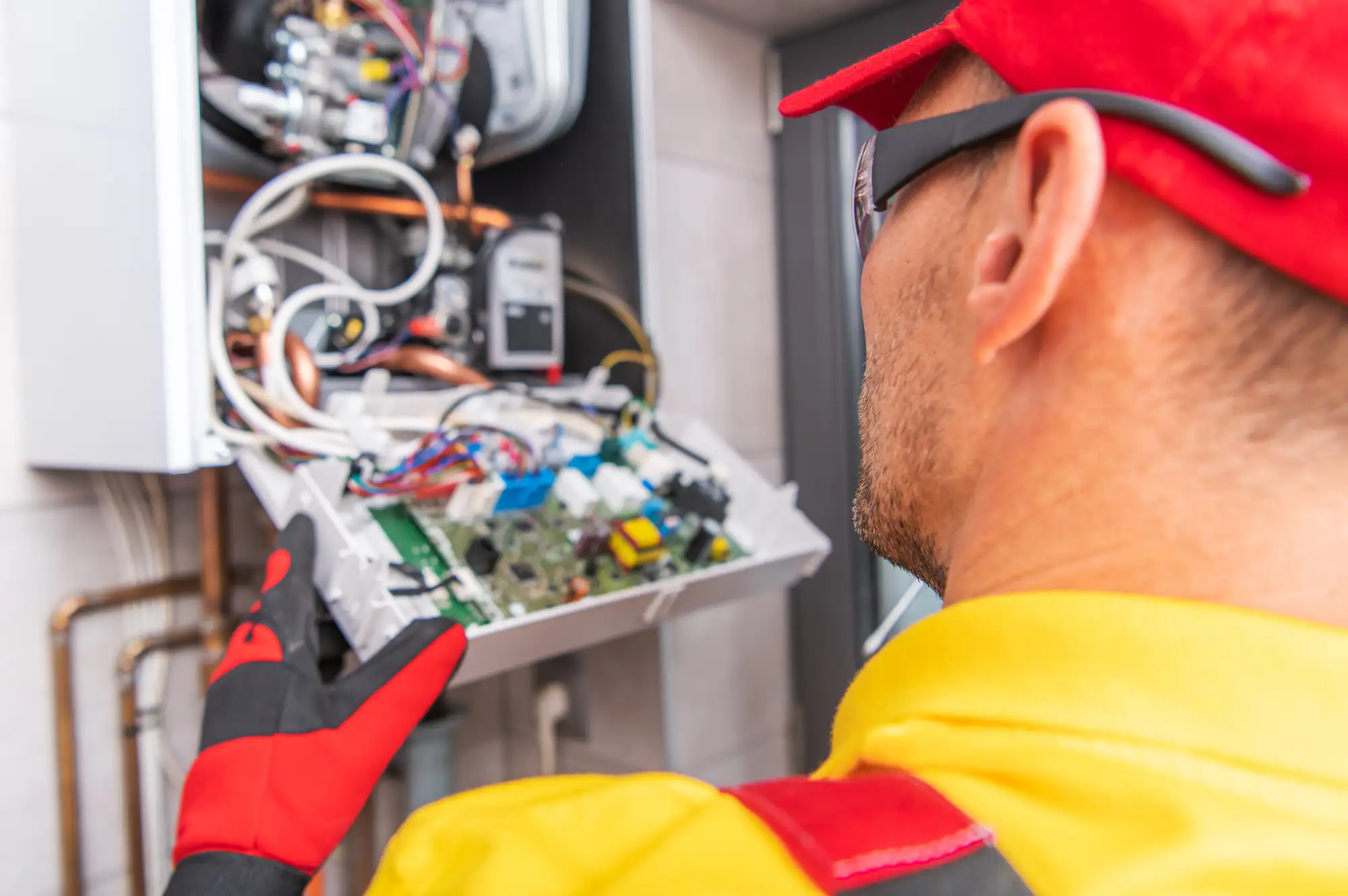
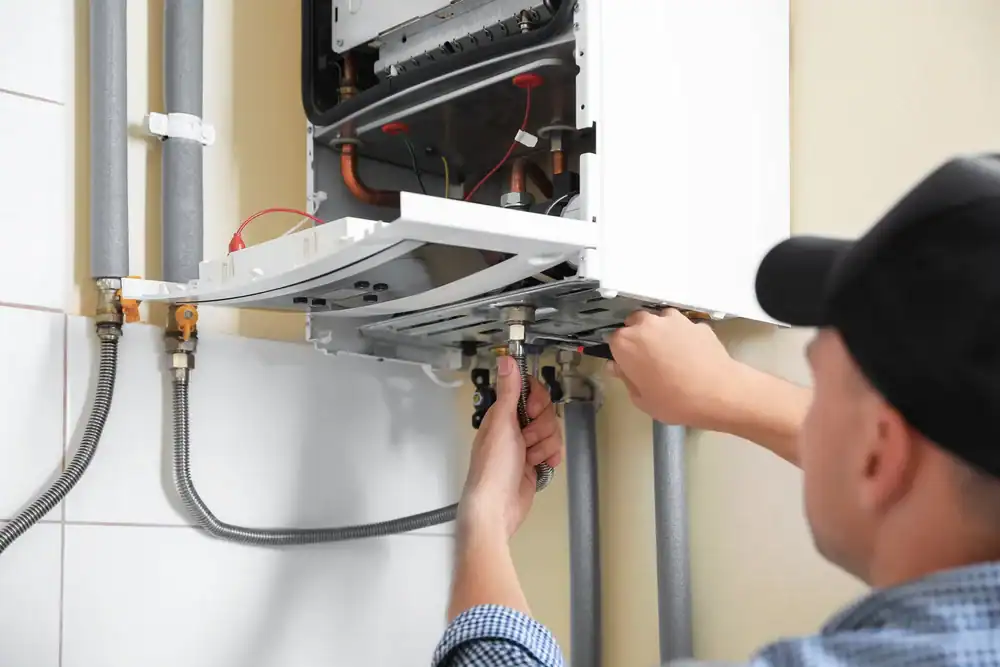
Residential Boiler Installation Hoboken, NJ
Most Hoboken homeowners don’t call about a boiler until something goes wrong. And when it does, in a shared brownstone system, you might be dealing with a cold building, not just a cold apartment.
Getting the right contractor in quickly, and getting the install done correctly the first time, matters more here than almost anywhere else in Northern New Jersey.
When your heat is back on and the system is sized right for your space, you stop thinking about it. No uneven warmth, no short-cycling, no spike in your gas bill because someone dropped in an oversized unit. A properly installed boiler in a pre-war Hoboken building runs quietly, heats evenly, and doesn’t need a callback visit two weeks later.
Hoboken’s older housing stockbrownstones and brick rowhouses built well over a century agooften runs on steam systems that most HVAC contractors simply aren’t comfortable with. Getting that kind of installation right requires knowing the difference between a one-pipe and two-pipe system, understanding how load sizing changes in a building with original plaster walls, and not cutting corners on the operational test before walking out the door.
Licensed Boiler Installer Hoboken, NJ
Adriatic Aire LLC is a licensed, bonded, and insured HVAC contractor based in Montclair, NJabout 7 miles from Hobokenserving residential and commercial customers throughout Northern New Jersey, including Hudson County where Hoboken is located.
Our NJ Master HVACR Contractor License #13VH05686500 is publicly verifiable through the NJ Division of Consumer Affairs, which matters when a condo board or building manager asks for documentation before they let anyone touch the mechanical room.
Ross Pucci runs the business personally. That means when you call, you’re not being routed through a dispatch center. Customers consistently use the word “honest” in their reviewsnot because it’s a talking point, but because Ross has a documented habit of recommending repair when repair makes more financial sense, even when replacement would have been the bigger job.
Whether you’re in a converted brownstone off Washington Street, a newer condo in Uptown, or a multi-family building in the northwest part of Hoboken, we’ve worked in buildings like yours. Free estimates, same-day availability, and 24/7 service aren’t slogans herethey’re how we actually operate.
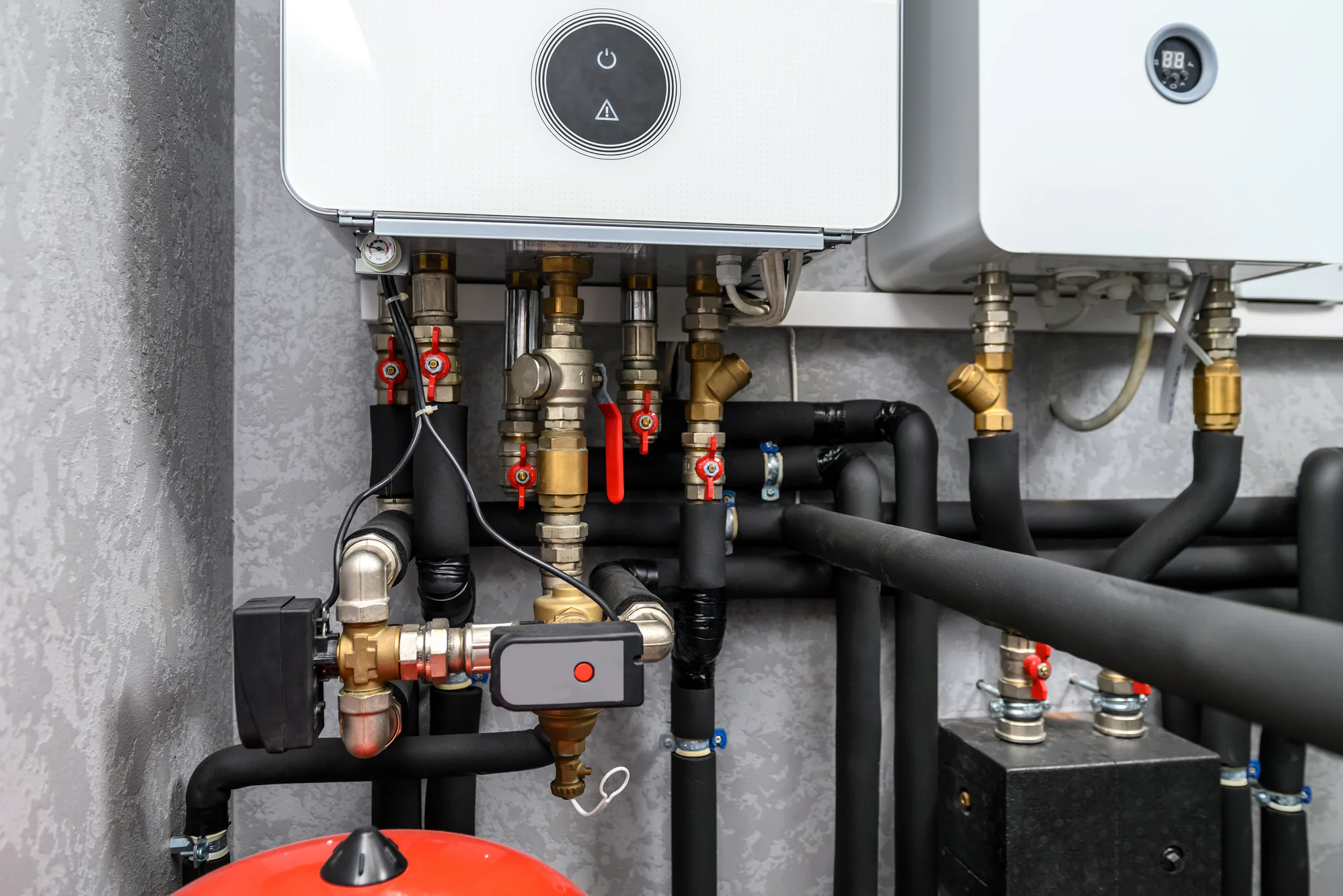
New Boiler Installation Process Hoboken, NJ
It starts with a free estimate. Before anything else, our goal is to understand your buildingits age, its current system, its actual heating load.
In Hoboken, that means accounting for things a suburban contractor might not think twice about: the construction era of your building, whether you’re on a steam or hot water system, and whether the mechanical room can physically accommodate the unit you need. An oversized boiler in a compact Hoboken brownstone is a problem that shows up in your energy bill and your repair history for years.
Once the right system is identifiedwhether that’s a high-efficiency gas boiler, a condensing unit, or a combi-boiler that handles both heat and hot water in a single compact footprintwe handle the permitting. In Hoboken, that means pulling a mechanical permit through the city’s Division of Construction Code at City Hall on Washington Street before work begins.
Skipping that step isn’t something a licensed contractor does, and it’s not something you want to discover was skipped when you go to sell the unit.
Installation day is straightforward. Our crew works efficiently, respects the building, and doesn’t leave until the system has been fully tested and confirmed operational. If your building manager or condo association needs documentationlicensing, insurance certificates, permit numbersthat’s ready before anyone shows up.
Ready to get started?
Gas Boiler Installation Services Hoboken, NJ
We install gas boilers, high-efficiency condensing boilers, hot water (hydronic) systems, steam boilers, and combination boilers for both residential and commercial customers in Hoboken. The right choice depends on what your building already has, how much mechanical space you’re working with, and what your heating goals are.
For Hoboken’s pre-war brownstones, steam boiler replacement is often the most straightforward pathbut it’s also the most technically demanding. Proper load sizing, correct pipe configuration, and functional air venting aren’t optional details; they’re what separates a system that heats evenly from one that bangs, hisses, and costs a fortune to run.
If you’re considering converting from steam to a modern hot water system, that’s a conversation worth having honestlythe upfront cost is higher, but the long-term efficiency gains are real.
For newer Hoboken condos and loft conversions where space is at a premium, combination boilers are increasingly the practical answer. A combi-boiler handles both space heating and domestic hot water in a single wall-mounted unit, which eliminates the need for a separate water heater in buildings where every square foot matters.
Hoboken is served by PSE&G, and qualifying high-efficiency installations may be eligible for rebates through PSE&G’s programsworth factoring in before you decide on a system. All work we perform is in compliance with the New Jersey Uniform Construction Code and Hoboken’s local permit requirements.

Do I need a permit for boiler installation in Hoboken, NJ?
Yes, and this isn’t optional. In Hoboken, boiler installation falls under the New Jersey Uniform Construction Code, which requires a mechanical permit to be pulled through the city’s Division of Construction Code before work begins. The office is located at City Hall, 94 Washington Street.
Inspections are required after the work is completed, and a Certificate of Approval is issued once everything passes. This matters for a few reasons beyond just legal compliance. If you live in a condo or multi-unit brownstone, your building manager or HOA will almost certainly require proof that permitted work was performed before allowing contractor access.
And when you eventually sell, unpermitted mechanical work shows up in title searches and can create real problems with buyers and lenders. We pull the permit as a standard part of the jobit’s not an add-on or an upgrade.
How do I know if I should repair or replace my boiler?
The honest answer depends on the age of the system and what’s been going wrong with it. Most boilers last between 15 and 25 years depending on installation quality and how well they’ve been maintained.
If your system is past that window and has needed more than one repair in a single heating season, the math on continued repairs usually stops making sense within a year or two. That said, not every failing boiler needs to be replaced. A boiler that’s 12 years old with a single component failure may be a straightforward repair.
The problem is that many contractors have a financial incentive to recommend replacement regardless of what the situation actually calls for. We have a documented track recordin real customer reviewsof recommending repair when repair is the better financial decision. If you’re not sure where your system stands, a free estimate gives you an honest read before you commit to anything.
What's the difference between a steam boiler and a hot water boiler in a Hoboken brownstone?
This is one of the most important questions for anyone dealing with a heating system in one of Hoboken’s pre-war brownstones. Steam boilers heat water until it becomes steam, which then travels through pipes to radiators throughout the building. Hot water (hydronic) boilers heat water and circulate it as a liquid through the same type of radiator setup.
Both systems use radiators, which is why they look similar from the insidebut they operate very differently and are not interchangeable without significant work. Steam systems are more common in Hoboken’s oldest buildings because that was the dominant technology when most of the city’s brownstones were built in the mid-1800s through early 1900s.
They require more precise sizing and maintenance than hot water systems, but they’re not inherently inferiora well-maintained steam boiler in a properly configured building works well. If you’re replacing a steam boiler and considering a conversion to hot water, the cost is higher upfront but can improve efficiency and reduce maintenance over time. That tradeoff is worth discussing specifically for your building before making a decision.
What is a combi-boiler and does it make sense for my Hoboken apartment?
A combination boilercommonly called a combi-boilerhandles both space heating and domestic hot water in a single wall-mounted unit. There’s no separate water heater tank, which is the main reason they’ve become popular in Hoboken’s urban housing market.
When your mechanical room is a narrow closet in a converted loft or a tight basement space in a brownstone, eliminating the water heater tank frees up meaningful space and simplifies the overall system. Combi-boilers are a practical fit for smaller Hoboken unitsstudios, one-bedrooms, and two-bedrooms where hot water demand is relatively predictable.
In larger units or multi-family buildings with higher simultaneous hot water demand, a traditional boiler paired with an indirect water heater may be a better match. The right answer depends on your specific unit, your building’s configuration, and how your hot water is currently supplied. Brands like Navien offer high-efficiency combi-boiler options (95%+ AFUE) that are Energy Star certified and may qualify for PSE&G rebates, which can meaningfully offset the installation cost.
How much does boiler installation cost in Hoboken, NJ?
Boiler installation in New Jersey typically ranges from around $3,500 on the lower end for a straightforward replacement to $12,000 or more for complex installs involving system conversions, venting upgrades, or larger commercial applications. Most residential replacements in the Northern NJ market fall somewhere in the middle of that range, with the average closer to $8,750 depending on the system type, efficiency rating, and scope of work involved.
In Hoboken specifically, a few factors can affect where your project lands in that range. If you’re converting from a steam system to a hot water or combi-boiler setup, that adds cost because of the pipe and venting changes involved. If your building requires a chimney liner upgrade for proper venting of a new high-efficiency unit, that’s an additional line item.
Permit fees through Hoboken’s Construction Code office are also part of the total cost. The best way to get an accurate number for your specific building is a free estimatethat’s where you find out what’s actually involved in your situation, not just what the average looks like.
Can Hoboken residents get rebates or incentives on a new high-efficiency boiler?
Yes, and it’s worth looking into before you decide on a system. Hoboken is in PSE&G’s service territory, and PSE&G has offered rebates for qualifying high-efficiency boiler installations through its energy efficiency and decarbonization programs. The rebate amounts vary based on the equipment and the specific program in effect at the time of installation, but they can be substantial enough to meaningfully change the cost calculation on a high-efficiency unit versus a standard one.
On the federal side, the Inflation Reduction Act created tax credits for qualifying high-efficiency heating equipment, which may apply depending on the system you install and your tax situation. A boiler that achieves 95% AFUE or highermeaning only 5 cents of every dollar in fuel is wasted, compared to 20 cents with an 80% AFUE unitis the type of equipment that tends to qualify for these programs.
The combination of lower operating costs over time and available rebates makes high-efficiency boilers a stronger financial case than they might appear at first glance. We can walk you through what’s currently available when you schedule your free estimate.
Other Services we provide in Hoboken