When to Call a Jersey City Air Conditioning Repair Service for Your Historic Home
Share:

You bought your Jersey City brownstone for the high ceilings, the original millwork, the character that comes with a home built in 1890. What you didn’t buy it for? Sweating through July because the AC isn’t cutting it—or worse, watching a contractor suggest tearing out plaster walls to install ductwork. Historic homes come with cooling challenges that newer construction simply doesn’t face. Knowing when to call an air conditioning repair service, and which one to trust with your home’s integrity, makes the difference between comfort and catastrophe. Let’s start with what actually goes wrong in older homes and when you need professional eyes on the problem.
Signs Your Historic Home Needs Air Conditioning Repair
Your AC system won’t always announce its problems with a dramatic breakdown. More often, it gives you warnings—subtle at first, then impossible to ignore. In historic homes especially, these signs can be easy to miss or dismiss as “just how old houses are.”
They’re not. If your vents are blowing warm air when the system’s running, that’s not normal. If one room feels like a sauna while another stays comfortable, that’s not just poor insulation. And if you’re hearing grinding, banging, or squealing noises from your unit, that’s definitely not something to ignore until it gets worse.
The challenge with older homes is that some issues mask themselves as building quirks. Uneven temperatures might seem like a ductwork problem when it’s actually a failing compressor. Weak airflow could look like a filter issue when the real culprit is a blower motor on its last legs. Understanding the difference helps you know when to pick up the phone.
Weak Airflow and Strange AC Noises That Need Professional Attention
Let’s talk about airflow first. You turn on the AC, walk over to a vent, and barely feel anything coming out. Your first instinct might be to check the filter—and you should. A clogged filter is the easiest fix and the most common cause of restricted airflow. But if you’ve replaced the filter and the problem persists, you’re likely dealing with something deeper.
Weak airflow in historic homes often points to ductwork issues. Many brownstones and older row houses have duct systems that were retrofitted decades after the home was built. These systems can develop leaks, disconnections, or blockages over time. According to the Department of Energy, up to 20-30% of conditioned air can escape through poorly connected or damaged ducts. That’s not just uncomfortable—it’s expensive. Your system works harder, your energy bills climb, and you’re still not cool.
Sometimes the problem isn’t the ducts at all. A failing blower motor, a malfunctioning compressor, or refrigerant issues can all reduce airflow. These aren’t DIY fixes. They require diagnostic tools, refrigerant handling certifications, and an understanding of how HVAC systems actually function. Trying to troubleshoot these on your own wastes time and can make the problem worse.
Now, about those noises. Air conditioners are designed to run quietly. A low hum is normal. Rattling, grinding, squealing, or banging are not. Each sound points to a specific issue. Rattling usually means loose parts or debris in the outdoor unit. Grinding suggests motor bearings that are wearing out. Squealing often indicates a belt problem. Banging can mean a component has come loose or broken entirely.
In older homes with window units or ductless systems mounted on historic facades, these noises can be even more concerning. You don’t want a failing unit damaging your exterior or creating safety hazards. The longer you wait, the more likely a small issue becomes a major repair—or a full replacement. If your system is making sounds it didn’t make last month, it’s time to call someone who can diagnose the issue before it escalates.
Why Your Energy Bills Are Climbing and Rooms Stay Unevenly Cool
Your energy bill just arrived and it’s higher than last month. You haven’t changed your cooling habits. You’re not running the AC more than usual. So what’s going on? An inefficient AC system is often the answer, and in historic homes, inefficiency can come from multiple directions at once.
Older homes weren’t built with energy efficiency in mind. Thick masonry walls, single-pane windows, and minimal insulation all contribute to heat gain. But when your bills spike suddenly, the building itself isn’t usually the culprit—your AC system is. Dirty coils, low refrigerant, clogged filters, or failing components force your system to work harder to achieve the same cooling. That extra effort shows up on your utility bill.
Here’s the thing about refrigerant leaks: they don’t fix themselves. Refrigerant is what your AC uses to absorb heat from your home and release it outside. When levels drop, your system can’t cool effectively. It runs longer cycles, uses more electricity, and still leaves you uncomfortable. Fixing a refrigerant leak and recharging the system typically costs between $200 and $1,500 in New Jersey, depending on the severity and type of refrigerant. It’s not cheap, but it’s a lot less expensive than ignoring the problem until your compressor fails.
Uneven cooling is another red flag that something’s wrong. One bedroom stays cool while the living room feels like an oven. Or the first floor is comfortable but the second floor is unbearable. In historic homes, this can stem from poor ductwork design, undersized systems, or failing components that can’t keep up with demand.
Sometimes the issue is simpler—blocked vents, closed registers, or furniture blocking airflow. But when you’ve checked those basics and the problem remains, you’re likely dealing with a system that’s struggling. Maybe it’s an aging compressor that can’t maintain consistent pressure. Maybe it’s a thermostat that’s reading temperatures incorrectly. Or maybe the system was never properly sized for your home’s unique layout in the first place. A qualified air conditioning contractor can run diagnostics, measure airflow, and pinpoint exactly where the system is falling short.
Don’t assume uneven temperatures are just “how it is” in an old house. Yes, historic homes have challenges. But a properly functioning AC system, even in a 100-year-old brownstone, should keep you comfortable throughout the space. If it’s not, something needs attention.
Why Historic Homes Need Specialized AC Contractors
Not every HVAC company knows how to work in a home built before World War I. The challenges are different. The materials are different. The stakes are higher. You’re not just dealing with cooling—you’re dealing with preservation.
Historic homes in Jersey City, Bayonne, and Hoboken often feature plaster walls, original millwork, ornate ceiling details, and limited space for modern ductwork. Standard installation techniques don’t work. Drilling into the wrong wall can crack plaster that’s been intact for over a century. Running ducts through existing spaces requires creative routing and an understanding of how these homes were constructed. This isn’t work you want to trust to just anyone.
Contractors experienced with historic properties know which solutions make sense. Ductless mini-split systems, high-velocity HVAC, and mini-duct installations are often better fits than traditional central air. These systems require minimal structural modifications, preserve architectural integrity, and deliver effective cooling without tearing your home apart.
How to Choose AC Companies That Understand Old Homes
Experience matters. When you’re interviewing AC companies, ask how long they’ve been working in your area. A company that’s been serving Essex County for decades has seen every type of historic home challenge. They’ve worked in brownstones, row houses, and Victorian-era properties. They know what works and what doesn’t.
Look for contractors who offer transparent, upfront pricing. You should never feel pressured into a decision or surprised by hidden fees. A reputable air conditioning repair service will assess your home, explain the problem clearly, and provide a fixed price before any work begins. If they’re vague about costs or push you toward the most expensive option without explaining why, that’s a red flag.
Ask about their approach to historic properties specifically. Do they have experience with ductless systems? Have they worked in homes with plaster walls? Can they install equipment without damaging original features? The answers should be confident and detailed. If they brush off your concerns or suggest solutions that would require major structural changes, keep looking.
Certifications and licensing matter too. In New Jersey, HVAC technicians should be properly licensed and insured. They should be trained on the brands they install and service. Companies that work with leading manufacturers like Trane, Lennox, and others typically have higher standards and better access to parts and support.
Finally, pay attention to how they communicate. Do they listen to your concerns? Do they explain things in plain language without talking down to you? Are they respectful of your home and your time? The best contractors treat your property like it’s their own. They clean up after themselves, protect your floors and furnishings, and leave your home in better shape than they found it.
A family-owned, locally operated business often brings a level of care that larger chains can’t match. They’re invested in the community. Their reputation depends on word-of-mouth and repeat customers. That accountability shows up in the quality of their work.
What Happens During a Professional AC Repair Visit
When you call an air conditioning repair service, here’s what should happen. First, they’ll schedule a visit at a time that works for you. Flexibility matters, especially if you work from home or have a tight schedule. A good company respects your time and shows up when they say they will.
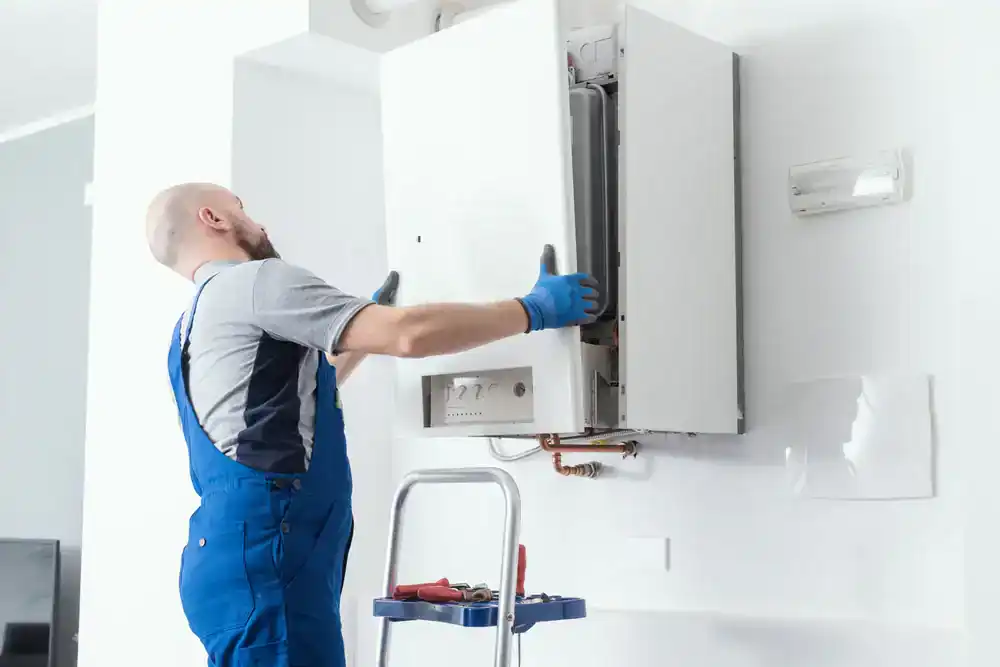
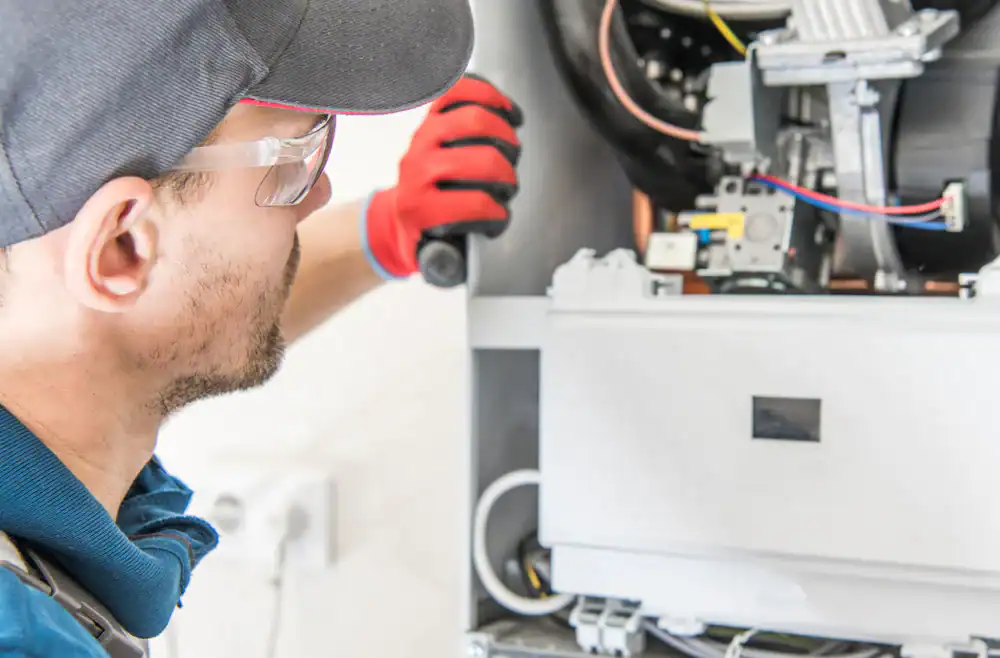
The technician should arrive with the tools and parts needed to diagnose and potentially fix common issues on the spot. They’ll inspect your system thoroughly—checking refrigerant levels, testing electrical connections, examining the compressor and fan motor, cleaning coils if needed, and assessing airflow throughout your home. In a historic property, they should also take note of how your system is integrated into the building’s structure.
Once they’ve identified the problem, they should explain it to you clearly. Not in technical jargon, but in terms you can understand. What’s wrong, why it’s wrong, what happens if you don’t fix it, and what the repair will cost. You should receive a fixed price before any work begins. No surprises.
If the repair is straightforward, they might complete it during that visit. If it requires ordering parts or more extensive work, they’ll schedule a follow-up. Either way, you should know exactly what to expect and when your AC will be back to full function.
After the repair, a good technician will test the system to make sure it’s working properly. They’ll check that airflow is strong, temperatures are consistent, and the unit is running quietly. They should also offer advice on maintenance—how often to change filters, what to watch for, and when to schedule tune-ups.
In historic homes, this process requires extra care. Technicians should protect your floors, avoid damaging walls or trim, and treat your home with respect. If they need to access tight spaces or work around delicate features, they should communicate what they’re doing and why. You shouldn’t have to worry about your home being damaged in the process of fixing your AC.
Finding Reliable HVAC Repair for Your Jersey City Historic Home
Your historic home deserves more than a quick fix from someone who doesn’t understand what they’re working with. It deserves a contractor who respects the architecture, knows how to solve cooling challenges without compromising character, and communicates honestly from start to finish.
When your AC starts showing signs of trouble—weak airflow, strange noises, rising bills, uneven temperatures—don’t wait until it fails completely. Catching problems early saves money and prevents the kind of emergency breakdowns that happen on the hottest day of summer. And when you do call for HVAC repair, make sure you’re working with a company that has the experience, transparency, and local knowledge to get it right.
We’ve been serving Jersey City, Bayonne, Hoboken, and Essex County since 1973. We understand historic homes because we’ve been working in them for over 50 years. If your AC isn’t keeping up and you need someone who’ll treat your home with the care it deserves, we’re here to help.
Article details:
- Published by:
- Adriatic Aire LLC
- Published to:
- Last modified:
- May 27, 2026
Share:
Continue learning: