
Heating Replacement in Newark, NJ
When Newark's Oldest Buildings Lose Heat, Landlords Can't Wait
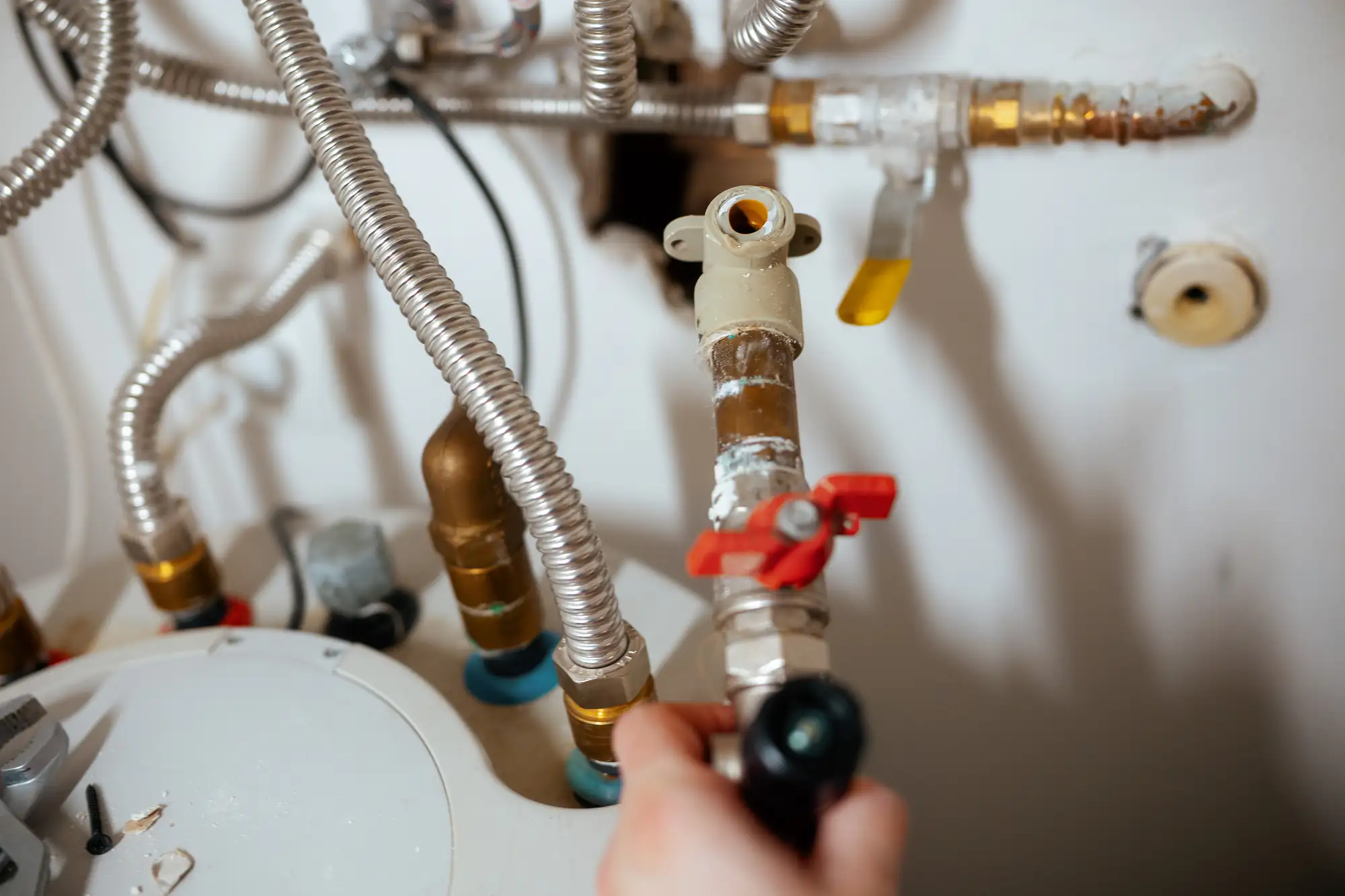

Boiler Replacement Newark, NJ
Newark’s housing code doesn’t give landlords much runway. Under Title XVIII and New Jersey state law, you’re required to keep every occupied unit at 68°F during the day and 65°F at night from October through mid-May. When a boiler goes down in a three-family building in the Ironbound or a six-unit walk-up in the North Ward, that clock starts immediately. Tenants have the right to withhold rent. They can file complaints. City inspectors can show up. A same-day replacement isn’t a luxury it’s how you stay on the right side of all of that.
Beyond the legal side, there’s the practical reality of what Newark’s housing stock actually looks like. A significant portion of the city’s pre-war buildings particularly in Forest Hill, Weequahic, and parts of the Ironbound are still running on aging oil systems or cast-iron steam boilers that were installed decades ago. These systems don’t give much warning before they quit. When they do, you’re not dealing with a minor repair you’re looking at a full replacement, often in an older building with tight basement access, shared flue configurations, and tenants waiting on heat.
Getting a new system in place the right way permitted through Newark’s Office of Uniform Construction Code, installed cleanly, and backed by a workmanship guarantee means you don’t have to revisit this problem next winter or the one after that.
HVAC Contractor Newark, NJ
Adriatic Aire has been serving Essex County since May 15, 1973. Newark is the county seat it’s not a peripheral stop on our service map, it’s the center of it. Over the past five decades, we’ve worked in the kinds of buildings that define Newark: pre-war boiler rooms in Forest Hill, two-family homes in the Ironbound, aging oil systems throughout the North Ward and Weequahic. We know what tight urban access looks like. We know what a 50-year-old steam boiler looks like when it finally gives out.
We’re family-owned, fully licensed under NJ HVAC License No. 19HC00022600, and carry a 5.0-star rating across more than 500 Google reviews. HomeAdvisor has recognized us as Screened and Approved for five consecutive years. We pull permits through Newark’s UCC office correctly, we show up when we say we will, and we back every installation with a workmanship guarantee. That’s the whole story no shortcuts, no surprises.

Heating System Replacement Newark, NJ
It starts with a free estimate. We come out, assess your existing system whether that’s an aging oil boiler, a gas furnace that’s past its useful life, or a cast-iron steam setup that’s been limping along and give you a clear picture of what replacement looks like, what it costs, and what your options are. No pressure, no upsell theater. Just an honest read on where things stand.
Once you’re ready to move forward, we handle the permit through Newark’s Office of Uniform Construction Code before any work begins. This is non-negotiable for us an unpermitted boiler replacement in a rental building is a liability that follows you through every future inspection and sale. We file it, we coordinate it, and we don’t skip it to save time.
The installation itself is adapted to what Newark buildings actually require. That might mean working within a tight basement boiler room, coordinating access around tenants in a multifamily building, or managing flue configurations in a pre-war structure. If you’re on oil and PSEG gas service runs to your building which it does throughout most of Newark’s neighborhoods we’ll walk you through whether an oil-to-gas conversion makes sense alongside the replacement. For many property owners in Newark, that conversation alone changes the long-term math significantly.
After installation, we verify everything is operating correctly before we leave, and the workmanship guarantee covers you from there.

Ready to get started?
Oil to Gas Conversion Newark, NJ
If your building is still on fuel oil, the replacement conversation is worth having in full. PSEG which is headquartered right here in Newark provides natural gas service throughout the city’s neighborhoods. Converting from oil to gas at the time of a heating system replacement eliminates the fuel delivery logistics that come with urban oil use, removes the city’s Rental Property Registration requirement to document and register your fuel oil dealer, and typically delivers meaningful long-term savings on monthly heating costs. For landlords managing multiple units, those savings add up fast.
For homeowners and landlords who need to spread the cost of a full replacement, we offer financing through FTL Finance. A heating system replacement in Newark particularly one that involves an oil-to-gas conversion is a significant investment, and financing makes it accessible without requiring full upfront payment at the moment you can least afford it: the middle of a January breakdown.
We service all major brands, including Trane, Lennox, Weil-McLain, and Utica. That last two matter specifically in Newark, where Weil-McLain and Utica boilers are common in the city’s older multifamily housing stock. Whether you’re replacing like-for-like or upgrading to a more efficient system, we’re not going to tell you what you need before we’ve actually looked at what you have. Free estimates mean you get that assessment before you’re committed to anything.

Do I need a permit to replace my boiler in Newark, NJ?
Yes, and this is one of the more important details to get right in Newark specifically. The city enforces the New Jersey Uniform Construction Code through its Office of Uniform Construction Code, and any heating system replacement boiler or furnace requires a permit before work begins. The permit fee for steam boilers and hot water boilers in Newark is $75 per special device, with a minimum fee of $58 and a DCA fee of $1 per $1,000 of the project value.
For landlords managing rental properties, this matters beyond just code compliance. An unpermitted installation becomes a documented liability that surfaces during housing inspections, property sales, and tenant disputes. Newark’s rental housing market is actively inspected, and an unpermitted boiler replacement is exactly the kind of issue that creates problems at the worst possible time. We pull the permit through Newark’s UCC office as a standard part of every replacement it’s not optional, and it’s not something we cut to save time.
How long does a heating system replacement typically take to complete?
For a straightforward furnace replacement in a single-family home, most jobs are completed in a single day. Boiler replacements in Newark’s multifamily buildings can take longer depending on the size of the system, the condition of the existing infrastructure, and the complexity of the installation environment a pre-war boiler room with limited clearance and an older flue configuration is a different job than a modern mechanical room with easy access.
Oil-to-gas conversions add scope to the timeline because the work involves more than just swapping the heating unit. Disconnecting the oil system, coordinating with PSEG for gas service confirmation, and modifying the venting configuration all factor in. That said, our goal is always to restore heat as quickly as possible particularly in Newark’s rental buildings where multiple families are affected. We don’t leave a job partially done overnight when tenants are waiting on heat.
What are the signs that my heating system needs replacement rather than repair?
The clearest signal is age. Most furnaces have a useful life of 15 to 20 years; boilers can last longer, but cast-iron steam boilers in Newark’s pre-war housing stock are often well past that range. If your system is 25 or 30 years old and you’re calling for repairs every season, you’re spending money on borrowed time. At some point, the next repair costs more than the remaining useful life of the system justifies.
Beyond age, watch for uneven heating across rooms or units, a system that runs constantly without reaching temperature, or a significant spike in your monthly gas or oil bill without a change in usage. In Newark’s older multifamily buildings, a boiler that’s struggling to maintain pressure or cycling on and off repeatedly is often signaling that it’s near the end. A free estimate from us will tell you clearly whether repair makes sense or whether replacement is the better financial decision we’re not going to push you toward a new system if a repair genuinely solves the problem.
Is it worth converting from oil to gas heat when replacing my system in Newark?
For most Newark property owners, yes and the timing of a heating system replacement is the natural moment to make that move. PSEG’s natural gas infrastructure runs throughout Newark’s neighborhoods, so the gas supply side is already in place for most buildings. The conversion itself involves removing the oil system, modifying the venting, and installing a gas-fired unit in place of the oil boiler or furnace.
The financial case is straightforward. Natural gas has historically cost less per BTU than fuel oil, and the savings compound over a heating season that runs from October through mid-May in Newark. On top of that, landlords who currently heat with oil are required under Newark’s Rental Property Registration ordinance to register their fuel oil dealer and the grade of oil used with the city an administrative obligation that disappears entirely once you’re on gas. If your building qualifies and the gas line is accessible, it’s worth having the conversation during your free estimate rather than after you’ve already committed to an oil-to-oil replacement.
What should Newark landlords know about heating replacement in rental properties?
New Jersey law requires landlords to maintain a minimum indoor temperature of 68°F during daytime hours and 65°F at night throughout the heating season, which runs from October 1 through May 15 for buildings with three or more units. That’s a seven-month window during which a boiler failure in a rental building creates immediate legal exposure tenants can withhold rent, file complaints with the city, or request a housing inspection.
The practical implication is that a failing boiler in a Newark rental building is not something you can schedule around. It needs to be addressed immediately, and it needs to be done with a permit. We offer 24/7 availability and same-day service specifically because this kind of emergency doesn’t wait for business hours. We’re also fully licensed and pull permits through Newark’s UCC office, which means the installation is documented and defensible if your property is ever inspected. For landlords managing multiple units particularly in the Ironbound or the North Ward where older multifamily stock is common having a contractor you can call at any hour is worth more than any other factor when evaluating who to work with.
How does financing work for a heating replacement, and who qualifies in Newark?
We offer financing through FTL Finance, which is available to both homeowners and property owners. The application process is handled separately from the installation estimate you can get your free assessment first, understand the full scope and cost, and then decide whether financing makes sense for your situation before committing to anything.
Newark’s median household income sits around $58,490, and a full heating system replacement particularly one that includes an oil-to-gas conversion is a significant expense. Financing makes it possible to move forward with a proper replacement rather than patching an aging system that’s likely to fail again before the heating season ends. For landlords managing rental properties in Newark, there’s also a practical urgency: a tenant heat complaint or housing court filing costs far more in time, stress, and potential rent loss than a monthly financing payment on a new system. The free estimate gives you the full number up front so you can make an informed decision about how you want to handle it.
Other Services we provide in Newark