
Heating Replacement in Cedar Grove, NJ
When a 1958 Split-Level Can't Wait Until Morning

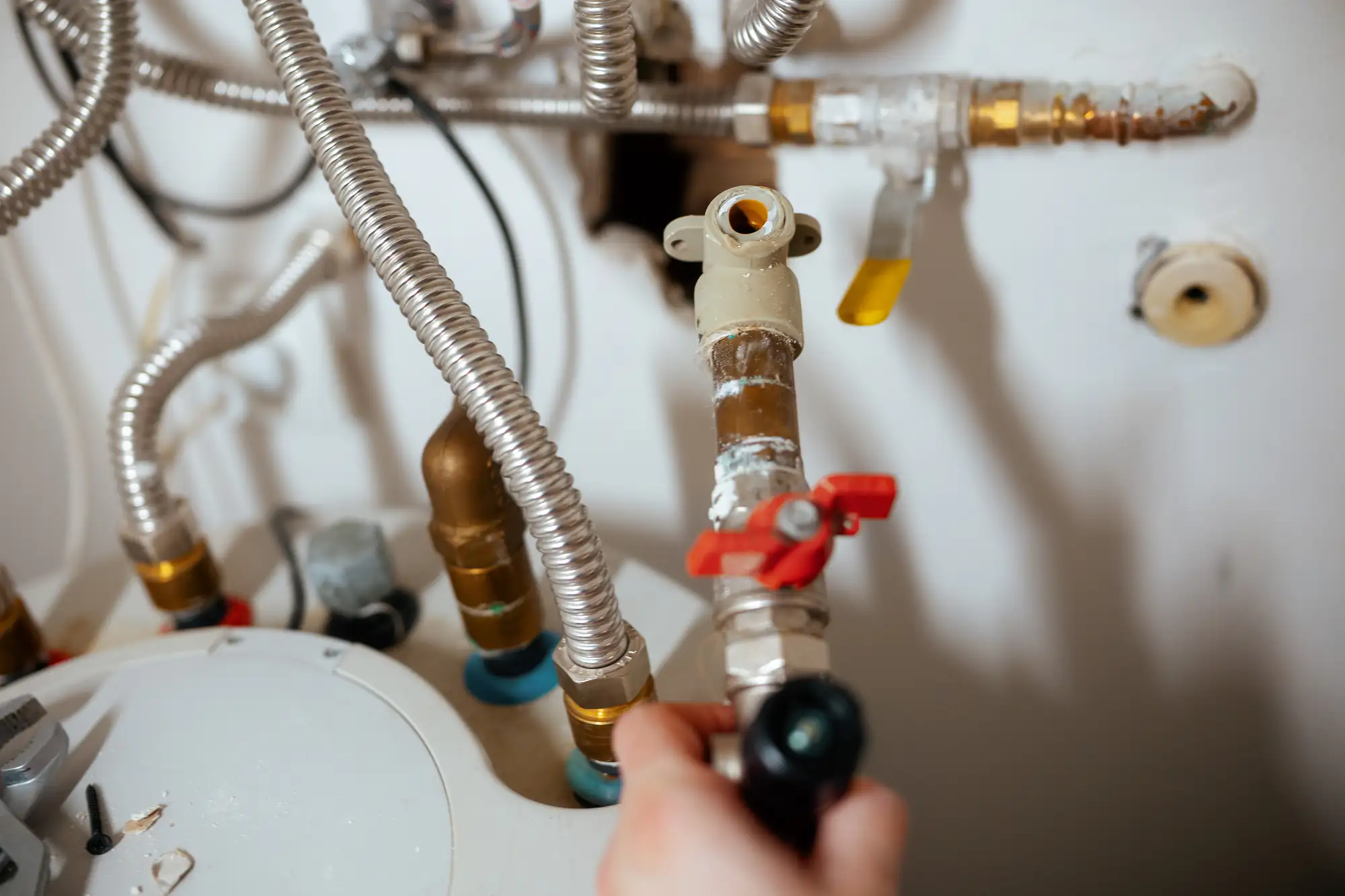
Furnace and Boiler Replacement Cedar Grove
When a heating system finally gives out, the relief of getting it replaced isn’t just about comfort it’s about not lying awake wondering if tonight’s the night it stops for good. A properly installed replacement system runs quietly, heats evenly, and doesn’t need you to babysit it every January. That’s what you’re actually buying: the ability to stop thinking about it.
For Cedar Grove homeowners specifically, that peace of mind carries extra weight. Roughly 60% of homes in this township were built between 1940 and 1969, which means a huge portion of the installed heating equipment in town is either original or on its second replacement cycle. If your home went up in the 1950s or early 1960s, the system running in your basement has likely earned its retirement and then some.
The elevation divide in Cedar Grove matters too. Homes up in the North End and around Park Ridge Estates sit at 600 feet or higher along the Watchung ridgeline, where temperatures run colder and wind exposure is real. A failing system in a hilltop colonial faces harder conditions than the same system would at valley grade near Pompton Avenue. Getting ahead of a replacement rather than reacting to a breakdown is the difference between a planned project and a January emergency.
HVAC Contractor Serving Cedar Grove, NJ
We’ve been doing this work since May 15, 1973. That’s not a number we throw around for effect it means we were actively serving Essex County when the split-levels and colonials on Stevens Avenue and Ridge Road were barely twenty years old. We know the equipment that went into those homes because we’ve been replacing it for decades.
We’re family-owned, HVAC-focused, and licensed under NJ HVAC License No. 19HC00022600. We don’t do plumbing. We don’t do oil heating repairs as a side hustle. Heating and cooling is the whole job, which means when you call us about a boiler or furnace replacement in Cedar Grove, you’re talking to people who do this every day not a generalist who fits you in between pipe jobs.
Our 5.0-star rating across more than 500 Google reviews and five consecutive years as a HomeAdvisor Screened & Approved contractor aren’t things we manufactured. They’re what happens when you show up on time, do the work right, and treat a $726,000 home like it deserves to be treated.

Heating Replacement Process Cedar Grove, NJ
It starts with a free estimate. We come out, look at what you have, assess the condition of your current system, and give you a straight answer about what makes sense. If your boiler or furnace is genuinely repairable, we’ll tell you. If it’s not or if the repair cost doesn’t justify the system’s remaining life we’ll tell you that too. No pressure, no manufactured urgency.
Once you decide to move forward, we handle the permit filing with Cedar Grove Township under Chapter 119 of the Construction Code. The permit fee for a residential boiler or furnace replacement is $85, and gas piping work runs $50 straightforward fees that we build into the process so you’re not chasing paperwork on your own. Every replacement we do is permitted, inspected, and fully above board, which matters when you go to sell a home worth what Cedar Grove homes are worth.
The installation itself is typically completed in a single visit. We remove the old equipment, install the new system, test it thoroughly, and walk you through what changed and what to expect. If your home is one of the many in Cedar Grove that’s still on oil heat and you’re on a street where PSE&G has been running new gas mains Anderson Road, Lopez Road, Fairview Avenue, Woodmere Road, and several others we can walk you through whether an oil-to-gas conversion makes sense at the same time. Financing is available through FTL Finance if you’d rather not absorb the full cost at once.

Ready to get started?
Boiler and Furnace Replacement Cedar Grove
Cedar Grove’s housing stock isn’t generic, and neither is the work we do here. The dominant system types in this township forced hot air furnaces and hot water boilers in mid-century colonials and split-levels are exactly the equipment we’ve been replacing for fifty years. We service all major brands including Weil-McLain and Utica, which are among the most common boilers found in homes built during Cedar Grove’s primary construction era. When we show up at a 1958 colonial off Harper Terrace or a split-level near North End Elementary, we’re not guessing at what’s in the basement.
For homes that are still running on oil, the timing has rarely been better to make the switch. PSE&G has been actively replacing and extending gas mains on multiple Cedar Grove streets, which means natural gas access that wasn’t previously available may now be at your curb. An oil-to-gas conversion handled as part of a full system replacement is cleaner, more efficient, and eliminates the ongoing cost and delivery logistics of heating oil which has been running in the $4–5 per gallon range. We specialize in this conversion specifically, not as an add-on but as a core part of what we do.
Every replacement comes with a workmanship guarantee, a free estimate before any commitment, and 24/7 availability if something comes up after the job is done. For Cedar Grove’s significant retiree population and for families with young kids, knowing there’s someone to call at any hour isn’t a luxury it’s the baseline expectation, and we meet it.

How do I know if my Cedar Grove home needs heating replacement or just a repair?
The honest answer depends on the age of the system and the nature of the problem. A heating system that’s 15 years old and needs a minor part is usually worth repairing. A system that’s 25 or 30 years old and is showing multiple issues inconsistent heat, frequent cycling, rising energy bills, or a cracked heat exchanger is generally past the point where repairs make financial sense. You’re essentially paying to extend the life of a system that’s already running on borrowed time.
In Cedar Grove specifically, this calculation comes up constantly because of the township’s housing stock. With a median construction year of 1958, a large number of homes here are on their second or even third heating system. If your home was built in the 1950s or 1960s and you’re not sure when the last replacement happened, there’s a real chance the current system is 20 to 40 years old. A free estimate from us will give you a clear read on the condition of what you have and whether repair or replacement is the smarter call without any pressure attached to the answer.
What's the difference between replacing a furnace and replacing a boiler, and which does my home have?
A furnace heats air and distributes it through ductwork you’ll notice supply and return vents in your floors, walls, or ceilings if that’s what you have. A boiler heats water and circulates it through radiators or baseboard units no ducts, just pipes and cast iron or fin-tube radiators throughout the rooms. Both are common in Cedar Grove’s mid-century housing stock, and the replacement process is different for each.
Boiler replacements tend to be more involved because they require working with the existing piping and radiation system, and the right sizing matters more than people realize. Furnace replacements are generally more straightforward but still require proper load calculations to avoid an oversized or undersized unit. Either way, the permit process through Cedar Grove Township is the same $85 for a residential boiler or furnace replacement under Chapter 119 of the Construction Code. When we come out for the free estimate, we’ll identify exactly what system type you have, what condition it’s in, and what replacement would look like for your specific home.
PSE&G has been doing work on my street does that mean I can convert from oil to gas now?
Possibly, and it’s worth finding out. PSE&G has been actively running gas main replacement and extension work on several Cedar Grove streets, including Anderson Road, Lopez Road, Grissing Place, Fairview Avenue between Route 23 and Chapel Hill Road, Woodmere Road, Upland Way, and Hillcrest Road. If your street is on that list or if you’ve noticed PSE&G infrastructure work nearby there’s a real chance a gas service connection is now available or newly upgraded at your property line.
An oil-to-gas conversion done at the same time as a full system replacement is the most cost-effective way to make the switch. You’re already paying for the labor and equipment involved in removing the old system, so adding the conversion work at the same time avoids a second mobilization cost down the road. The long-term savings on fuel costs are significant natural gas has consistently run cheaper per BTU than heating oil, and you eliminate the need to schedule deliveries and maintain a tank. We specialize in this conversion specifically, and we can walk you through whether it makes sense for your home during the free estimate visit.
Do I need a permit for heating replacement in Cedar Grove, NJ?
Yes, and any contractor who tells you otherwise is cutting a corner that will eventually cost you. Under New Jersey’s Uniform Construction Code, heating system replacements require a permit and Cedar Grove enforces this through its Chapter 119 Construction Code. The permit fees are straightforward: $85 for a residential boiler or furnace replacement, and $50 for residential gas piping work if that’s part of the job.
Why does this matter beyond just following the rules? Because an unpermitted installation won’t have a municipal inspection on record. When you go to sell a Cedar Grove home and with median home values around $726,000, that’s a transaction worth protecting unpermitted work can surface during the buyer’s inspection and become a negotiating problem or a deal-killer. We handle the permit filing as part of every job. You don’t need to go to the township building department, fill out forms, or schedule the inspection yourself. We take care of it, the work gets inspected, and you have a clean record on the installation.
How long does a heating replacement actually take from start to finish?
For most Cedar Grove homes, the physical installation is completed in a single day. We arrive, remove the old equipment, install the new system, test it fully, and clean up before we leave. The actual time on site depends on the system type a boiler replacement in a mid-century colonial with cast iron radiators takes longer than a furnace swap in a home with existing ductwork but a same-day completion is the standard, not the exception.
The permit process adds some administrative time on the front end, but that’s handled on our side. Cedar Grove Township’s permit fees are modest and the process is well-established, so there’s no unusual delay there. If you’re dealing with a heating failure in the middle of winter which happens frequently in this township given the age of the installed equipment same-day service is available. We’re reachable 24 hours a day, 7 days a week, and we understand that a failed system in a hilltop home off the Watchung ridgeline in January isn’t something that can wait for a convenient scheduling window.
Does Adriatic Aire offer financing for heating replacement in Cedar Grove?
Yes. Financing is available through FTL Finance, and it’s there for a straightforward reason: a full heating system replacement is a significant unplanned expense for most households, even comfortable ones. Cedar Grove has a high median household income, but that doesn’t mean every homeowner wants to write a large check out of savings or liquidate investments for an HVAC project that showed up without warning.
Financing lets you move forward with the right replacement the correct system for your home’s size, age, and fuel type rather than defaulting to the cheapest option just to manage the immediate cash outlay. That matters especially for Cedar Grove homeowners who may be weighing an oil-to-gas conversion alongside the replacement itself, since the combined project can be more involved than a straight swap. We’ll walk you through the financing options during the estimate so you have a complete picture of what the project costs and how you want to handle it before any work begins.
Other Services we provide in Cedar Grove