
Boiler Installation in Short Hills, NJ
Short Hills Homes Built to LastBut Not Forever
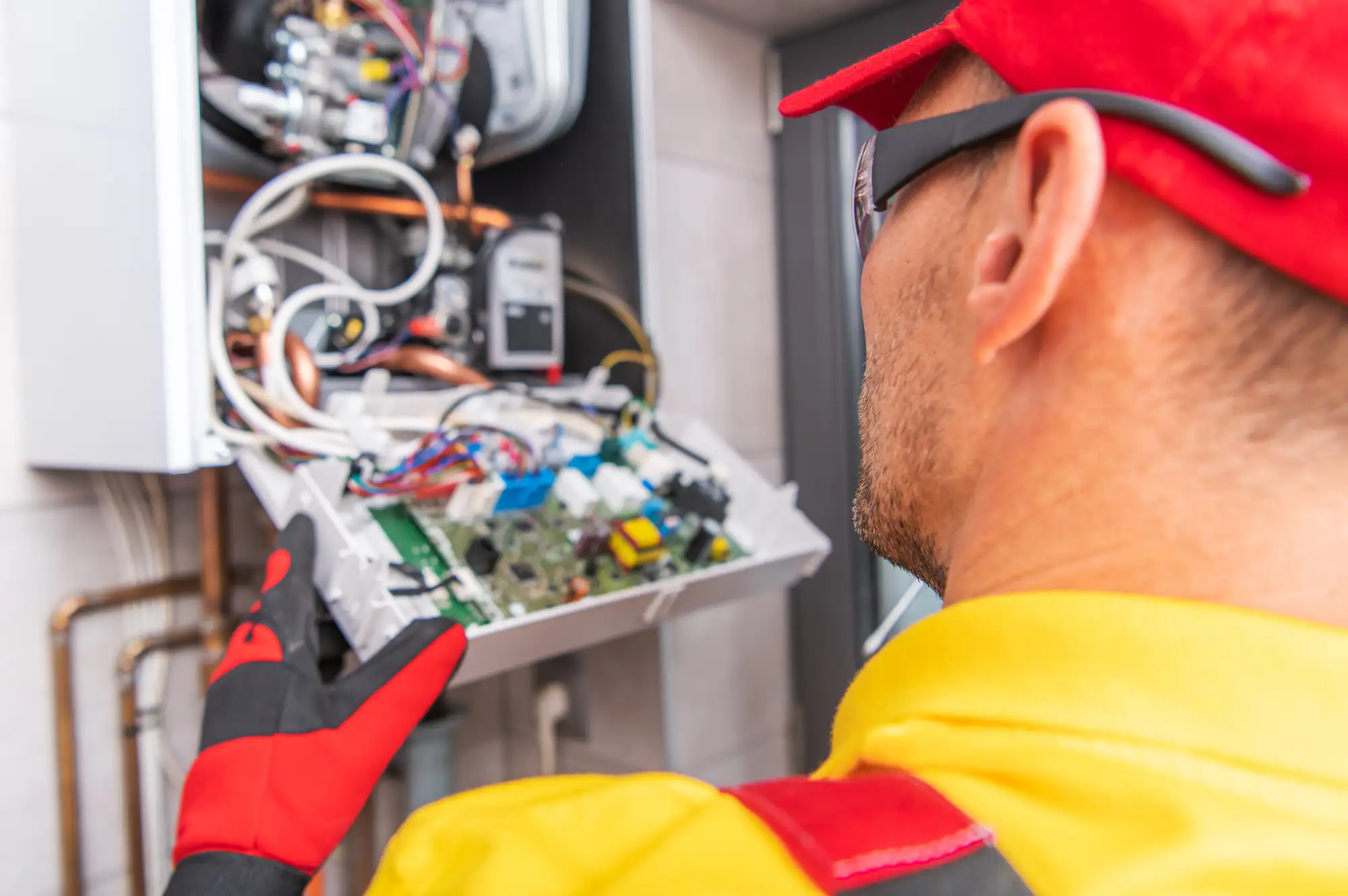
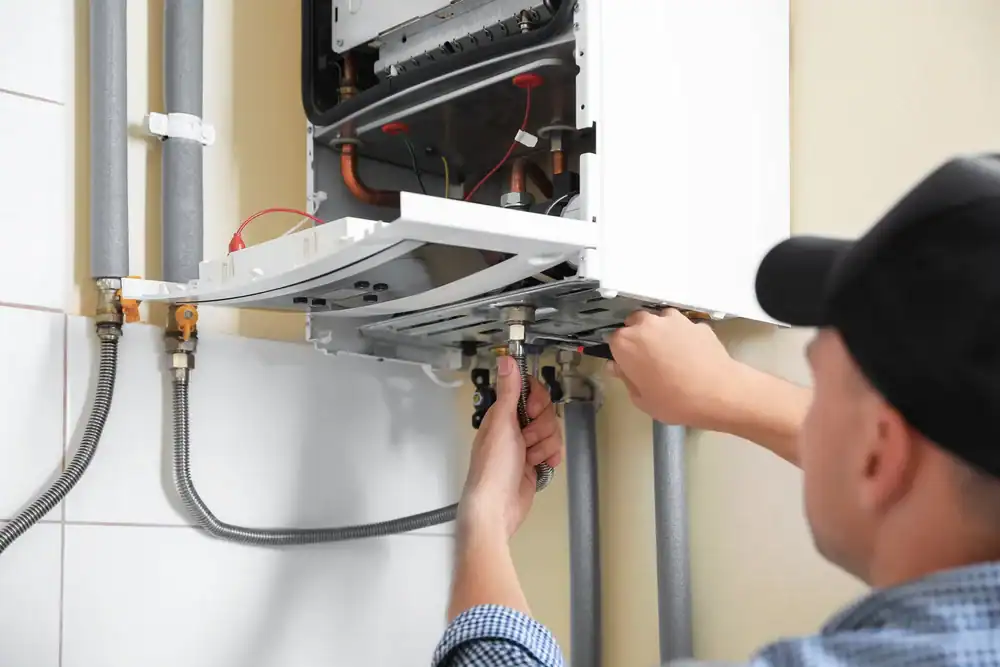
Residential Boiler Installation Short Hills NJ
Short Hills was designed to last. The curving streets, the mature trees, the pre-war colonials and Tudorsit’s a neighborhood built with intention. But a lot of those same homes are still running heating systems that were installed when Eisenhower was president. A boiler that’s 40 or 50 years old isn’t a maybe anymore. It’s a countdown.
The good news is that replacing it on your schedulenot the boiler’smeans you’re not making a major decision at 11pm in January with no heat and a house full of people. You choose the timing, you understand the options, and you know exactly what you’re getting before anyone touches anything.
There’s also a real financial case here. Older boilers in Short Hills homes often run at 70 to 80 percent efficiencymeaning a meaningful chunk of every dollar you spend on gas is going nowhere. Modern high-efficiency units reach 95 to 97 percent. In a home of the size and square footage common in this area, that difference shows up on your utility bills year after year. And depending on the unit you choose, PSE&G rebate programs may offset a significant portion of the upfront cost.
Licensed Boiler Contractor Short Hills NJ
We’re based in MontclairEssex County, about eight to ten miles from Short Hills. This isn’t a large regional chain dispatching crews from a distant service center. We’re an owner-operated business run by Ross Pucci, who is personally involved in the work and the customer relationships that come with it. When something matters, you’re talking to the person responsible.
We hold NJ Master HVACR Contractor License #13VH05686500, issued by the NJ Division of Consumer Affairs. That license is publicly verifiableand in Millburn Township, where the SDL construction permit portal lets anyone look up permit records for any address, that kind of transparency isn’t optional. We pull the required mechanical permits, meet NJ Uniform Construction Code requirements, and don’t cut corners that show up later during a home inspection or resale.
We’ve spent years working on the older Essex County housing stockthe steam systems, the cast iron radiators, the pre-war heating infrastructure that defines Short Hills and the surrounding communities. That experience is directly relevant here, and it’s not something every HVAC company can claim.
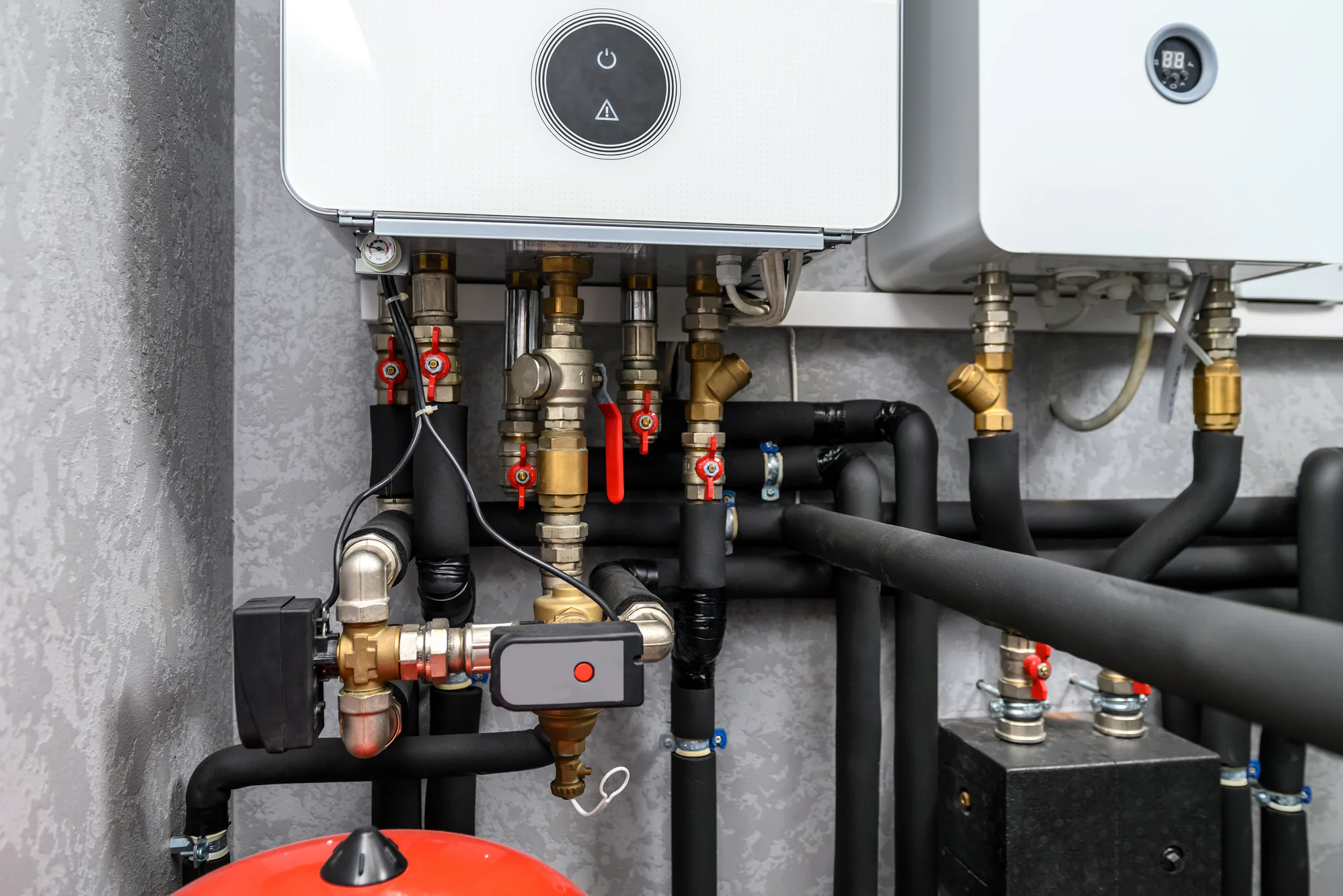
Boiler Replacement Process Short Hills NJ
It starts with a free estimate. Before any recommendation is made, we look at your home’s actual heating loadthe square footage, the layout, the existing distribution system, and how the current boiler has been performing. In a Short Hills home, that assessment matters more than it might elsewhere. Many of these properties are large, multi-zone, and in some cases still running steam systems that require a different level of expertise than a standard hot-water replacement. The sizing has to be right, or the problems follow you into the next decade.
From there, you get a clear picture of what makes senserepair or replace, which system type fits your home, and what the installation will actually involve. If repair is the better call financially, that’s what you’ll hear. If replacement is the right move, the recommendation will come with a reason you can follow, not just a number.
Once you decide to move forward, we pull the required mechanical permit through Millburn Township’s Construction Department before work begins. The installation is completed, and the system is fully tested before anyone leaves. Not “we think it’s working”a complete operational check so you can see it running correctly yourself. After that, the permit inspection closes the loop and puts the work on the official record, which matters when your home eventually sells.
Ready to get started?
Gas Boiler Installation Short Hills NJ
We handle residential boiler installation across the full range of system typesgas boilers, steam boilers, hot-water boilers, and high-efficiency condensing units. For Short Hills specifically, steam boiler replacement is a service that comes up regularly. The older homes in this communityparticularly those built before 1950were designed around steam heat, and replacing those systems requires familiarity with how they’re balanced, vented, and sized. It’s not the same job as a standard hot-water swap, and we treat it accordingly.
For homeowners considering a move to high-efficiency equipment, the options include condensing boilers that operate at 95 to 97 percent AFUE. These units can qualify for PSE&G rebate programs and may be eligible for federal energy tax credits, both of which are worth understanding before you commit to a unit. We can walk you through what’s available and what applies to your specific situation.
Oil-to-gas conversions are also handled for homes that were originally built with oil-fired systemsa scenario that comes up in some of Short Hills’ older properties. Every installation includes proper load sizing, permit filing with Millburn Township, equipment sourced from respected manufacturers, and a full operational test before the job is considered complete. The work is done once, done right, and documented.

Do I need a permit for boiler replacement in Short Hills or Millburn Township?
Yesand it’s worth understanding exactly what that means in Millburn Township. Boiler replacement is exempt from requiring a zoning permit under the Millburn Township zoning code, which means you don’t need zoning board approval for a straight swap. But that exemption doesn’t touch the mechanical construction permit requirement under the New Jersey Uniform Construction Code. A mechanical permit still needs to be filed with the Millburn Township Construction Department before the work begins, and a follow-up inspection closes out the permit once the installation is complete.
This matters beyond just legal compliance. Millburn Township offers a public-facing SDL Portal where anyonea future buyer, a real estate attorney, a home inspectorcan look up construction permit records for any address. Unpermitted boiler work in a Short Hills home is discoverable, and it can create real complications when you go to sell. We pull the required permits on every installation, which means the work is on the record and protected.
How do I know if my Short Hills home needs a new boiler or just a repair?
The honest answer is that it depends on the age of the system, the type of boiler, and how many times it’s been repaired recently. Most boilers last between 15 and 25 years depending on installation quality and how well they’ve been maintained. If your boiler is past that window and has needed two or more repairs in a single heating season, replacement almost always makes more financial sense within a two to three year timeframeeven if the next repair seems cheaper in the moment.
For Short Hills homeowners with steam boilers in older pre-war homes, this calculation can get more nuanced. Steam systems are more complex, and a boiler that’s been running a specific system for decades may have quirks that a replacement needs to account for. The right answer isn’t always obvious from the outside, which is why our approach starts with an honest assessmentnot a default recommendation to replace. If repair makes sense, that’s what you’ll hear.
What type of boiler works best in an older Short Hills home with radiators?
It depends on whether your current system uses steam or hot water. These are two fundamentally different types of distribution, and they’re not interchangeable. Steam boilers heat water until it turns to steam, which then travels through pipes to cast iron radiators throughout the home. Hot-water boilers circulate heated water through a closed loop. If your home has one-pipe or two-pipe steam radiatorscommon in the pre-war and mid-century homes throughout Short Hillsyou need a replacement boiler that’s compatible with that system, sized correctly for it, and installed by someone who understands how steam systems behave.
Swapping a steam boiler for a hot-water system is possible in some cases, but it’s a more involved conversion that affects the radiators, the piping, and potentially the distribution balance throughout the house. We can assess what you have, explain what your options are, and give you a clear picture of what each path involves before you make any decisions.
Can I get a rebate on a new high-efficiency boiler installation in New Jersey?
Potentially, yesand it’s worth looking into before you commit to a unit. PSE&G has offered rebate programs for qualifying high-efficiency boiler installations in New Jersey, with some programs advertising rebates in the range of thousands of dollars for eligible equipment. Federal energy tax credits have also applied to certain high-efficiency heating systems in recent years. The availability and specific amounts of these programs can change, so the right move is to ask about current eligibility during your estimate rather than assuming what’s on the table.
For Short Hills homeowners replacing an aging low-efficiency boiler with a modern condensing unitwhich can reach 95 to 97 percent AFUE compared to the 70 to 80 percent efficiency of older systemsthe combination of energy savings and available incentives can meaningfully change the financial picture. We can walk you through what’s currently available and what equipment qualifies, so you’re making a fully informed decision before anything is ordered.
How long does a boiler installation actually take from start to finish?
For a standard residential boiler replacement, the installation itself typically takes one day. That covers removal of the old unit, installation of the new boiler, connection to the existing distribution system, and a full operational test before the crew leaves. More complex jobsoil-to-gas conversions, steam system replacements in larger older homes, or installations that require significant piping workcan run into a second day depending on what’s involved.
What extends the overall timeline isn’t usually the installation day itselfit’s the permit process. In Millburn Township, the mechanical permit needs to be filed before work begins, and the follow-up inspection is scheduled after completion. We handle the permit filing, but homeowners should plan for the inspection to occur within a few days to a couple of weeks after the installation, depending on the township’s scheduling. The system is fully operational before that inspectionyou’re not waiting on heat while paperwork catches up.
How much does new boiler installation cost for a home in Short Hills, NJ?
Boiler installation in New Jersey typically ranges from around $3,500 on the lower end to $12,000 or more for complex installations, with most full replacements landing somewhere in the middle of that range. Where your project falls depends on several factors: the type of boiler being installed, whether you’re staying with the same fuel type or converting from oil to gas, the size and complexity of your home’s distribution system, and whether any additional work is neededlike venting upgrades or piping modifications.
For Short Hills specifically, a few things tend to push projects toward the middle-to-upper portion of that range. The homes here are often larger, with more square footage to heat and sometimes multi-zone systems that add complexity. Steam boiler replacements carry more labor than a straightforward hot-water swap. And if the home has an older oil-fired system that’s being converted to gas, that’s an additional scope of work with its own cost factors. We offer free estimates, so you’ll know what you’re looking at before any commitment is madeand the estimate comes with no pressure to move forward.
Other Services we provide in Short Hills