
Boiler Installation in Pleasantdale
Pleasantdale Homes Are Older. Your Boiler Might Be Too.
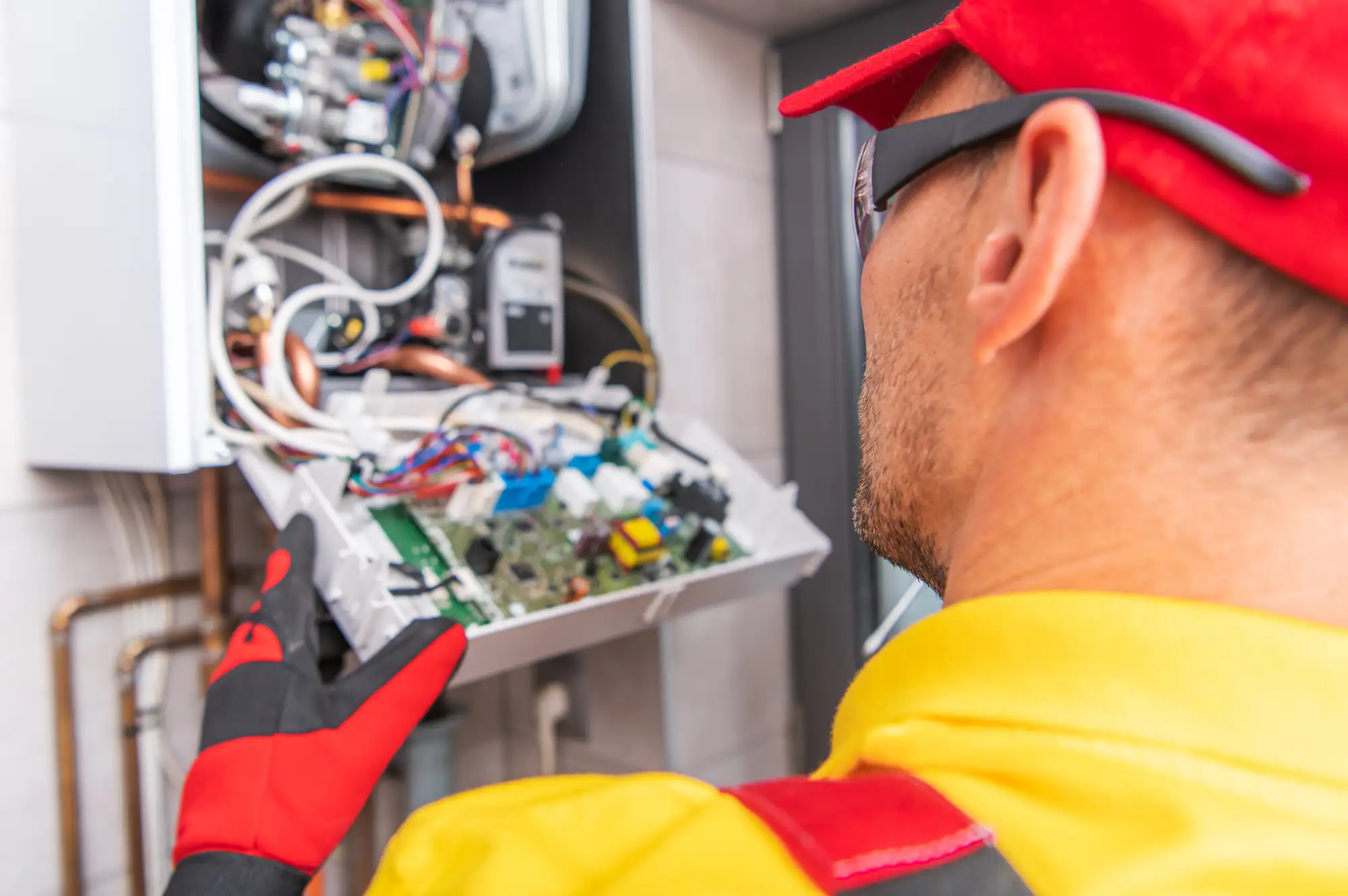
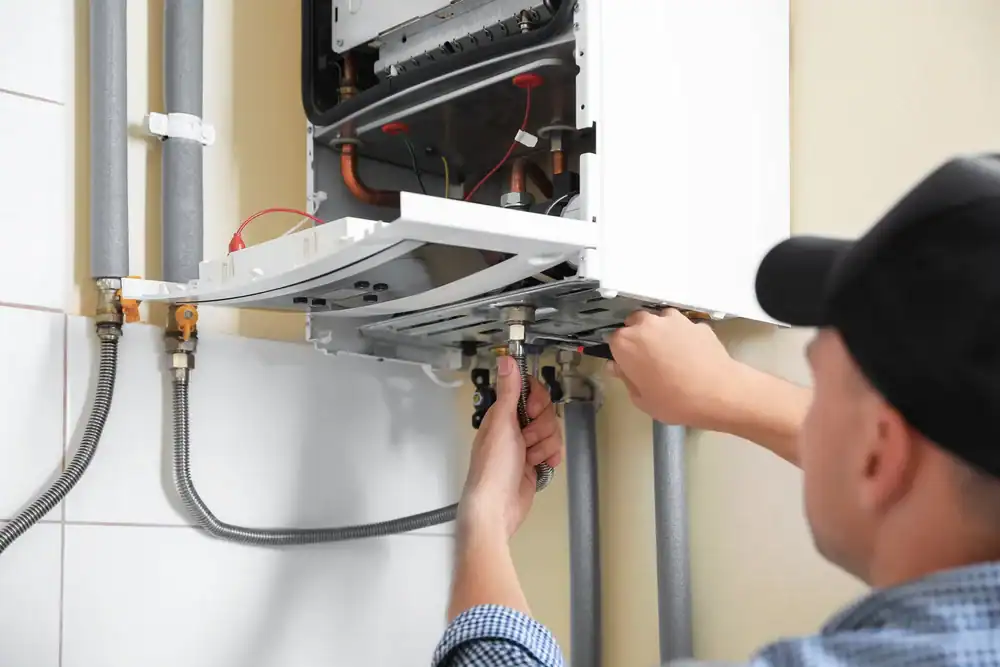
Residential Boiler Installation Pleasantdale NJ
When your boiler is running the way it should, you stop thinking about it. No strange noises at 2am. No cold rooms at the end of the hallway. No spike in your gas bill that you can’t explain.
For Pleasantdale specifically, that matters more than people realize. Sitting at roughly 422 feet on the Second Watchung Mountain ridge, this neighborhood runs colder and windier than most of Essex County. A boiler that’s limping along at 80% efficiency is working harder here than it would in a lower-elevation communityand you’re paying for every bit of that gap on your monthly PSE&G bill.
Most of the housing stock in Pleasantdale is 55 to 85 years old. That’s not a problem with the homesthey’re well-built and well-maintained. But boilers last 15 to 25 years. If your house was built in 1958 and the boiler was replaced around 1998, the math is already past you. A new high-efficiency installation doesn’t just solve a heating problem. It removes the anxiety of wondering when the old one finally gives out on a February night.
Licensed Boiler Installer Near Pleasantdale
Adriatic Aire LLC is headquartered at Watchung Plaza in Montclairjust a few miles from Pleasantdale via Eagle Rock Avenue. This part of Essex County is our backyard, and the mid-century homes on the Watchung ridge are exactly the kind of housing stock we’ve been working in for decades.
We’re licensed, bonded, and insured under NJ Master HVACR Contractor License #13VH05686500issued by the NJ Division of Consumer Affairs. That’s publicly verifiable if you want to look it up, and we’d expect you to. We carry that credential because boiler installation in New Jersey requires it, and because it protects you.
Ross Pucci leads every job. When you call, you’re dealing with someone who’s accountable by namenot a call center routing you to whoever’s available. Customers consistently describe the experience as honest and straightforward, and that reputation matters more to us than any marketing claim we could make.
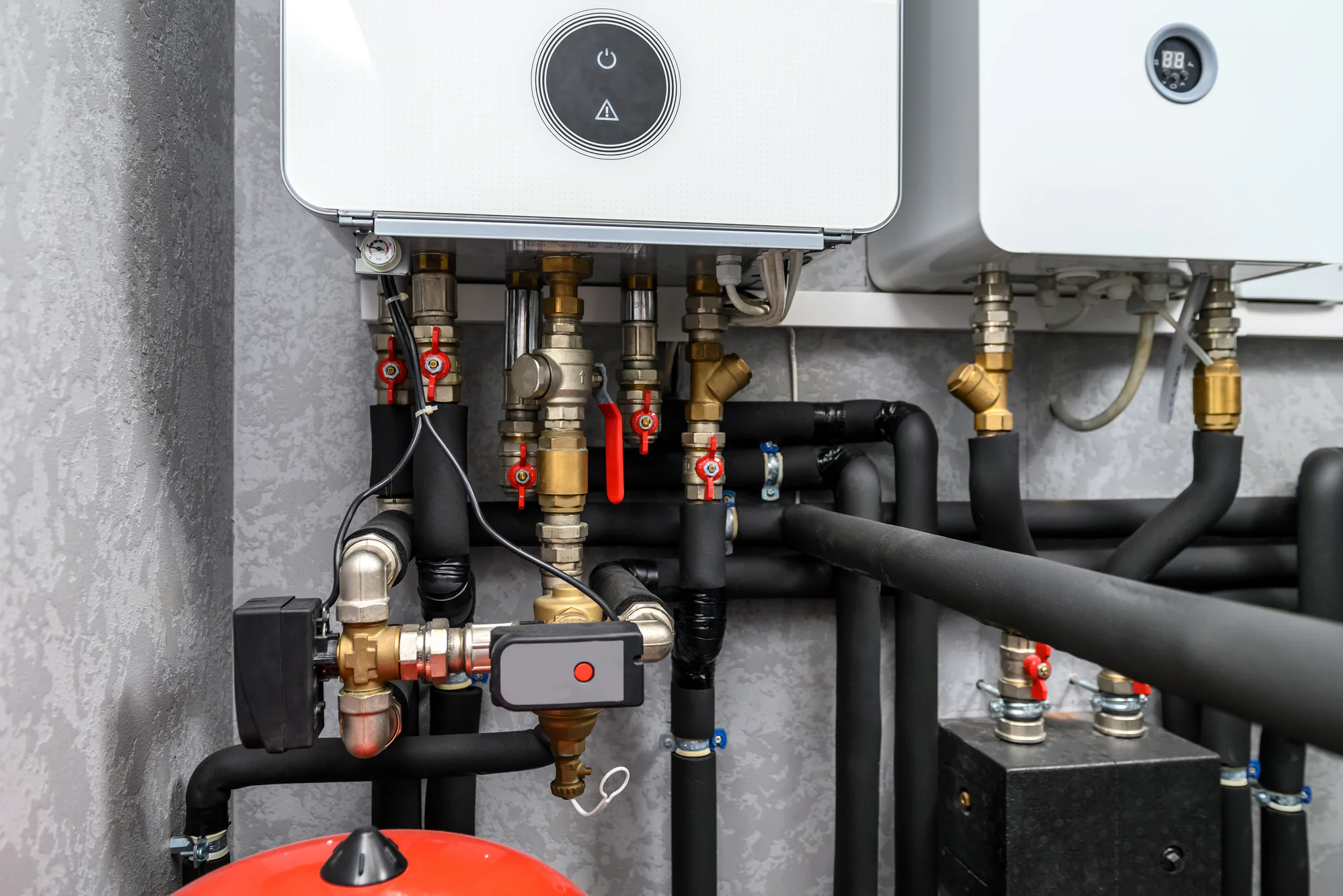
Boiler Replacement Process in Pleasantdale
It starts with a free estimate. We come out, look at your existing system, and do a proper load calculation based on your home’s actual square footage, layout, and insulation profile. This step matters more than most homeowners realize.
An oversized boiler short-cycles, wears out faster, and heats unevenly. An undersized one runs constantly and still can’t keep up on the coldest days. Getting the sizing right is the foundation of everything else.
Once we know what your Pleasantdale home actually needs, we walk you through your optionsboiler type, fuel source, efficiency ratingand give you a straight answer on whether repair makes more sense than replacement. If your system has a few good years left and a repair is the smarter financial move, we’ll tell you that. If replacement is the right call, we explain why and what to expect.
When the installation happens, we pull the required permit through West Orange Township’s Building Department. That’s not optional under New Jersey’s Uniform Construction Code, and it protects your warranty and your home’s resale value. West Orange also has specific chimney liner requirements that apply to many boiler replacementswe handle that assessment as part of the job. Before we leave, we run a full operational test so you’re not discovering problems after we’re gone.
Ready to get started?
Gas Boiler Installation West Orange NJ
Every boiler installation we do starts with a proper heat load calculationnot a rough estimate, an actual calculation based on your home. For Pleasantdale’s attached homes and rowhouses, which make up a notably high share of the neighborhood’s housing stock, that calculation has to account for shared walls and the way heat moves differently in an attached unit.
We work with gas boilers, oil boilers, and high-efficiency condensing units. If you’re on an older oil system and considering a conversion to gaswhich PSE&G serves throughout West Orangewe handle the full scope, including venting assessment and any chimney liner work required under West Orange Township’s UCC documents.
High-efficiency options can reach 95% to 97% AFUE, which is a meaningful upgrade from the 80% minimum that older systems were built to. At Pleasantdale’s elevation, with a longer and colder effective heating season than most of the county, that efficiency difference shows up clearly on your heating bills.
We source equipment from respected manufacturers, comply with all local building codes, and don’t hand anything off until it’s been fully tested and confirmed operational. If you’re eligible for PSE&G rebates on a qualifying high-efficiency installation, we’ll make sure you know about it before you make a decision.

Do I need a permit for boiler installation in Pleasantdale, NJ?
Yes, and it’s not something you want to skip. In New Jersey, boiler installation falls under the Uniform Construction Code, and a mechanical permit is required for every installation or replacement. In Pleasantdale, that permit goes through West Orange Township’s Building and Construction Code Enforcement office at Town Hall on Main Street.
Beyond the standard permit, West Orange Township has documented chimney liner requirements that apply to many boiler replacementsparticularly if you’re switching fuel types or upgrading to a high-efficiency condensing unit that vents differently than your old system. Skipping the permit doesn’t just put you at risk of a code violation. It can void your manufacturer’s warranty and create real problems when you go to sell your home. A buyer’s inspector will find it. We pull the permit on every job, handle the inspection process, and make sure everything is documented correctly before we’re done.
How do I know if I should repair or replace my boiler?
The honest answer depends on a few things: how old the system is, how many times it’s needed repairs in the last couple of years, and what those repairs are costing relative to what a new system would run.
The general rule is that once a boiler hits 15 years old and starts needing repeated attention, the math usually favors replacement within two to three years anyway. For Pleasantdale homeowners in homes built between 1940 and 1969, a lot of boilers are already well past that window. If yours was last replaced in the 1990s or early 2000s, it’s worth having someone take an honest look at itnot to sell you something, but to tell you where you actually stand. We’ve told plenty of customers to hold off and repair when that was the right call. We’ll tell you the same if it applies to your situation.
How long does a boiler installation typically take?
For a straightforward residential replacementsame fuel type, similar system, no major venting changesmost installations are completed in a single day. The crew arrives, removes the old unit, installs the new one, connects everything, and runs a full operational test before leaving. You have heat the same day.
Where it gets longer is when there are complicating factors: a fuel conversion from oil to gas, chimney liner work, or unusual venting configurations. Attached homes and rowhouseswhich are common in Pleasantdalesometimes require additional assessment around shared flues or venting paths before the install can proceed. We identify those factors during the estimate, so there are no surprises on installation day. If your job is going to take longer than a single day, you’ll know that before we schedule anything.
What's the difference between a steam boiler and a hot water boiler?
Both use a boiler to heat water, but they work differently and aren’t interchangeable. A steam boiler heats water until it turns to steam, which then travels through pipes to radiators throughout the home. A hot water boileralso called a hydronic systemcirculates heated water through the pipes instead of steam. Hot water systems are generally quieter, more efficient, and easier to zone than steam systems.
In Pleasantdale’s older housing stock, steam boilers are common. Homes built in the 1940s and 1950s were frequently designed around steam heat, and the radiators you see in those homes are built for it. If you have a steam system, your replacement options need to match that existing infrastructureyou can’t simply drop in a hot water boiler without significant additional work. We assess your existing system during the estimate and explain exactly what your options are based on what’s already in your home, not a generic recommendation.
Can I get a rebate on a new high-efficiency boiler in Pleasantdale?
Potentially, yes. PSE&G is the primary gas utility serving West Orange and Pleasantdale, and the PSE&G Decarbonization Program has offered significant rebates for qualifying high-efficiency installations in New Jersey. Whether you qualify depends on the specific equipment, your existing system, and the program’s current availability.
What we can tell you is that if there’s a rebate available for your installation, we’ll make sure you know about it before you make a decisionnot after. For Pleasantdale homeowners on older oil systems considering a conversion to high-efficiency gas, the combination of lower operating costs, improved efficiency at elevation, and available utility incentives can make the total cost picture look quite different than the upfront number suggests.
Why does boiler sizing matter so much for homes in Pleasantdale?
Sizing is one of the most commonly overlooked parts of a boiler installation, and it’s one of the most consequential. An oversized boiler fires up, heats the space quickly, and shuts offthen fires up again, and shuts off again. That short-cycling puts unnecessary wear on the system and creates uneven heat distribution throughout the home. An undersized boiler runs almost continuously on cold days and still can’t keep up.
For Pleasantdale specifically, two local factors make this more important than average. First, the neighborhood sits at roughly 422 feet on the Second Watchung Mountain ridge, which means colder baseline temperatures and more wind exposure than lower-elevation parts of Essex County. A boiler sized for a milder climate profile will underperform here. Second, a significant share of Pleasantdale’s homes are attached or semi-attached rowhouses, where shared walls change the heat load calculation compared to a freestanding house of the same square footage. We run a proper load calculation on every job before recommending anythingbecause getting that number right is what determines whether the system actually performs the way it should.