
Boiler Installation in Llewellyn Park
Historic Homes Demand More Than a Standard Install
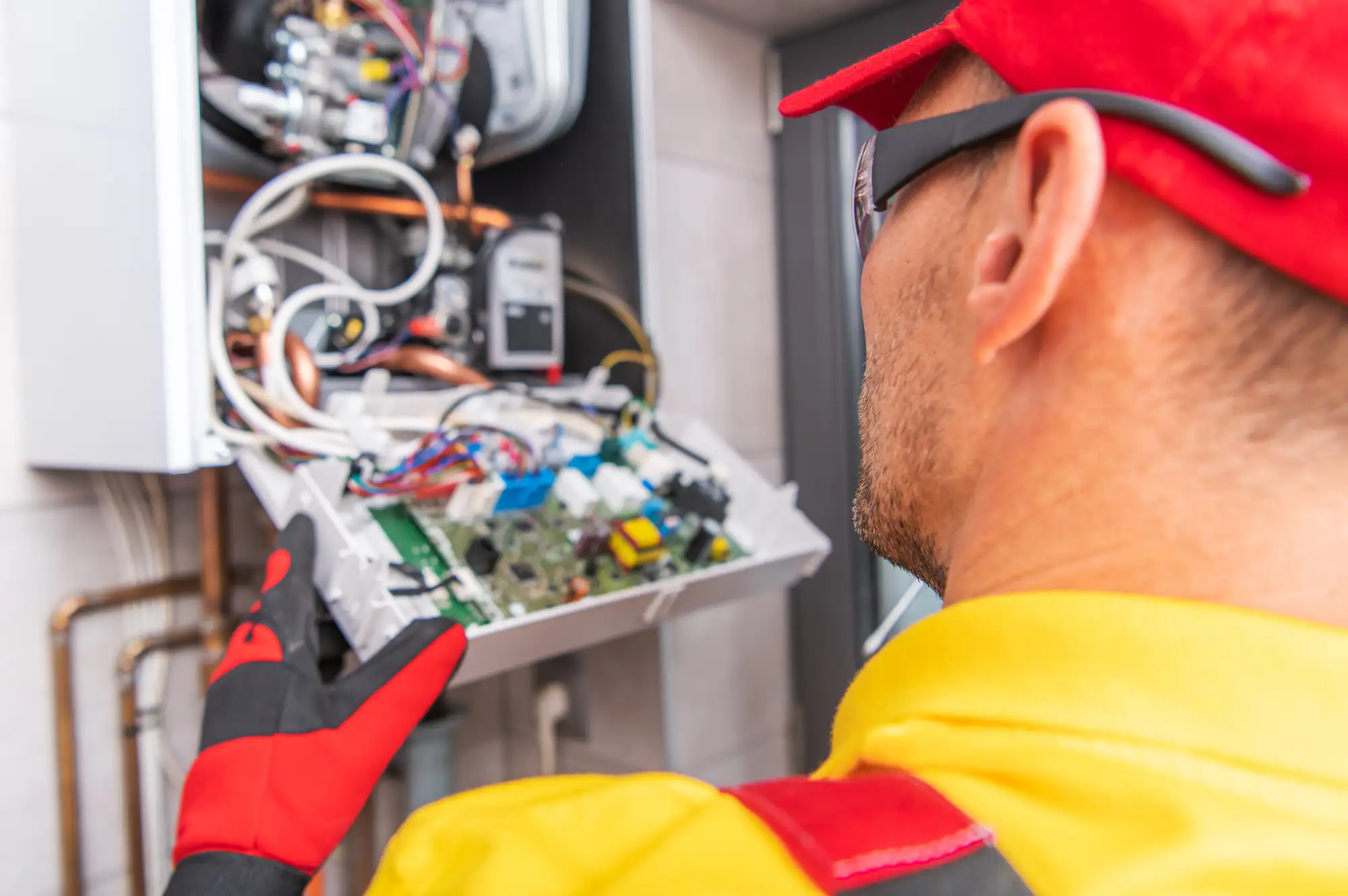
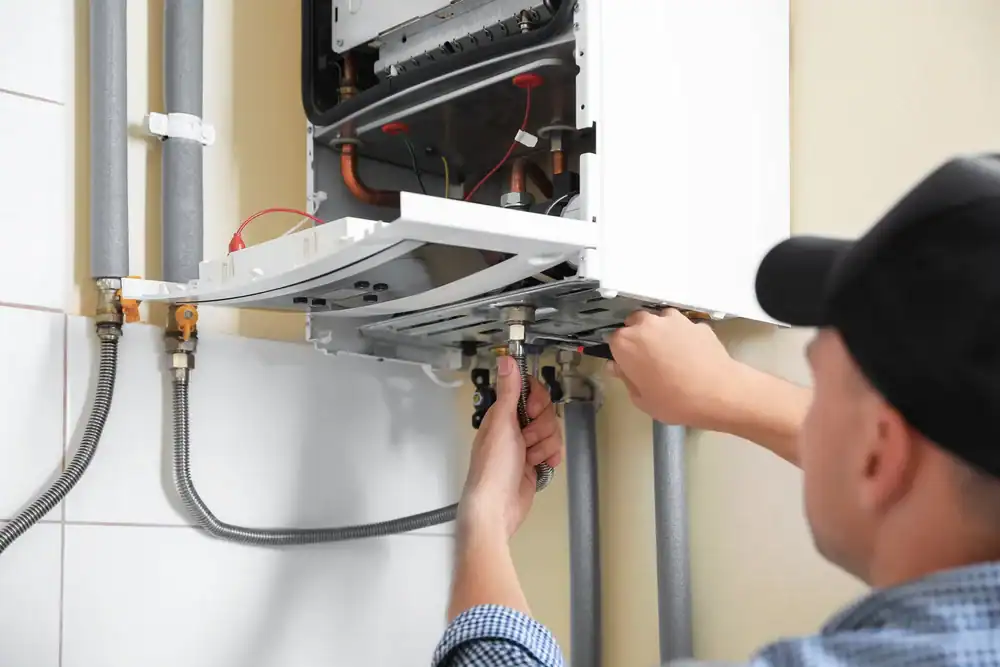
Residential Boiler Installation West Orange NJ
The homes inside Llewellyn Park’s gates are multi-story Victorian and Edwardian estates with original radiator systems, multiple heating zones, and boiler rooms that haven’t seen a new unit in decades. When a new boiler goes in correctlysized right, installed right, tested before we leaveevery room heats the way it should. No cold corners on the third floor. No short-cycling. No calling us back two weeks later because something isn’t balanced.
Llewellyn Park sits on the eastern slope of the Watchung Mountains, which means it runs colder than the communities down in the valley. The elevation extends your heating season both waysit starts earlier and ends later than it does in lower parts of Essex County. That extended season puts more hours on your boiler every year, and more hours means aging systems get pushed closer to the edge faster than you’d expect.
A properly sized, high-efficiency replacement doesn’t just fix the immediate problem. It gives you a system built to handle the actual load your home demands, not a rough estimate based on square footage alone.
When you’re replacing a boiler in a home that may be worth close to two million dollars or more, getting it wrong isn’t just inconvenient. A mismatched system, improper venting, or an installer who doesn’t understand the difference between a steam system and a hydronic system can create problems that outlast the install by years. The outcome you’re actually looking for is a boiler that heats your home reliably, passes inspection, and doesn’t become next winter’s emergency.
Licensed Boiler Installer Near Llewellyn Park
Adriatic Aire LLC is headquartered at 41 Watchung Plaza in Montclairabout five minutes from Llewellyn Park’s gatehouse. That proximity isn’t a talking point; it’s the reason we can actually show up same day when something goes wrong in January and you can’t afford to wait.
We hold NJ Master HVACR Contractor license #13VH05686500, issued by the NJ Division of Consumer Affairs. That’s the license required by state law to pull mechanical permits through West Orange Township and legally perform boiler installation in New Jersey. We pull the permit, we pass the inspection, and we do it every timebecause skipping that step creates problems for you at resale and can void your manufacturer’s warranty.
What you’ll notice when you call is that we don’t push. If your existing system can be repaired at a cost that makes sense, we’ll tell you that. Multiple customers have said it directly in their reviewswe recommended repair over replacement when it saved them money. In a community like Llewellyn Park, where the heating systems are complex and the homes are irreplaceable, that kind of honesty matters more than any sales pitch.
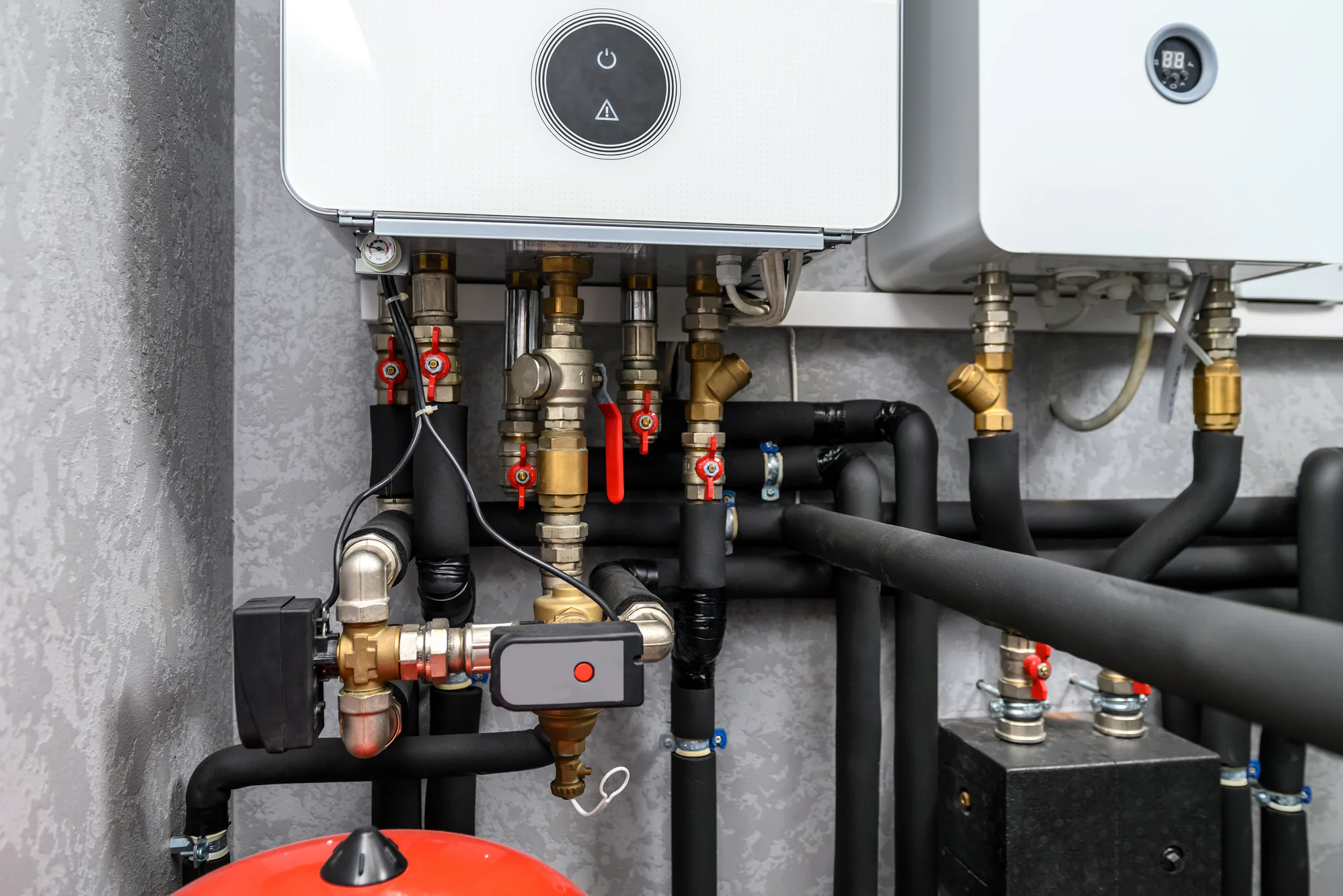
New Boiler Installation Process West Orange
It starts with a free estimateno pressure, no commitment, just an honest look at what you have and what you actually need. For homes in Llewellyn Park, that first assessment matters more than most people realize. We’re looking at your existing system type, your home’s square footage and layout, the condition of your current boiler room, and how your radiators or heating zones are configured.
A Victorian estate with three stories and cast-iron radiators throughout needs a fundamentally different approach than a newer construction in the surrounding township.
From there, we do a proper heat loss calculation and load sizing before recommending any equipment. This step is where a lot of installs go wronga boiler that’s oversized short-cycles and wears out fast; one that’s undersized simply can’t keep up on a hard freeze in February. Once the right unit is identified, we handle the mechanical permit through West Orange Township’s Construction Office. That permit is required under the New Jersey Uniform Construction Code, and we include it as a standard part of the process.
On installation day, we work through the full jobremoving the old unit, installing the new one, connecting it to your existing system, and verifying that every zone heats the way it should. Before we leave, we run a complete operational test. That means the system is confirmed working, balanced, and ready before you’re on your own with it.
If you have a property manager coordinating access through the gatehouse, we work with them directly. The process is straightforward, and we don’t leave loose ends.
Ready to get started?
Gas Boiler Installation Services Llewellyn Park NJ
Every boiler installation we perform includes the load sizing assessment, the equipment recommendation, the permit filing with West Orange Township, the physical installation, and the full operational test before handoff. We work with gas boilers, oil boilers, and high-efficiency condensing units, and we’ll walk you through which type makes sense for your specific systemincluding whether your existing setup is compatible with a high-efficiency upgrade or whether that conversion would require additional modifications first.
That last point is worth understanding if you live in one of Llewellyn Park’s older steam-heated homes. High-efficiency condensing boilers require different venting than traditional unitstypically PVC sidewall venting rather than a chimney flue. In a home that’s part of the Llewellyn Park Historic District on the National Register of Historic Places, where exterior modifications may be subject to preservation guidelines, that’s not a detail to gloss over.
We’ll tell you upfront what a condensing unit would require and whether it’s the right fit, rather than propose something that creates a compliance problem later.
For homeowners considering a high-efficiency replacement, it’s also worth asking about PSE&G’s Decarbonization Program, which has offered substantial rebates for qualifying installations in New Jersey. Given the size of the heating systems in many Llewellyn Park estates, the financial case for upgrading to a high-efficiency unit can be significantand we can help you understand what your system may qualify for.
All work is performed by licensed, bonded, and insured technicians, and we source equipment from respected manufacturers built to last.

Do I need a permit to replace a boiler in Llewellyn Park or West Orange?
Yesand this is one of the most important things to get right before any work begins. In West Orange Township, boiler installation requires a mechanical permit filed through the Township’s Construction Office under the New Jersey Uniform Construction Code. Once the work is complete, it must pass a mechanical inspection by the local construction official before the system is commissioned and considered legal.
This matters for a few reasons beyond just compliance. If you sell your home, unpermitted mechanical work can surface during the buyer’s inspection and create real problems at closing. It can also void your equipment manufacturer’s warranty. In a community like Llewellyn Park, where homes regularly transact at or above $1.9 million, that’s not a risk worth taking over a skipped permit.
We handle the permit filing as a standard part of every installationit’s not an add-on, and it’s not something we leave to the homeowner to figure out.
How do I know if my boiler needs to be replaced or just repaired?
The honest answer is that it depends on the age of the system, what’s failing, and how many times it’s needed attention recently. A boiler that’s 15 years old or younger with a single, straightforward repair needed is usually worth fixing. Once a system is past 20 or 25 years and has had two or more repairs in a single season, the math typically shiftsyou’re spending money to keep an aging system alive that will eventually fail anyway, often at the worst possible time.
For homes in Llewellyn Park specifically, the calculation is a little more nuanced. These are large, complex heating systems serving multi-story estates, and an aging boiler that’s working at reduced efficiency is costing you more on your gas or oil bill every month than you may realize.
When we come out for a free estimate, we give you an honest read on where your system standsnot a default recommendation to replace. Several of our customers have specifically noted in their reviews that we told them repair was the smarter move when it was.
What's the difference between a steam boiler and a hot water boiler, and which do I have?
Steam boilers and hot water (hydronic) boilers both heat your home using water, but they operate very differently. A steam boiler heats water until it turns to steam, which rises through pipes to your radiators and condenses back to water as it gives off heat. A hot water boiler circulates heated water directly through the pipes and radiators without converting it to steam.
The two systems use different pressures, different pipe configurations, and different radiator typesand they are not interchangeable without significant modifications.
In Llewellyn Park, where many of the homes date to the Victorian and Edwardian eras, steam systems are common. If your radiators have a single pipe going in and out, you likely have a steam system. If they have two pipes, it’s probably a hot water system.
This distinction matters enormously when you’re considering a boiler replacement, because not every new boiler is compatible with every existing system. A contractor who doesn’t identify your system type correctly before recommending equipment can leave you with a mismatch that causes real problems. We always assess the existing system before recommending anything.
Can a high-efficiency boiler be installed in a historic home in Llewellyn Park?
It can be, but it requires more planning than a standard installation, and there are legitimate constraints to understand before committing. High-efficiency condensing boilersthe units that achieve 95 to 97 percent AFUE ratingsrequire different venting than traditional boilers. Instead of venting through a chimney flue, they typically exhaust through PVC pipes that terminate through an exterior wall.
In a home that’s part of the Llewellyn Park Historic District, which is listed on the National Register of Historic Places, any exterior modification that affects the appearance of the building may be subject to historic preservation review.
That doesn’t mean a high-efficiency upgrade is off the tableit means the venting placement needs to be planned carefully, ideally in a location that isn’t visible from the street or that doesn’t conflict with the home’s historic character. We’ll walk you through what’s involved during the estimate visit so you understand the full picture before any decision is made. If a condensing unit isn’t the right fit for your specific home, we’ll tell you that directly and explain what alternatives make sense for your system.
How long does a boiler installation typically take from start to finish?
For most residential boiler installations, the physical work on installation day runs anywhere from four to eight hours depending on the complexity of the job. A straightforward like-for-like replacement in a home with an accessible boiler room and compatible existing piping is on the shorter end. A more involved joblike a system that requires new venting, modifications to existing piping, or a conversion from one fuel type or system type to anotherwill take longer.
For homes in Llewellyn Park, where the boiler rooms are often in older structures, the systems are larger, and the heating zones are more complex, it’s reasonable to plan for a full day. The permit process through West Orange Township adds time before installation begins, since the permit needs to be filed and approved before work starts.
We’ll give you a realistic timeline during the estimate so you can plan accordinglyincluding coordinating access through the gatehouse if you’re working with a property manager or household staff. After installation, the system goes through a full operational test before we consider the job complete.
Are there rebates available for a new boiler installation in West Orange or Llewellyn Park?
Yes, and for homeowners in Llewellyn Park specifically, the numbers can be meaningful. PSE&G’s Decarbonization Program has offered rebates for qualifying high-efficiency boiler installations in New Jersey. For a large estate with a substantial heating system, the rebate potential is proportionally larger than it would be for a smaller home, which makes the financial case for upgrading to a high-efficiency unit worth running the numbers on.
There are also federal tax credits available for certain high-efficiency heating equipment under the Inflation Reduction Act, which can be applied in addition to utility rebates. The specifics depend on the equipment you install and your tax situation, so it’s worth confirming with your accountant.
We can help you identify which systems qualify for available incentive programs and make sure the installation is documented correctly to support any rebate applications. If you’re replacing an older, lower-efficiency boiler in a large Llewellyn Park home, the combination of rebates, energy savings, and long-term reliability often makes the decision clearer than the upfront cost alone would suggest.
Other Services we provide in Llewellyn Park