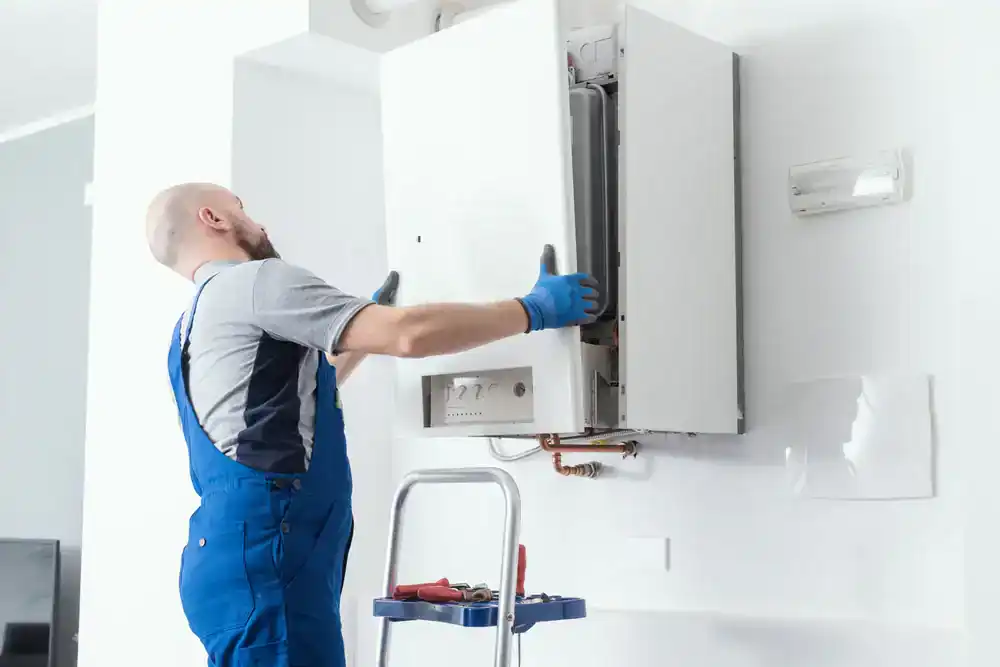
Essential Winter Maintenance: Reliable Boiler Repair and Furnace Repair in Bayonne, NJ
Share:
Your heat just died. It’s 28 degrees outside, the house is getting colder by the minute, and you’re trying to figure out if this is a quick fix or a major expense. Maybe you’re wondering if that technician who quoted you $2,800 is being straight with you, or if there’s a cheaper option that’ll actually last.
Here’s the reality: heating system failures spike every winter across Bayonne, Hoboken, and Essex County as furnaces and boilers get pushed to their limits. The difference between a $300 repair and a $4,000 replacement often comes down to timing, maintenance history, and whether you’re working with someone who’ll give you straight answers. This isn’t about selling you a new system when a repair will do—it’s about understanding what’s actually broken, what it takes to fix it right, and how to avoid another middle-of-the-night emergency next January.
How Boiler Repair Works in Bayonne and Essex County Homes
Boilers heat your home differently than furnaces. Instead of blowing warm air through ducts, they heat water or create steam that circulates through pipes and radiators. When something goes wrong, the issue could be mechanical, electrical, or related to water pressure and flow.
Most boiler problems show up as either no heat at all, uneven heating between rooms, strange noises like banging or hissing, or visible leaks around the unit. The repair process starts with diagnosing which component failed and whether it’s worth fixing given the age and condition of your system.
A qualified HVAC technician will inspect key parts like the circulator pump, pressure relief valve, expansion tank, heat exchanger, and ignition system. They’ll test water pressure, check for leaks, and measure how efficiently your boiler is actually operating. From there, you get a clear explanation of what’s broken and what it’ll cost to fix it—no guesswork, no vague estimates.
What Causes Boilers to Fail During New Jersey Winters
North Jersey winters are brutal on heating systems. When temperatures drop below freezing for days or weeks at a time, your boiler runs longer and cycles more frequently than it was designed to handle. That constant demand wears down components faster, especially in systems that haven’t been maintained regularly.
Low water pressure is one of the most common culprits behind boiler failures. If the pressure gauge reads below 12 PSI, your boiler won’t fire up. Sometimes it’s as simple as adding water to the system, but persistent low pressure usually means there’s a leak somewhere that needs to be found and sealed before you’re back to square one.
Frozen condensate pipes are another frequent problem in high-efficiency boilers during extreme cold. The pipe that drains condensation from the boiler can freeze solid when temperatures stay consistently low, causing the system to shut down as a safety measure. Thawing the pipe and insulating it properly prevents repeat failures, but it’s a problem most homeowners don’t even know exists until they’re sitting in a 55-degree house.
Sediment buildup from hard water is a slower but equally damaging issue. Over time, minerals accumulate inside the boiler tank and on the heat exchanger, reducing efficiency and causing the system to overheat. Flushing the boiler removes this buildup, but if it’s been years since the last flush, the damage might already be done.
Ignition problems prevent the boiler from firing at all. The ignitor might be worn out, the gas valve could be faulty, or there might be an issue with the pilot light or electronic ignition system. These are usually straightforward repairs if caught early, but ignoring them can lead to more expensive secondary damage down the line.
Circulator pump failure means the heated water isn’t moving through your system even if the boiler itself is working. You’ll notice some radiators stay cold while others get hot, or the boiler runs constantly without actually heating your home. Replacing a circulator pump is a common repair that restores proper heat distribution—and it’s one of those fixes that makes an immediate, noticeable difference.
Boiler Repair Cost in New Jersey: What to Expect
Boiler repair costs in New Jersey typically range from $200 to $600 for common issues, with an average around $400 for a standard residential job. Emergency service during nights, weekends, or holidays usually adds $200 to $300 to that base price. When it’s 15 degrees outside and you have no heat, waiting until Monday morning isn’t really an option.
Simple fixes like adjusting water pressure, replacing a thermostat, or resetting a tripped safety switch fall on the lower end. Mid-range repairs include replacing igniters, zone valves, circulator pumps, or pressure relief valves. These parts aren’t terribly expensive, but labor adds up when a technician needs to drain the system, swap the component, refill, bleed air from the lines, and test everything.
Major repairs get expensive fast. Replacing a heat exchanger can run $2,000 to $3,000 in parts and labor. At that point, you’re often better off putting the money toward a new Weil-McLain or Utica boiler instead of sinking thousands into a system that’s already near the end of its useful life.
Most reputable HVAC contractors charge a diagnostic fee of $89 to $160 just to come out and figure out what’s wrong. Some waive that fee if you proceed with the repair on the same visit. Others include it as part of a flat-rate repair price. Make sure you understand the pricing structure before someone shows up at your door.
Labor rates in the Bayonne and Essex County area typically run $85 to $125 per hour, though many contractors use flat-rate pricing instead. Flat rates mean you pay a set price for the specific repair regardless of how long it takes, which protects you from inflated labor hours but also means you might pay more for a quick fix.
Annual boiler maintenance runs about $150 and catches small problems before they become expensive emergencies. Many companies offer service agreements that include priority scheduling, discounts on repairs, and regular maintenance visits for a flat annual fee. It’s one of those things that feels like an unnecessary expense until you’re the one whose boiler didn’t fail at 2 AM because someone caught the issue six months earlier.
The real question isn’t just what a repair costs today, but whether it’s the last repair you’ll need or the first of many. A 20-year-old boiler with a failing heat exchanger is telling you it’s done. A 7-year-old system with a bad circulator pump probably has plenty of life left after a simple repair.
Furnace Repair Services for Bayonne, Hoboken, and Essex County
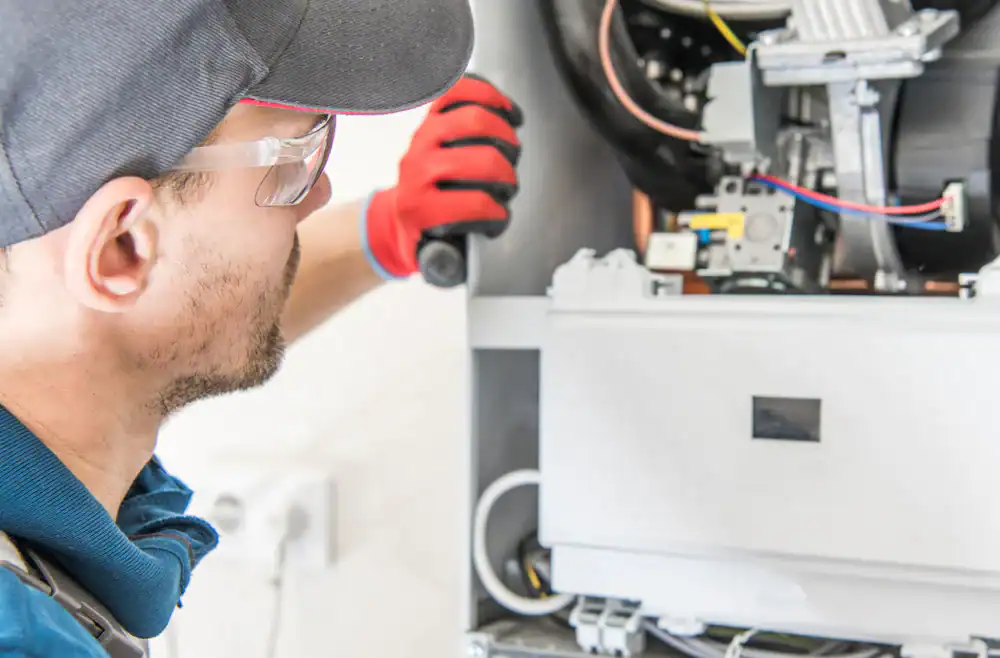
Furnaces work differently than boilers, burning fuel to heat air that gets blown through ductwork to warm your home. They’re common in newer construction and homes that were built or renovated with central air conditioning. When a furnace fails, the problem is usually with the blower motor, heat exchanger, ignition system, or airflow.
The most obvious sign of furnace trouble is no heat coming from your vents even though the system is running. You might also notice weak airflow, rooms that never seem to warm up, the furnace cycling on and off constantly, or strange smells like burning dust or something metallic.
Furnace repairs follow a similar diagnostic process to boilers. We check the thermostat settings, inspect the air filter, test the ignition system, examine the blower motor and belt, look at the heat exchanger for cracks, and measure airflow and temperature rise. From there, we can pinpoint what’s broken and what it’ll actually take to fix it properly.
Why Furnaces Break Down in New Jersey Winter
Dirty air filters cause more furnace problems than most homeowners realize. When the filter gets clogged with dust and debris, airflow drops, the furnace overheats, and the safety limit switch shuts everything down to prevent damage. Changing your filter every 1 to 2 months during heating season is the easiest way to avoid this entirely. It’s a $15 fix that prevents a $400 service call.
Ignition failures prevent the furnace from lighting at all. Older furnaces use standing pilot lights that can blow out or get clogged. Newer systems use electronic ignition, which can fail if the ignitor wears out or if there’s an issue with the gas valve or flame sensor. Replacing an ignitor on a Lennox or Trane furnace typically costs $165 to $475 depending on the model.
Blower motor problems show up as weak airflow or no airflow even when the furnace is heating. The motor might be failing, the capacitor could be bad, or the blower belt might be loose or broken. You’ll hear unusual noises like squealing, grinding, or rattling when the blower motor is on its way out—sounds that get louder and more frequent until the whole thing stops working.
Cracked heat exchangers are serious safety issues that can’t be ignored. The heat exchanger is the metal chamber where combustion happens, and cracks allow carbon monoxide to leak into your home’s air supply. If we find a cracked heat exchanger, we’ll shut down your furnace immediately and recommend replacement. Heat exchangers can’t be safely repaired, and replacing one costs nearly as much as a new furnace.
Thermostat malfunctions cause furnaces to run constantly, not turn on at all, or cycle erratically. Sometimes it’s as simple as dead batteries or incorrect settings. Other times the thermostat itself needs to be replaced or recalibrated. Smart thermostats add another layer of complexity if they lose Wi-Fi connection or need firmware updates—which always seems to happen at the worst possible time.
Short cycling—when the furnace turns on and off every few minutes—usually points to airflow restrictions, an oversized furnace, or a failing limit switch. It’s inefficient, wears out components faster, and leaves your home unevenly heated. Diagnosing short cycling requires measuring static pressure in the ductwork and checking multiple system components, which is why it’s not a DIY project.
Frozen condensate lines affect high-efficiency furnaces the same way they affect boilers. When the drain line freezes, condensation backs up and triggers a safety shutoff. Thawing the line and adding insulation or heat tape prevents it from happening again during the next cold snap, but you need to catch it before water damage becomes the bigger problem.
When Furnace Replacement Makes More Sense Than Repair
Age is the biggest factor in the repair-versus-replace decision. Most furnaces last 15 to 20 years with proper maintenance. If your system is over 15 years old and needs a major repair, replacement usually makes more financial sense. You’re not just avoiding one expensive fix—you’re preventing the next three or four that are right around the corner.
The 50% rule is a good guideline. If the repair cost exceeds half the price of a new furnace, replacement is typically the smarter move. Spending $1,800 to fix a 17-year-old furnace doesn’t make sense when a new high-efficiency Lennox or Trane system costs $3,500 and will run for another 15 to 20 years with significantly lower energy bills.
Frequency of repairs matters too. If you’re calling for furnace service every year or even multiple times per season, those costs add up fast. A furnace that needs constant attention is telling you it’s done. Putting that repair money toward a new system stops the bleeding and gives you reliable heat without the stress of wondering when it’ll break next.
Energy efficiency improvements can offset replacement costs over time. Older furnaces operate at 60% to 80% efficiency, meaning 20% to 40% of the fuel you’re paying for goes up the chimney as waste heat. New high-efficiency furnaces run at 90% to 98% efficiency, which can cut your heating bills by 20% to 40% depending on your current system and how much you heat your home.
Safety concerns should never be ignored. If we find a cracked heat exchanger, failed flue venting, or any condition that could allow carbon monoxide into your home, replacement isn’t optional. No amount of money saved is worth risking your family’s safety, and any reputable HVAC contractor will tell you the same thing.
Comfort issues that can’t be resolved through repairs also point toward replacement. If your furnace can’t keep certain rooms warm, runs constantly but never reaches the set temperature, or creates massive temperature swings, the system might be undersized, oversized, or simply worn out beyond effective repair. A properly sized new furnace solves these problems permanently.
Rebates and financing can make replacement more affordable than you’d expect. New Jersey offers energy efficiency rebates through the NJ Clean Energy Program, and many HVAC contractors provide financing options that spread the cost over time. Sometimes a new furnace costs less per month than continuing to repair an old one—especially when you factor in lower energy bills.
Getting Honest Boiler and Furnace Repair in Bayonne, NJ
Heating system failures are stressful enough without dealing with contractors who upsell, inflate prices, or patch problems without actually fixing them. What you need is someone who’ll diagnose the real issue, explain your options honestly, and do the work right so you’re not calling again in two weeks.
The key is working with technicians who have the experience to troubleshoot complex systems, the training to handle modern high-efficiency equipment, and the integrity to tell you when a repair makes sense and when it doesn’t. You want clear pricing before work starts, quality parts that last, and a guarantee that backs up the workmanship.
If you’re dealing with a boiler or furnace problem in Bayonne, Hoboken, Jersey City, or anywhere in Essex County, we’ve been solving these exact issues since 1973. No pressure, no surprises, just honest service that keeps your home warm when you need it most.
Article details:
- Published by:
- Adriatic Aire LLC
- Published to:
- Last modified:
- May 13, 2026
Share:
Continue learning: