A Guide to Commercial HVAC Installation Services
Share:
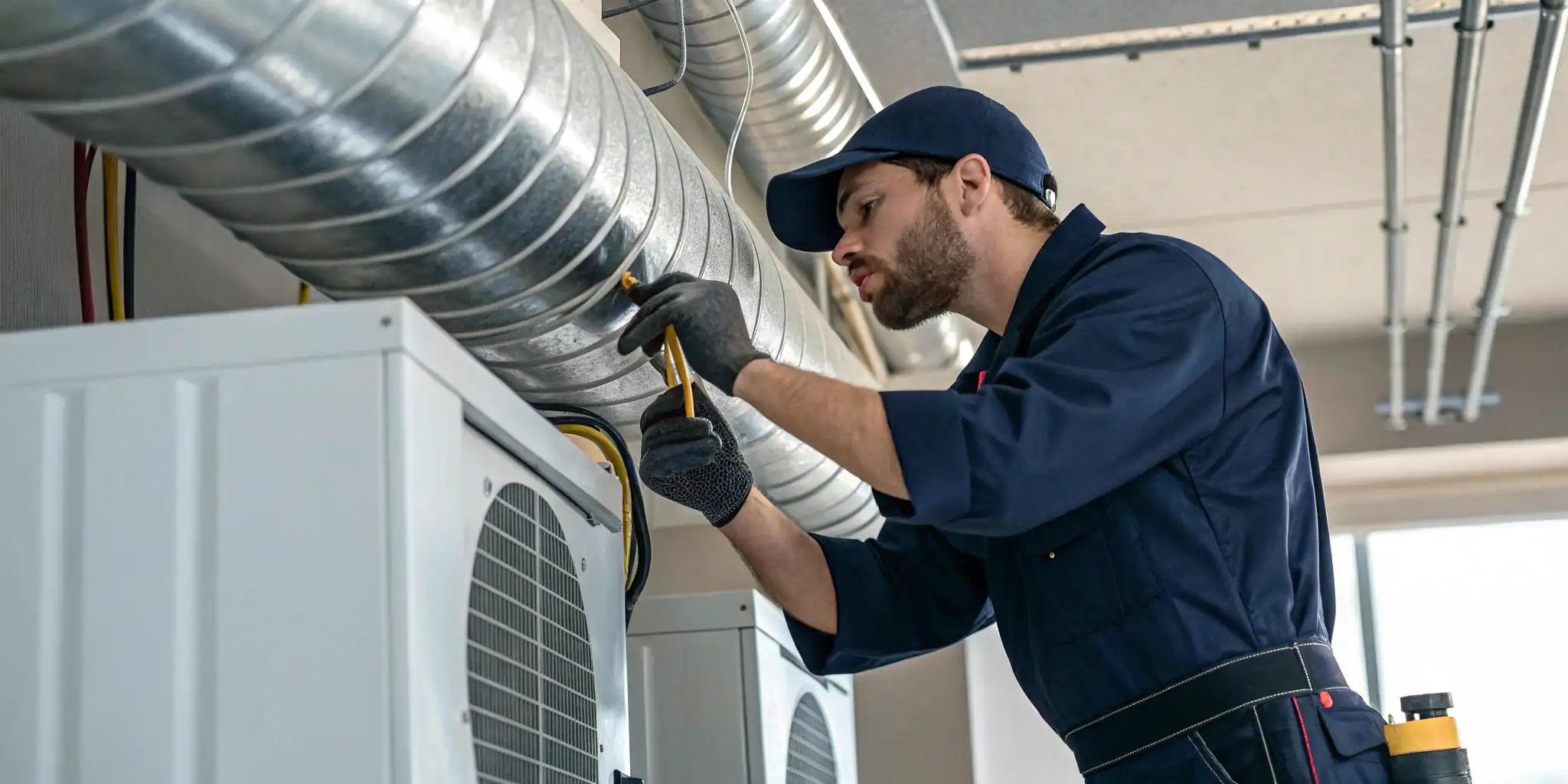
Your commercial HVAC system is one of the hardest-working, yet most invisible, parts of your business. When it’s running smoothly, no one gives it a second thought. But the moment it fails, it becomes an urgent problem that can disrupt operations, frustrate employees, and turn away customers. The key to long-term reliability and peace of mind starts with a flawless installation. This isn’t a place to cut corners. A professional setup ensures your system operates at peak efficiency from day one, protecting your warranty and preventing future headaches. This article will explain what to look for in high-quality commercial hvac installation services and how the right choice sets the foundation for a comfortable and productive business environment.
Key Takeaways
- Invest in a tailored HVAC solution: The best commercial HVAC system is one designed specifically for your building’s unique size, layout, and operational needs. Partnering with a professional to choose the right equipment, like a rooftop unit or VRF system, is the foundation for long-term comfort and efficiency.
- Vet your installation partner thoroughly: The quality of your installation is just as critical as the equipment itself. Always choose a licensed, insured, and experienced commercial installer to protect your warranty, ensure safety compliance, and guarantee reliable performance for years to come.
- Commit to proactive maintenance for long-term value: An HVAC system’s performance depends on consistent care. Implementing a regular maintenance plan from day one will lower your energy bills, extend the life of your equipment, and prevent disruptive and costly breakdowns.
What is a Commercial HVAC Installation?
A commercial HVAC installation is much more than just putting a new unit on your roof. It’s a comprehensive process designed to create a comfortable and healthy environment for your employees and customers. Unlike residential systems, commercial units have to handle larger spaces, more complex layouts, and varying occupancy levels throughout the day. A proper installation involves careful planning, selecting the right equipment for your specific needs, and precise execution by a skilled team. Getting it right from the start ensures your system runs efficiently, saves you money on energy bills, and provides reliable comfort for years to come.
Exploring Different Commercial HVAC Systems
When it comes to commercial buildings, there isn’t a one-size-fits-all solution. Packaged rooftop units are a common and popular choice because they house all the components in one cabinet, making them easier to service without disrupting your business. Another great option is a Variable Refrigerant Flow (VRF) system. These are incredibly efficient because they use a single outdoor unit to power multiple indoor units, giving you precise temperature control in different zones. This is perfect for buildings with a mix of offices, conference rooms, and open spaces. The right HVAC system for your business will depend on your building’s size, layout, and specific operational needs.
What a Professional Installation Includes
A professional installation is a detailed, transparent process. It should always start with a clear, itemized estimate so you know exactly what you’re paying for—no surprises. A reputable team will assess your needs, perform the right calculations to determine system size, and help you select the best equipment. When you work with an experienced commercial installer, you can trust they have the proper training and certifications to handle the job safely and correctly. This ensures your equipment is installed according to manufacturer specifications, protecting your warranty and setting you up for long-term success. After installation, ongoing support through a maintenance plan keeps everything running smoothly.
Comparing Your Commercial HVAC Options
Choosing the right commercial HVAC system can feel like a huge decision, because it is. The system you select will impact everything from your team’s comfort and productivity to your monthly energy bills. The best choice depends entirely on your building’s size, layout, and how you use the space. There isn’t a one-size-fits-all answer, but understanding the main types of systems is the perfect starting point.
Let’s walk through the most common options you’ll encounter. We’ll look at packaged rooftop units, VRF systems, and split systems to give you a clear picture of what each one does best. We’ll also touch on the key terms you need to know—like efficiency ratings and capacity—so you can feel confident when discussing your needs with a professional. Getting familiar with these fundamentals will help you partner with your HVAC technician to find a solution that keeps your space comfortable and your operating costs in check for years to come.
Packaged Rooftop Units (RTUs)
You’ve probably seen these large, boxy units on the roofs of commercial buildings, and for good reason. Packaged rooftop units, or RTUs, are a go-to choice for many businesses because they house all the necessary heating and cooling components in a single cabinet. This all-in-one design makes them incredibly efficient for conditioning large, open-plan spaces like retail stores, warehouses, and single-story offices. By placing the unit on the roof, you also free up valuable indoor and ground-level space. Their streamlined design simplifies both installation and maintenance, making them a practical and popular commercial HVAC solution.
Variable Refrigerant Flow (VRF) Systems
If your building has multiple rooms or zones with different heating and cooling needs—like a medical office or a multi-room workspace—a Variable Refrigerant Flow (VRF) system is an excellent option. These highly efficient systems use a single outdoor condenser to power multiple indoor units, which can all be controlled independently. This means you can have the heat on in one office while another is being cooled. VRF systems are known for their quiet operation and precise temperature control, which leads to significant energy savings since the system only delivers the exact amount of refrigerant needed at any given moment.
Split Systems and Chillers
Split systems are another flexible option, especially for smaller commercial spaces. As the name suggests, they are “split” into two main parts: an outdoor unit (with the compressor and condenser) and one or more indoor units that deliver the conditioned air. This setup offers versatility in where you can place the indoor components. For much larger facilities, like hospitals or high-rises, you’ll often find chillers. A chiller is a component of a larger system that creates chilled water, which is then piped throughout the building to air-handling units that cool the air. These types of HVAC systems are built for heavy-duty cooling demands.
Understanding Efficiency and Capacity
When comparing systems, you’ll hear terms like SEER, EER, and BTUs. Think of them as the system’s vital stats. Efficiency ratings like SEER (Seasonal Energy Efficiency Ratio) tell you how efficiently the unit uses energy over a whole cooling season—the higher the number, the lower your energy bills. Capacity, measured in BTUs (British Thermal Units), tells you how much heat the unit can remove from the air. It’s critical to have a system with the right capacity. A unit that’s too small will struggle to cool your space, while one that’s too large will cycle on and off too frequently, wasting energy. A professional load calculation is the only way to determine the right size for your building.
How to Choose the Right Commercial HVAC Installer
Choosing an installer for your commercial HVAC system is a major decision that directly impacts your business’s comfort, budget, and daily operations. The right partner will not only install your system correctly but also provide reliable support for years to come. This isn’t just about finding someone who can connect the equipment; it’s about finding a team you can trust with a critical component of your commercial space. A faulty installation can lead to inefficient performance, higher energy bills, and frequent breakdowns, all of which can disrupt your business. To make a confident choice, you’ll want to focus on a few key areas: their qualifications, their specific experience with commercial projects, their reputation in the community, and the long-term support they offer. Taking the time to vet your options thoroughly will pay off in the long run.
Check for Proper Licensing and Certifications
First things first, your installer must be properly licensed and certified. This is the baseline for any professional you consider hiring. A valid license proves they meet state and local requirements to perform HVAC work safely and correctly. Beyond that, look for advanced certifications like NATE (North American Technician Excellence) or HVAC Excellence. These credentials show a commitment to ongoing training and a high level of expertise in the industry. A reputable company will be completely transparent about their qualifications and should be happy to provide proof. Don’t hesitate to ask—it’s a standard part of vetting any professional contractor and ensures your investment is in capable hands.
Verify Their Commercial Experience
Commercial HVAC systems are far more complex than their residential counterparts. They’re larger, handle greater loads, and often involve intricate ductwork and zoning tailored to a business environment. That’s why you need an installer with proven experience in commercial settings. Ask potential contractors about their portfolio of commercial projects. Have they worked with businesses similar to yours in the Montclair area? A team that specializes in commercial installations will understand the unique demands of your space, from calculating the correct system size to minimizing disruption to your operations during the installation process. Their specific experience translates directly into a smoother project and a more reliable system for your business.
Review Their Insurance and Reputation
Protecting your business is paramount, which is why you should always confirm that your HVAC installer carries adequate insurance, including general liability and worker’s compensation. This protects you from any liability in case of accidents or property damage during the installation. Beyond the paperwork, take time to research their reputation. Look up online reviews, check their Better Business Bureau rating, and ask for references from other local businesses you can speak with. A contractor with a long history of positive feedback and satisfied clients is more likely to deliver the quality service and professionalism your business deserves for its heating and cooling needs.
Look for Comprehensive Service and Support
The installation is just the beginning of your relationship with an HVAC provider. A great installer is a long-term partner who offers comprehensive support to keep your system running efficiently. Before you sign a contract, ask about their post-installation services. Do they offer routine maintenance? What does their warranty cover? Do they provide 24/7 emergency repairs for their commercial clients? Choosing a company with a robust Home Comfort Membership Plan can save you from future headaches and costly downtime by keeping your system in peak condition. This ongoing support ensures your investment remains protected and your business stays comfortable for years to come.
What Determines the Cost of a Commercial HVAC Installation?
Pinpointing the exact cost of a new commercial HVAC system isn’t as simple as looking at a price tag. The final investment depends on a unique set of factors specific to your building and business needs. Think of it less like buying a product off the shelf and more like a custom project tailored to your space. Several key elements come together to shape the total cost, from the equipment itself to the complexity of the installation. Understanding these variables will help you plan your budget and make an informed decision for your business.
System Type and Size
The most significant factor influencing the cost is the HVAC system itself. The price changes quite a bit based on your building’s size, its specific use, and the type of system you select. A small retail shop in Montclair will have very different needs than a large office building in Jersey City. A larger space requires a more powerful unit with a higher capacity to effectively heat and cool the environment, which naturally comes with a higher price. Different types of commercial HVAC systems, like rooftop units versus split systems, also have varying costs. We help you determine the right size and type to ensure you’re not overpaying for a system that’s too big or underwhelmed by one that’s too small.
Installation Complexity and Labor
The scope of the installation work plays a huge role in the final cost. A straightforward replacement of an old rooftop unit is much simpler—and less expensive—than designing and installing a system for a new construction or a historic building with unique architectural challenges. Factors like accessibility to the installation site (will a crane be needed?), the condition of your electrical systems, and the number of technicians required all contribute to the labor costs. A professional team ensures the job is done safely and correctly, which is why the complexity of the HVAC services required is a key part of the overall price.
Existing Ductwork and Modifications
Your building’s existing ductwork is another critical piece of the puzzle. If your current ducts are in great shape and properly sized for the new system, you’re in a good position. However, if the ductwork is old, leaking, or improperly designed, it will need repairs or even a full replacement to ensure your new HVAC unit runs efficiently. Ignoring faulty ducts is like trying to fill a leaky bucket—you’ll lose conditioned air and waste energy. A thorough inspection will determine if any modifications are needed, which can add to the project’s cost but is essential for long-term performance and savings.
Optional Features and Services
Modern HVAC systems come with a range of optional features that can enhance comfort and efficiency. Upgrades like smart thermostats, advanced air purification systems for better indoor air quality, and zoning controls allow for more precise temperature management across different areas of your building. While these add-ons increase the initial investment, they often lead to significant long-term savings on energy bills and create a more comfortable environment for your employees and customers. To protect your new, advanced system, consider a Home Comfort Membership Plan, which helps keep everything running at peak performance through regular maintenance.
What to Expect During Your HVAC Installation
Getting a new HVAC system is a significant upgrade for any commercial property, but the installation process can feel like a mystery. When you work with a professional team, it’s a carefully managed project with clear stages designed to give you the best possible outcome. Understanding these steps can help you feel confident and prepared from start to finish. A great installer will communicate with you throughout the process, ensuring the final system is perfectly tailored to your building’s unique needs. From the initial measurements to the final handshake, the goal is to provide a seamless experience and a reliable HVAC system that keeps your space comfortable for years. The entire project is more than just swapping out an old unit for a new one; it’s a comprehensive approach to improving your building’s climate control, energy efficiency, and air quality. A professional installation considers every detail, from the ductwork that distributes air to the smart thermostat that gives you control. It’s a collaborative effort between you and the technicians to ensure the final result meets your expectations and serves your business effectively. Here’s a breakdown of what you can expect.
Step 1: Initial Assessment and Load Calculation
Before any equipment is ordered, a technician will perform a thorough assessment of your property. This isn’t just about measuring square footage; it’s a detailed analysis to determine your building’s specific heating and cooling needs. The process involves a “load calculation,” which considers factors like building size, insulation quality, window placement, ceiling height, and even the heat generated by occupants and equipment. This crucial first step ensures you get a system that’s the right size. A unit that’s too small will struggle to keep up, while one that’s too large will cycle on and off too frequently, wasting energy and causing unnecessary wear.
Step 2: System Design and Planning
With the data from the initial assessment, the team will design a custom system that fits your building and budget. This is where expertise makes all the difference. Your installer will recommend the best type of equipment for your needs—whether it’s a rooftop unit, a split system, or something else—and create a detailed plan for the installation. This blueprint maps out everything, including the placement of the main unit, the layout of the ductwork, and the location of thermostats and vents. The goal is to create an efficient design that delivers consistent comfort to every corner of your space.
Step 3: Installation and System Testing
This is where the plan comes to life. The installation crew will handle every part of the process, from safely removing any old equipment to installing the new unit, ductwork, and controls. A professional team works efficiently and respects your property, keeping the work area clean and minimizing disruption to your operations. After all the components are in place, the system is thoroughly tested. Technicians will check refrigerant levels, test airflow, calibrate the thermostat, and run a series of diagnostics to ensure every part of your new heating and cooling system is functioning correctly and safely.
Step 4: Final Checks and Team Training
Once the system is running perfectly, the team will conduct a final walkthrough with you. They’ll show you how to operate your new system, explain its features, and answer any questions you have. This is also the time to discuss how to keep your new investment in top shape. Regular maintenance is key to maximizing efficiency and extending the life of your equipment. Your installer will likely recommend a service agreement, like a Home Comfort Membership Plan, to cover routine inspections and tune-ups, giving you peace of mind that your system will remain reliable.
Keeping Your New System Running Smoothly
You’ve made a significant investment in your business with a new commercial HVAC system, and now it’s time to protect it. Think of your HVAC unit like a new company vehicle; it needs regular tune-ups to run efficiently and reliably for the long haul. Consistent care is the key to maximizing its lifespan, keeping your energy bills in check, and avoiding the disruption of an unexpected breakdown. By shifting from a reactive mindset of fixing problems as they appear to a proactive one of preventing them, you ensure your system operates at peak performance. Here’s how you can keep your new equipment in top condition.
The Importance of a Maintenance Schedule
A maintenance schedule is your roadmap to a healthy, long-lasting HVAC system. Sticking to a routine ensures your equipment runs as efficiently as the day it was installed, which directly translates to lower energy bills. Regular service also helps you stay ahead of potential issues. Instead of being caught off guard by a major failure, a technician can spot warning signs early, allowing you to budget for future repairs or replacements. We make this easy with our Home Comfort Membership Plan, which takes the guesswork out of scheduling and keeps your system on track for a long, productive life.
Regular Cleaning and Filter Changes
One of the simplest yet most effective maintenance tasks is regularly changing your system’s air filters. When filters get clogged with dust and debris, they restrict airflow, forcing your HVAC unit to work harder to heat or cool your space. This extra strain not only increases energy consumption but also causes unnecessary wear and tear on critical components. Clean filters also contribute to better indoor air quality for your employees and customers. Beyond filters, keeping coils and drain lines clean is essential for preventing moisture buildup and maintaining overall system health. This basic upkeep is a small task with a huge payoff.
Professional Inspections and Monitoring
While changing filters is a straightforward task, a comprehensive system check-up is best left to a professional. During an inspection, a certified technician can address a wide range of potential HVAC issues, from checking refrigerant levels and testing electrical connections to calibrating thermostats and clearing blockages. These experts are trained to spot subtle problems that could escalate into costly emergencies, like minor leaks or airflow restrictions. Enrolling in a maintenance plan ensures a trained eye regularly examines your system, giving you peace of mind and protecting your investment from premature failure.
A Look at Modern Commercial HVAC Technology
Today’s commercial HVAC systems do so much more than just heat and cool a space. Technology has advanced to give you incredible control over your building’s climate, air quality, and energy consumption. These modern systems are designed to be smarter, more efficient, and highly adaptable to the unique needs of your business, creating a more comfortable and healthier environment for your team and customers.
Smart Controls and Integration
Modern commercial HVAC systems are all about giving you precise control. Forget the old on/off thermostat. Smart controls allow you to manage temperatures across your entire building with incredible accuracy. Systems like Variable Refrigerant Flow (VRF) use a single outdoor unit connected to multiple indoor units, letting you create different temperature zones from one central hub. This technology can also be integrated with your building’s other smart systems, allowing for seamless operation and monitoring. This means you can adjust settings, track energy use, and respond to issues from a single, easy-to-use interface, making climate management simpler than ever.
Energy-Efficient Systems
For any business, operational costs are a top priority, and your HVAC system is a major part of that. Luckily, modern systems are built with energy efficiency at their core. High-efficiency options like VRF systems use variable-speed compressors that only use the exact amount of energy needed to cool or heat a space, drastically reducing waste. They can even heat one area while cooling another, reallocating energy for maximum efficiency. Investing in an energy-efficient system isn’t just good for the planet; it directly translates to lower utility bills and a healthier bottom line for your business.
Advanced Indoor Air Quality (IAQ) Solutions
The quality of the air inside your building is just as important as the temperature. Poor indoor air quality can affect everything from employee health to productivity. Modern HVAC systems address this with advanced solutions designed to keep your air clean and fresh. These can include enhanced filtration systems that capture dust, pollen, and other allergens, as well as UV light purifiers that neutralize bacteria and viruses. Many systems also offer sophisticated humidity control, which prevents mold growth and creates a more comfortable environment. These features help you maintain a healthy space for everyone who walks through your doors, as recommended by the Environmental Protection Agency.
Smart Zoning and Automation
Why pay to heat or cool an empty conference room? Smart zoning technology allows you to divide your commercial space into distinct areas, each with its own temperature controls. This means you can keep the main office comfortable without wasting energy on less-used spaces like storage rooms or hallways. When combined with automation, your HVAC system can adjust settings based on schedules, occupancy sensors, or even the weather forecast. This level of intelligent control ensures optimal comfort where it’s needed most and leads to significant energy savings. A well-maintained system, supported by a comprehensive service plan, will keep these smart features running perfectly.
How to Maximize Your Energy Efficiency
A new commercial HVAC system is a major investment, so you want to get the most out of it. Maximizing energy efficiency isn’t just good for the environment—it directly impacts your bottom line by lowering utility bills. The key is to think about efficiency from day one and build good habits for the long haul. It’s a three-part strategy: choosing the right design, using smart technology, and committing to upkeep.
Start with the Right System Design
Your system’s long-term efficiency starts with its initial design. There’s no one-size-fits-all solution, so it’s important to match the system to your building’s specific needs. For example, Variable Refrigerant Flow (VRF) systems are highly adaptable and excellent at energy management because they use a single outdoor unit to serve multiple indoor zones. Other businesses might find a traditional rooftop unit is a better fit. An experienced installer will help you weigh the benefits of different HVAC systems, considering everything from performance and scalability to your potential energy savings. The right choice at this stage sets the foundation for lower operational costs for years to come.
Use Smart Controls and Automation
Modern HVAC technology gives you more control over your energy use than ever before. High-efficiency systems often come with smart features like compressors with changeable speeds and advanced zoning capabilities. Instead of running at full blast all the time, these systems adjust their output to meet the exact demand of different areas in your building. This allows for incredibly precise temperature control, so you aren’t wasting money cooling an empty conference room or overheating a storage area. By automating temperature adjustments and directing conditioned air only where it’s needed, you can significantly reduce energy consumption without sacrificing comfort.
Commit to Regular Maintenance
Once your new system is installed, the work isn’t over. Consistent, professional maintenance is the single best way to protect your investment and keep it running efficiently. Over time, dust and debris can build up, filters get clogged, and parts can wear down, forcing your system to work harder and use more energy. A proactive maintenance plan helps prevent these issues before they lead to costly repairs. Regular tune-ups not only extend the life of your equipment but also improve indoor air quality. Signing up for a Home Comfort Membership Plan ensures your system gets the attention it needs to maintain peak performance and keep your energy bills in check.
Why a Professional Installation is Worth It
When you’re investing in a new commercial HVAC system, the quality of the installation is just as important as the quality of the unit itself. While it might be tempting to cut corners with a cheaper, less experienced installer, a professional installation is one of the smartest decisions you can make for your business. It sets the foundation for your system’s performance, efficiency, and lifespan, protecting your investment from day one. A job done right ensures your space stays comfortable, your air stays clean, and your operational costs stay predictable.
Gain Long-Term Reliability
A professional installation is your best bet for long-term reliability. When an expert handles the setup, every component is installed according to the manufacturer’s exact specifications, which helps prevent the frequent breakdowns and performance issues that can plague improperly installed units. This means fewer surprise repair calls and less downtime for your business. A properly installed system also runs more smoothly, creating a comfortable environment that can improve employee productivity. Plus, it circulates cleaner air, contributing to a healthier workplace for everyone. Think of it as setting your HVAC system up for a long and successful life.
Protect Your Warranty and Ensure Compliance
Did you know that most HVAC manufacturers require their systems to be installed by a licensed professional to keep the warranty valid? If something goes wrong with a unit that was installed by an uncertified individual, the manufacturer could refuse to cover the repairs, leaving you with a hefty bill. A professional installer protects your warranty. They also understand the specific building codes and regulations in your area, ensuring your installation is fully compliant. This helps you avoid potential fines and guarantees that your system meets all safety and industry standards, giving you complete peace of mind.
Lower Your Energy and Operational Costs
One of the most significant benefits of a professional installation is the impact on your bottom line. A system that’s installed correctly operates at peak efficiency, which means it uses less energy to heat and cool your space. This translates directly into lower monthly utility bills. Over time, these savings can add up substantially, helping to offset the initial investment. Furthermore, a well-installed unit experiences less wear and tear, reducing the need for frequent and costly repairs. By committing to a maintenance plan, like a Home Comfort Membership Plan, you can extend these savings even further by keeping your system in top shape.
Related Articles
- Gas Furnace Installation: A Complete Guide
- HVAC System Replacement: What You Need to Know
- Heating System Replacement: A Complete Guide
Frequently Asked Questions
How disruptive is the installation process for my business? This is a major concern for any business owner, and a professional team plans accordingly. The goal is always to minimize any impact on your daily operations. The process often involves careful scheduling to work around your busiest hours. A good installer will communicate a clear plan with you beforehand, keep the work area contained and clean, and work efficiently to get the job done with as little interruption as possible.
My current system still works, so when is the right time to replace it? It’s smart to think about replacement before a complete system failure forces your hand. Key signs that it’s time to start planning include a noticeable rise in your energy bills, more frequent and costly repair calls, or inconsistent temperatures throughout your building. If your system is over 15 years old, it likely isn’t as efficient as modern units, and a proactive replacement can be a wise financial decision that prevents future downtime.
How long does a commercial HVAC installation usually take? The timeline really depends on the scope of the project. A straightforward replacement of a rooftop unit might be completed relatively quickly, while a complex installation in a new or large building with custom ductwork will take longer. A reputable installer will provide you with a detailed project timeline after the initial assessment so you know exactly what to expect from start to finish.
Can a new system really make a difference in my building’s air quality? Absolutely. Modern HVAC systems go far beyond just controlling temperature. They can dramatically improve your indoor air quality with advanced filtration that captures dust, pollen, and other irritants. Many systems also offer better humidity control to prevent stuffiness and inhibit mold growth. This creates a healthier and more comfortable environment for both your employees and your customers.
What’s the very first step I should take if I’m considering a new system? The best first step is to schedule a professional assessment. A qualified technician will visit your property to perform a load calculation, which is a detailed analysis that determines the exact heating and cooling needs of your space. This isn’t a sales pitch; it’s a crucial data-gathering step that ensures any recommendations are perfectly tailored to your building and your business’s specific requirements.
Article details:
- Published by:
- Adriatic Aire LLC
- Published to:
- Last modified:
- February 11, 2026
Share:
Continue learning: