A Homeowner’s Guide to Boiler Repair Companies
Share:

Your boiler has its own way of communicating, from strange gurgling sounds to a sudden spike in your energy bills. These are the symptoms, but figuring out the root cause is a job for a professional. A minor issue like trapped air can sound surprisingly similar to a major problem like a failing pump. This is where the expertise of qualified boiler repair companies becomes so important. They can accurately diagnose the issue, explaining whether you need a simple fix or a more complex solution, ensuring you don’t pay for a repair you don’t need or ignore a problem that could get worse.
Key Takeaways
- Treat Maintenance as an Investment: Regular service isn’t just another task on your to-do list; it’s the most effective way to lower energy bills, prevent costly breakdowns, and extend the life of your heating system.
- Learn to Spot the Warning Signs: Your boiler communicates problems through strange noises, inconsistent heating, and higher utility costs. Addressing these clues early can save you from a no-heat emergency.
- Vet Your Boiler Pro Carefully: A trustworthy technician will always be licensed, insured, and transparent about their work. Never overlook red flags like high-pressure sales tactics or vague answers when your home’s safety is on the line.
What Can a Boiler Repair Company Do for You?
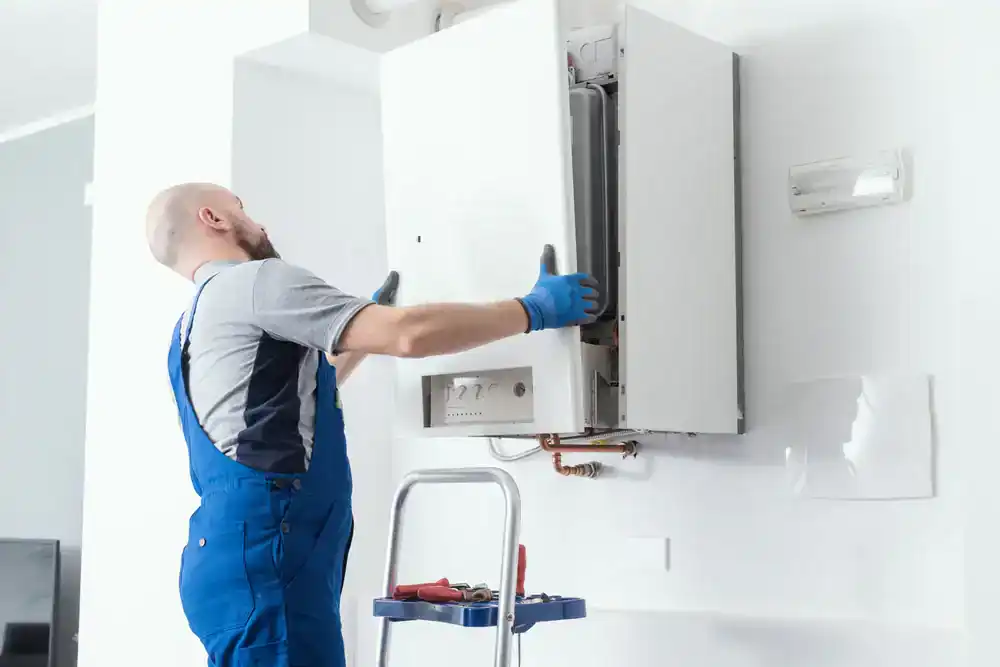
When you think of a boiler repair company, your mind probably jumps straight to a technician showing up in a van to fix a problem. While that’s a huge part of what they do, a truly professional team offers a much wider range of services designed to keep your home warm, safe, and efficient all year round. From emergency fixes in the dead of winter to proactive maintenance that saves you money, a good boiler company is your partner in home comfort. They handle everything from routine check-ups and complete system replacements to more specialized tasks you might not have even considered. Understanding the full scope of their work can help you know exactly who to call and when, ensuring your heating system is always in expert hands.
Handling 24/7 Emergency Repairs
There’s nothing worse than your boiler giving out during a freezing New Jersey night. When you have no heat or hot water, you can’t afford to wait until morning. This is where emergency services become essential. A reliable boiler repair company offers 24/7 emergency service to tackle urgent problems whenever they happen. Technicians are on call to quickly diagnose the issue, whether it’s a pilot light that won’t stay lit, a strange banging noise, or a complete system failure. Their goal is to get your heat and hot water running again as fast as possible, restoring comfort and safety to your home without delay.
Performing Routine Maintenance and Tune-Ups
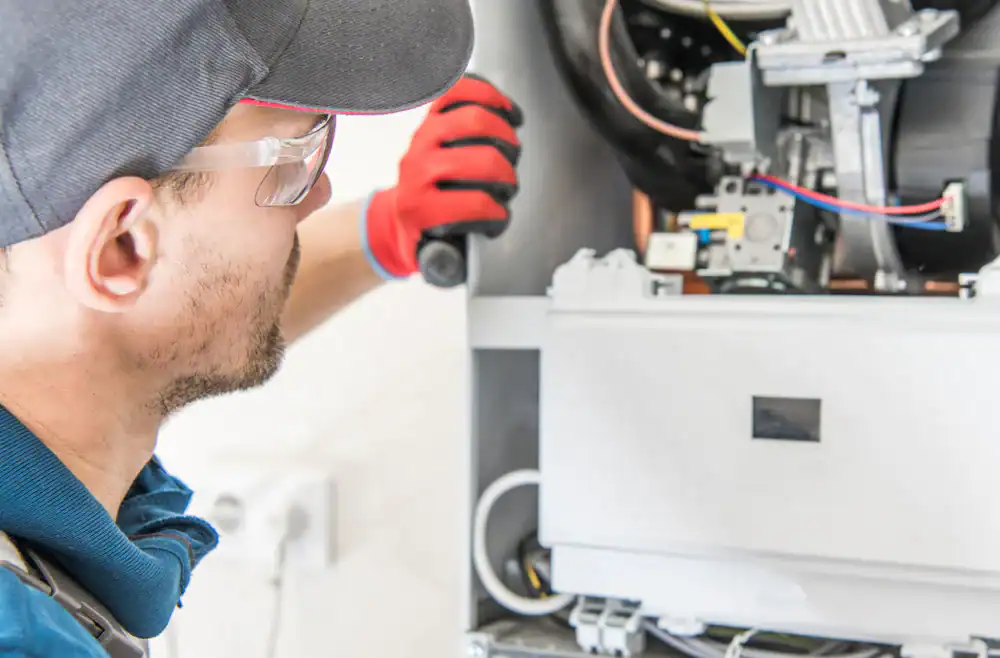
The best way to avoid those middle-of-the-night emergencies is with regular, preventative maintenance. Think of it as a wellness check for your boiler. During a tune-up, a technician will inspect, clean, and test all the critical components of your system to ensure everything is working efficiently and safely. This proactive approach helps catch small issues before they turn into major, expensive repairs. Many companies offer service plans, like a Home Comfort Membership Plan, which makes scheduling these annual check-ups simple and affordable. Regular maintenance not only extends the life of your boiler but also keeps it running at peak efficiency, which can help lower your energy bills.
Installing and Replacing Your Boiler
Whether you’re building a new home or your old boiler has finally reached the end of its life, a professional company handles the entire installation and replacement process. If your boiler is over 15 years old, needs frequent repairs, or just isn’t heating your home effectively anymore, it might be time for an upgrade. A qualified team can help you assess your needs and choose the right high-efficiency model for your space and budget. Proper heating installation is critical for performance and safety, ensuring all connections are secure and the system is calibrated to run perfectly from day one.
Managing Specialized Services and System Conversions
Beyond the basics, full-service boiler companies manage a variety of specialized tasks. This can include everything from burner service and water treatments to complex welding repairs and boiler tube replacements. If you’re looking to modernize your system, they can also handle projects like oil-to-gas conversions, which can offer greater efficiency and convenience. Having a team with this breadth of HVAC expertise means you have a single point of contact for any issue, simple or complex. It’s a sign that the company is equipped to handle the unique needs of your system, ensuring comprehensive care for one of your home’s most important investments.
Is Your Boiler Trying to Tell You Something?
Your boiler is the unsung hero of your home, quietly keeping you warm through chilly New Jersey winters. But when it starts acting up, it doesn’t exactly send a text message. Instead, it communicates through a series of subtle (and sometimes not-so-subtle) clues. Learning to recognize these signs can be the difference between a quick, affordable fix and a full-blown, no-heat emergency in the middle of January. Think of it as learning your home’s unique language. Paying attention to these warning signs means you can call in a professional before a minor issue becomes a major headache. When your boiler starts making strange noises or your energy bills creep up, it’s not just a quirk—it’s a call for help. Addressing these symptoms early ensures your home stays comfortable and your system runs efficiently and safely.
Listen for Strange Noises
If your boiler has suddenly developed a personality and started banging, whistling, or gurgling, it’s time to listen up. These sounds are more than just annoying background noise; they’re clear indicators that something is wrong inside the system. A loud banging sound, often called “kettling,” can point to a buildup of limescale on the heat exchanger, restricting water flow. Gurgling or whistling noises often mean there’s air trapped in the system or the water pressure is too low. While it might be tempting to just turn up the TV to drown it out, ignoring these sounds can lead to reduced efficiency and more significant damage down the line. A professional can diagnose the cause and get your system back to running quietly and smoothly.
Notice Inconsistent Heat or Performance Dips
Are you playing a constant game with your thermostat? If you find that some rooms are toasty while others feel like an icebox, your boiler is likely struggling to distribute heat evenly. This inconsistency is a classic sign of a problem. It could be anything from a failing pump or blocked pipes to sludge buildup in your radiators. An inefficient boiler doesn’t just leave you with cold spots; it also works harder to compensate, which drives up your energy costs. Don’t settle for uneven heating; consistent warmth is what your system is designed for. A professional inspection can pinpoint the source of the problem and restore balanced comfort throughout your home.
Watch for Spikes in Your Energy Bills
Your utility bills are one of the most reliable indicators of your boiler’s health. If you’ve noticed a sudden and unexplained jump in your heating costs, your boiler is probably the culprit. When a boiler loses efficiency due to age or an internal issue, it has to burn more fuel to produce the same amount of heat. It’s essentially working overtime just to keep up. This inefficiency hits you directly in the wallet. Instead of just accepting higher bills as a winter norm, treat them as a red flag. Investing in routine service, like what’s offered in a Home Comfort Membership Plan, can catch these inefficiencies early and keep your boiler running at peak performance.
Identify Unusual Odors or Safety Issues
This is the one sign you can’t afford to ignore. If you detect any strange smells coming from your boiler, especially a faint, sulfur-like or eggy odor, you could have a gas leak. This is a serious safety hazard that requires immediate action. Turn off your boiler and call a certified professional right away. Another invisible threat is carbon monoxide (CO), an odorless, colorless gas that can be produced by a malfunctioning boiler. Make sure you have working CO detectors in your home. Any sign of a leak, whether it’s a strange smell or water pooling around the unit, is your boiler’s most urgent warning. Your family’s safety is the top priority, so never hesitate to call for emergency service.
How to Choose the Right Boiler Repair Pro
Finding the right person to fix your boiler isn’t just about getting the heat back on. It’s about trusting someone with the safety and comfort of your home. A little research now can save you from major headaches and unexpected costs down the road. When your boiler acts up, you want a reliable pro who can diagnose the problem quickly and fix it correctly the first time. Here’s a straightforward guide to help you find a qualified and trustworthy boiler repair company in the Montclair area, ensuring you make a choice you feel good about.
Confirm They Are Licensed and Insured
This is the absolute first step, and it’s non-negotiable. A licensed technician has proven they have the training and knowledge to work on your system safely, meeting all state and local codes. Insurance is just as critical—it protects you and your home from liability in case of an accident or damage during the repair. Any reputable HVAC company will be upfront about their credentials and happy to provide proof. If a company is hesitant to share this information, consider it a major red flag and move on. Your peace of mind is worth it.
Check Customer Reviews and Local Reputation
Before you even pick up the phone, see what your neighbors are saying. Online reviews on sites like Google and Yelp are a great window into a company’s performance. Don’t just look at the star rating; read through the comments. Are customers consistently mentioning professionalism, punctuality, and fair pricing? A long history of positive feedback shows a company is dedicated to quality work and customer satisfaction. A strong local reputation is built one successful heating repair at a time, so let the experiences of others guide your decision.
Ask About Their Experience and Service Guarantees
How long has the company been in business? A team with years of experience has likely seen—and solved—every boiler issue imaginable, including yours. Experience builds expertise. Beyond that, ask directly about their service guarantees. Do they offer a warranty on their repair work and the parts they use? A company that stands behind its work with a solid guarantee is confident in its skills and the quality of its service. This is also a good time to ask about maintenance agreements, like a Home Comfort Membership Plan, which can prevent future issues.
Compare Emergency Response Times
When your boiler fails in the middle of a New Jersey winter, you don’t have time to wait. A key factor in your decision should be the company’s availability for emergency calls. Do they offer 24/7 service? What is their typical response time for urgent repairs in your neighborhood? You need a team that understands the urgency and is equipped to get to you quickly. A reliable company will have clear procedures for handling after-hours emergencies, ensuring you and your family aren’t left in the cold. When you need help fast, knowing you have a responsive local expert on your side makes all the difference.
Decoding Boiler Repair Costs
When your boiler stops working, one of the first questions that comes to mind is, “How much is this going to cost?” It’s a fair question, and while every situation is unique, understanding the potential costs can help you feel more prepared. The final price tag depends on what’s wrong, the parts needed, and the complexity of the job. Simple fixes like replacing a thermostat or pressure valve are on the lower end of the spectrum, while more involved repairs, such as replacing a heat exchanger or a circuit board, will naturally cost more.
Getting a clear, upfront quote from a trusted professional is the best way to know exactly what to expect. A reliable technician will diagnose the issue and explain the costs for both labor and parts before starting any work. This transparency ensures you can make an informed decision about your home’s heating system without any surprises.
A Breakdown of Common Repair Prices
It’s helpful to have a general idea of repair costs, though prices can vary. Minor repairs, like fixing a faulty pilot light or a leaking valve, might cost between $150 and $400. These are typically quick jobs that don’t require expensive components. However, if a major part has failed, the cost can increase significantly. For example, replacing a pump or a fan could run into the several hundreds, while a critical component failure might push the cost over a thousand dollars. Remember, these are just ballpark figures. The best approach is to get a specific quote based on a professional diagnosis of your system.
What Factors Influence the Final Bill?
So, what actually goes into that final number on your bill? The total cost is usually a combination of three main things: the technician’s labor, the price of any replacement parts, and a potential call-out fee. The complexity of the repair plays a big role—a simple part swap is much faster than a repair that requires dismantling parts of the boiler. The age and brand of your boiler can also affect the price, as parts for older or less common models can be harder to find and more expensive. Hiring a certified HVAC company ensures you have a skilled technician who can work efficiently and correctly diagnose the problem the first time.
Repair vs. Replace: Making the Smart Financial Choice
At some point, you might face the classic dilemma: is it better to repair your old boiler or invest in a new one? A good rule of thumb is the 50% rule. If a repair quote is half or more of the cost of a brand-new boiler, it’s usually smarter to replace it. You should also consider replacement if your boiler is over 10 years old and breaks down frequently. Constant repairs add up, and a new, high-efficiency model can save you money on energy bills in the long run. A preventative maintenance plan, like a Home Comfort Membership Plan, can also extend your boiler’s life and help you avoid this tough decision for as long as possible.
Red Flags to Avoid When Hiring a Company
When your boiler acts up, your first instinct is to find someone to fix it—fast. But choosing the right company is just as important as the repair itself. The wrong choice can lead to more problems, inflated costs, and a lot of stress. A great boiler repair company will be transparent, professional, and respectful of your home and your time. Knowing what to watch out for can help you sidestep unreliable contractors and find a team you can trust for the long haul.
Spotting red flags early saves you from a bad experience. From pushy sales tactics to suspiciously low prices, the warning signs are often there if you know what to look for. A trustworthy company will make you feel confident in your decision, not pressured or confused. Keep an eye out for these common issues to ensure your heating system is in capable hands and that you’re making a sound investment in your home’s comfort and safety.
High-Pressure Sales Tactics
If a technician immediately pushes for a full system replacement without a thorough diagnosis, take a step back. High-pressure tactics are a major red flag. You should never feel rushed into making an expensive decision on the spot. A true professional will explain the problem clearly, outline your options, and give you the space to consider them. A reputable company is confident in the quality of its work and will provide a warranty. They focus on finding the right solution for you, not just making the biggest possible sale.
Quotes That Seem Too Good to Be True
We all love a good deal, but an unusually low quote for boiler repair should make you pause. If a price seems drastically lower than competitors’, it could be a sign that the company is cutting corners. This might mean they use low-quality parts, employ inexperienced technicians, or plan to add hidden fees to your bill later. Always ask for a detailed, itemized quote in writing. A trustworthy company will have clear, transparent pricing and will be happy to explain every charge so you know exactly what you’re paying for.
A Lack of Proper Credentials
Never hire a company that can’t prove it is licensed and insured. These credentials are non-negotiable, as they protect you from liability in case of accidents or property damage. Qualified technicians should also hold valid certifications, which demonstrate they are trained on the latest industry standards for safety and efficiency. Don’t just take their word for it—ask to see their credentials. A professional HVAC company will readily provide this information because they are proud of their qualifications and commitment to quality work.
Vague Answers and Unclear Timelines
When you ask what’s wrong with your boiler, you deserve a clear, straightforward answer. If a technician is evasive, uses a lot of technical jargon without explaining it, or can’t give you a clear timeline for the repair, be wary. Strong communication is a key trait of a reliable company. They should be able to explain the issue and the repair plan in terms you can understand. A company that offers comprehensive services, like a Home Comfort Membership Plan, demonstrates a commitment to clear, ongoing communication and customer care.
Why Regular Maintenance Is Your Best Investment
It’s easy to forget about your boiler until it stops working—usually on the coldest day of the year. But waiting for a problem to happen is a recipe for stress and expensive emergency calls. The smartest approach is to treat boiler maintenance as a proactive investment in your home’s comfort and safety. Regular tune-ups keep your system running smoothly, prevent unexpected breakdowns, and can save you a significant amount of money over time. Think of it less as a chore and more as a way to protect one of your home’s most important appliances.
The Value of an Annual Inspection
One of the biggest myths about boilers is that they don’t need attention if they seem to be working fine. An annual inspection is your first line of defense against major issues. During a tune-up, a technician cleans and inspects all the critical components, ensuring everything is operating safely and efficiently. This regular service helps prevent costly breakdowns and can extend the life of your boiler. Plus, many manufacturers require proof of annual maintenance to keep your warranty valid. Scheduling yearly heating services is a simple step that protects your investment and gives you peace of mind all winter long.
Catching Small Problems Before They Grow
Ignoring your boiler until something goes wrong is like skipping your car’s oil changes. Small, unseen issues can quickly snowball into catastrophic failures. A tiny leak, a bit of sediment buildup, or a worn-out part might not seem like a big deal, but they can put a strain on the entire system. During a maintenance visit, a trained technician can spot these little problems and fix them before they cause a full-blown breakdown. This is why a service plan like our Home Comfort Membership Plan is so valuable—it makes proactive care easy and helps you avoid the headache of a system failure when you need it most.
Improving Efficiency and Extending Your Boiler’s Life
A well-maintained boiler is an efficient boiler. Over time, parts can wear down and sediment can build up, forcing your system to work harder and use more fuel to heat your home. An annual tune-up ensures your boiler runs at peak efficiency, which translates directly to lower energy bills. This consistent care also helps your boiler last longer, pushing back the need for a costly replacement. By having qualified technicians perform regular maintenance, you ensure your system delivers the reliable performance you expect, year after year. It’s the best way to get the most out of your home’s heating system.
Related Articles
Frequently Asked Questions
How often should I really have my boiler serviced? Think of it like an annual physical for your heating system. Getting your boiler professionally inspected and tuned up once a year is the best way to keep it running safely and efficiently. This yearly check-up helps catch small issues before they become major emergencies, extends the life of your unit, and can even help keep your energy bills in check.
My boiler is making a banging sound. Should I be worried? You should definitely pay attention to it. Strange noises like banging, whistling, or gurgling are your boiler’s way of telling you something isn’t right. A banging sound, for instance, often points to a mineral buildup that’s causing water to boil and steam unexpectedly. While it might not be an immediate crisis, ignoring it can lead to bigger problems and less efficient heating, so it’s wise to have a professional diagnose the cause.
How do I know if it’s time to replace my boiler instead of just repairing it? This is a common dilemma, and it often comes down to simple math. A good guideline is to consider replacement if a repair costs 50% or more than a new unit. Also, if your boiler is over 15 years old and needs frequent, costly repairs, investing in a new, high-efficiency model will likely save you more money and stress in the long run.
What’s the single most important thing to check before hiring a repair company? Before you look at anything else, confirm that the company is fully licensed and insured. This is your assurance that their technicians are properly trained to work safely on your system and that you are protected from any liability if an accident happens on your property. Any reputable company will be upfront with this information.
What should I do if I smell a strange, rotten-egg odor near my boiler? This is a serious safety concern that requires immediate action. That distinct smell could indicate a natural gas leak. If you detect it, do not turn any lights on or off. Immediately turn off your boiler, leave your home, and call your gas company or a 24/7 emergency HVAC service from a safe distance.
Article details:
- Published by:
- Adriatic Aire LLC
- Published to:
- Last modified:
- January 21, 2026
Share:
Continue learning: